NASA Artemis and CLPS lunar mission updates minus the PR fluff, as all things should be
Moon Monday #296
Artemis updates
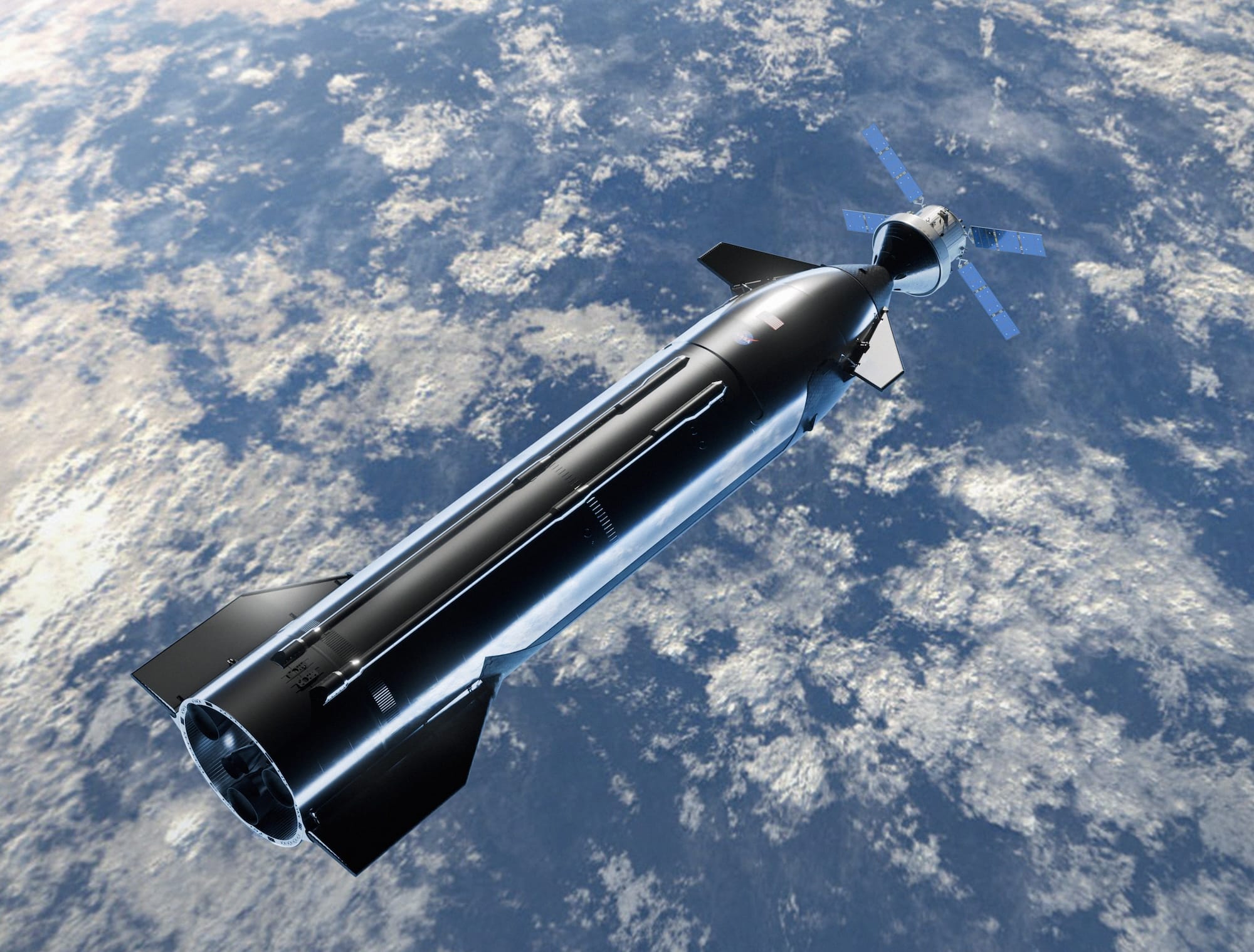
- On September 14, SpaceX’s Starship Super Heavy rocket reached orbit for the first time, seven years later than originally touted, continuing its slow progress in building a Lunar Starship ready to land Artemis astronauts on the Moon for NASA. As Marcia Smith reported, the orbital flight was shorter than planned but SpaceX did manage to achieve the primary goal of deploying 26 Starlink satellites in low Earth orbit. The flight does make some headway into Starship’s flight part of Artemis III, an upcoming test mission in Earth orbit before NASA attempts to land astronauts on the Moon with Artemis IV. Even there though, SpaceX’s lapses against their own promised timelines unfortunately continue since the Starship lander prototype will not fly with an environmental control and life support system. Going from there to landing humans on the Moon in six months is impossible.
- Hardware preparations for Artemis III continue. NASA contracted SpaceX to downlink 4K imagery and video during the mission. To do so, SpaceX and NASA will utilize Starlink’s laser system by installing two terminal units on the crewed Orion spacecraft. In the meanwhile, technicians working for NASA connected Orion’s crew and service modules for the mission and tested said integration. Training for the four-person crew has also begun.
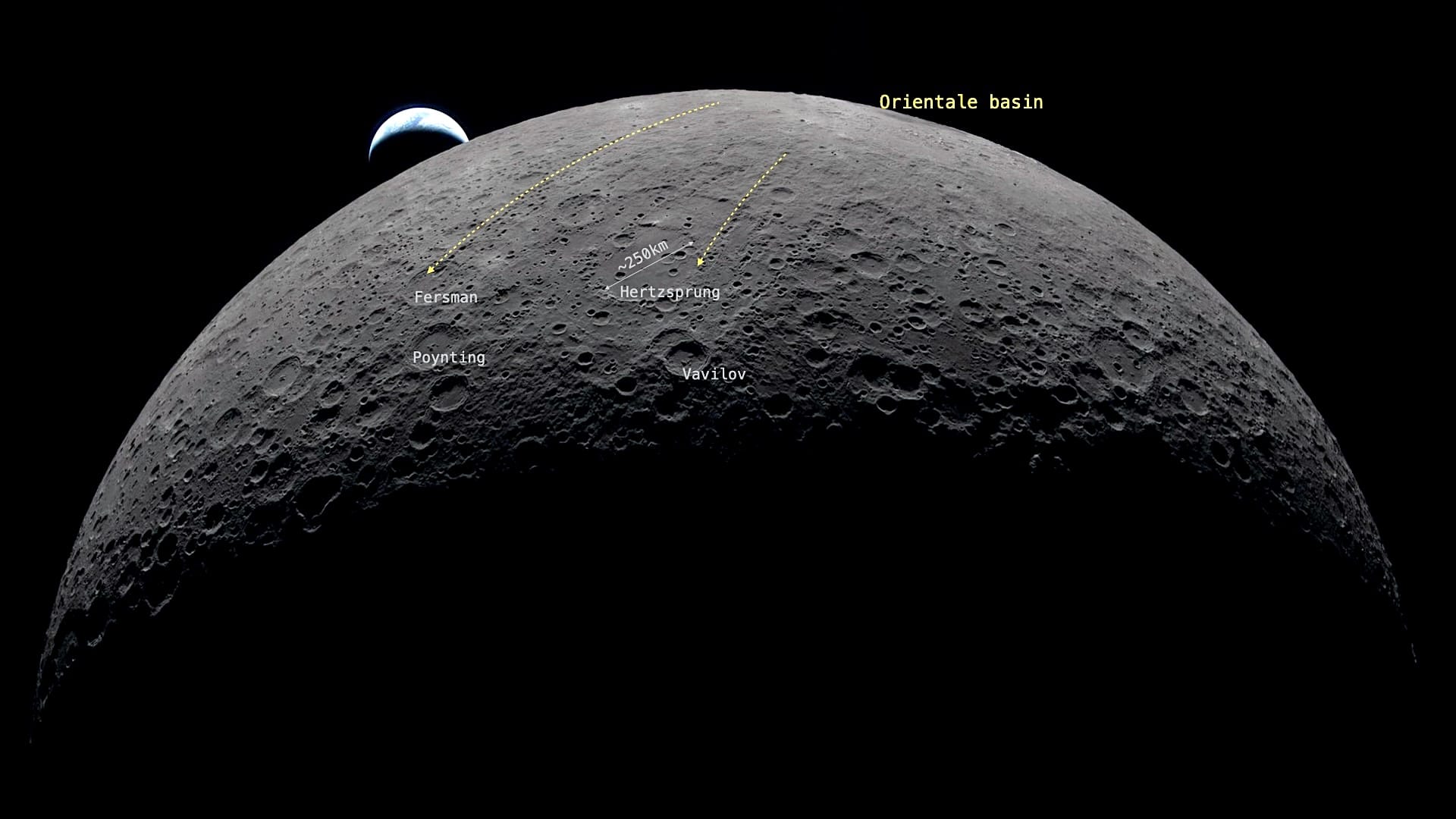
- NASA released a whole set of data from April’s Artemis II lunar flyby mission, including high-resolution images and astronaut audio, a preliminary report, and more. NASA continues to call Artemis II a lunar science mission, which is not true, a distinction important for not undermining the value of and budgeting for true science missions.
- On a connected note: NASA has called Artemis II a “global cultural moment”. The mission was certainly inspirational to many but being truly global and becoming a moment are different things altogether. Also, numbers put in context by The Planetary Society show that Artemis II was less popular than expected, assumed, or touted even in the US.
Google search trends for Artemis II are about as fleeting. On April 7 — the day after the mission’s crew flew around the farside of the Moon — the Masters Tournament held more search interest, despite not actually beginning for another two days. The tournament would go on to be more popular on Google overall.
- First reported by Ars Technica and later confirmed by NASA administrator Jared Isaacman in an internal memo to employees, the agency has decided to use a simpler version of the Axiom-Space-provided AxEMU spacesuit for Artemis IV lunar surface mission. The development of this ‘Sortie Suit’ with relaxed requirements is intended to accelerate the developmental pace against constantly slipping timelines for the lunar suit.
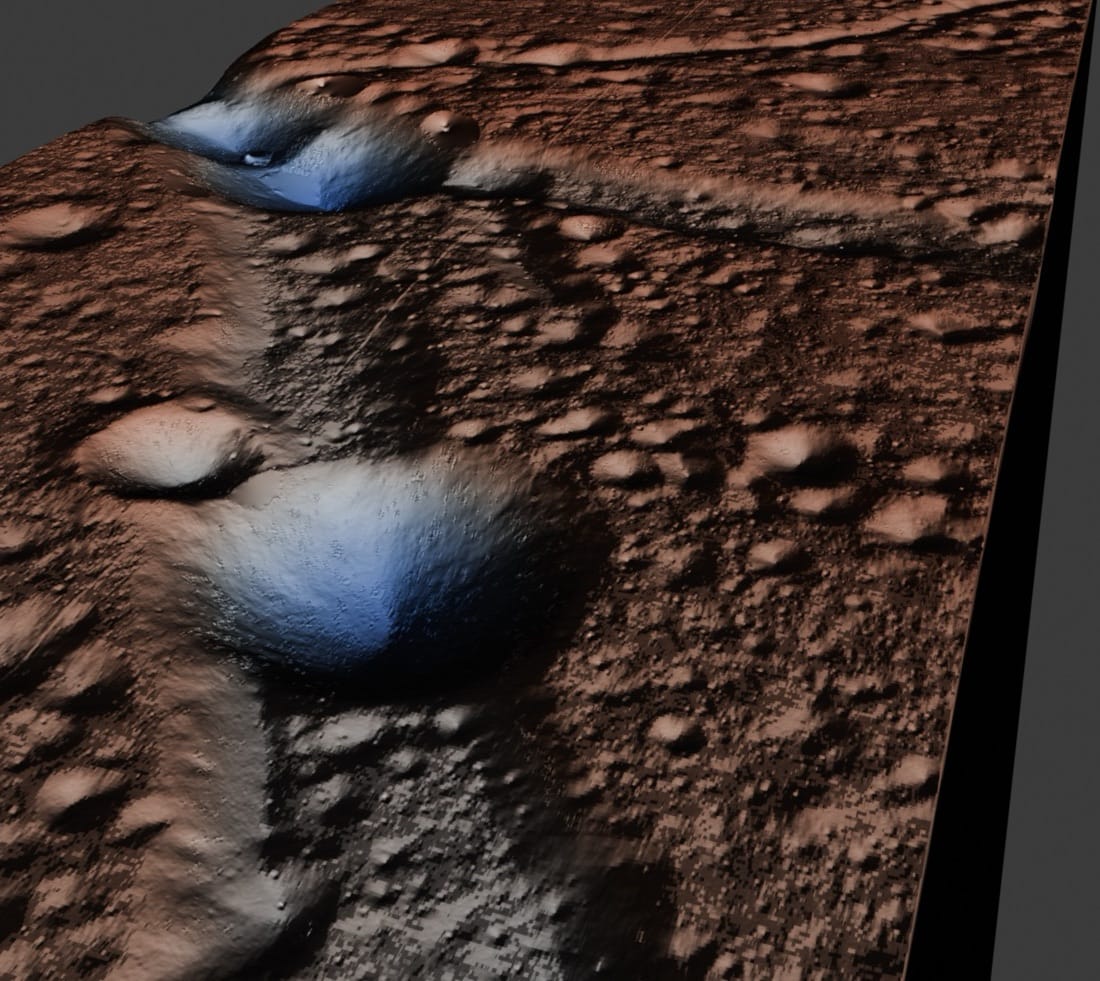
- The University of Münster, German Space Agency, NASA, and Intuitive Machines are collaborating to develop an automated pipeline for generating 3D lunar mapping products from high-resolution imagery taken by NASA’s Lunar Reconnaissance Orbiter (LRO). This is useful for advanced mission planning, such as for selecting safe landing regions and optimal surface traverses.
- ESA’s latest round of its Pangaea campaign to train astronauts in geology again has one NASA astronaut onboard, Jasmin Moghbeli.
- The US-led Artemis Accords, presented as a non-binding avenue of cooperative lunar exploration, now has over 75 signee nations, with Djibouti, Albania, Croatia, Côte d’Ivoire, and San Marino being the newest signatories. In the meanwhile, NASA’s administrator asked international partners to only provide “good deals” while the agency itself cancelled the NASA-led Gateway international lunar habitat earlier this year wherein partners had not just significant but fundamental contributions. Also, the US President recently claimed the Moon to be American territory, which went completely unreported much less critiqued by many western space and technology media outlets who otherwise pounce to cover equivalent statements by officials on the other side of the world. Between statements like these and Gateway’s cancellation, it’s never been more clear that the Artemis Accords unfortunately has little to no bearing on preserving—much less flourishing—international partnerships in the Artemis program.
CLPS updates
- Considering the roughly yearly launch cadence intended for Firefly’s upcoming Moon landing missions part of NASA’s CLPS program—Blue Ghost the second, third, fourth, and fifth—as well as the company’s desire for more landing contracts as part of NASA’s Moonbase plans, Firefly completed building a new cleanroom facility which is four times larger than the one used to assemble the first Blue Ghost lander, which last year successfully soft landed on the Moon for the US this century.
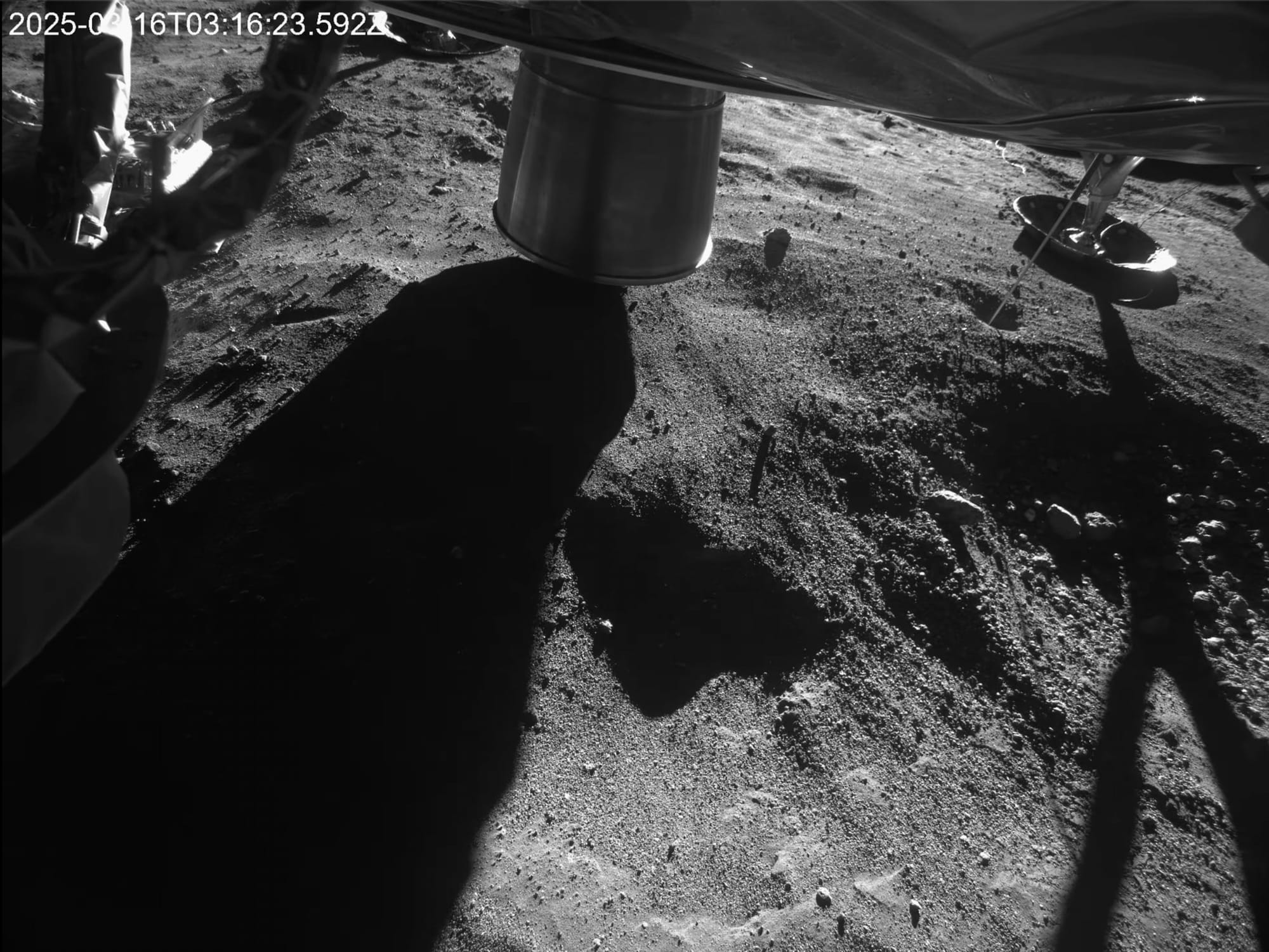
- Relatedly, NASA’s retroreflector payload mounted on Firefly’s first Blue Ghost CLPS lunar lander was used to successfully reflect laser signals by multiple ranging observatories in Europe and the US. In the future, having multiple retroreflectors on the surface can aid navigation for orbital and incoming surface spacecraft. Also, data from Blue Ghost’s SCALPSS payload which imaged surface dust kickup and disturbances caused by the lander’s engine plumes has been put up on NASA’s Planetary Data System archive. Simeon Schmauß made a cool timelapse video of the lunar surface view of SCALPSS from beneath the lander.
- NASA selected three more science instruments to be delivered to different, payload-relevant areas on the Moon on as-yet-unspecified CLPS landers.
- NASA announced a $38 million contract to Modulate Space Cooperation for demonstrating lunar surface 5G and WiFi-6 communications by 2028. The release doesn’t mention any lander but a CLPS delivery seems likely. The agency is also continuing to fund other lunar engineering projects, such as research on plastic made from lunar soil simulants and terrestrial bacteria and better electrical grounding for future astronauts near landers.
More Moon
- Other recent Moon mission briefings
- Lunar conferences I will be at:
- Thailand will host the 10th Global Moon Village Workshop & Symposium in the last week of October. Right after it takes place the Thailand Space Expo.
- China is once again hosting a symposium on lunar sample research at the University of Hong Kong in November 3rd week, with the location being selected to enable ease of access for international participants like the last time. Last year’s symposium saw an amazing set of lunar science updates. I’m excited to see and cover what’s in store this time.
- Are you or your friends or colleagues planning to attend any of these conferences? If so, let’s meet and chat all things space and science. Please write to me.
Many thanks to Open Lunar Foundation and Dany Waller for sponsoring Moon Monday. If you too appreciate my efforts to bring you this curated community resource on global lunar exploration for free, and without ads, kindly support my independent writing as it’s purely reader-funded. I don’t use AI to write a single word and cite everything.