Ignition, not yet liftoff, of NASA’s ambitious Artemis Moonbase plan | Moon Monday #268
Plus: NASA in final prep to launch Artemis II astronauts around Luna.


Through an event named Ignition, last week NASA announced several details and more intentions on top of its recent Artemis restructuring meant to accelerate landing US astronauts on the Moon by unveiling revised plans for building a $30 billion+, multi-element Moonbase within a decade similar to what China is planning with its upcoming International Lunar Research Station (ILRS). Here’s a one-stop explainer and list of all known announcements and statements, or non-statements, along with linked citations as always. For full context, I’m also roping in related updates from this month by some companies and NASA.
Nuking the Gateway
- The NASA-led Gateway orbital habitat program is now on “pause”. Albeit NASA also said that Gateway’s power and propulsion module will be repurposed to be sent to Mars. This new mission, called Space Reactor-1 (SR-1) Freedom, will demonstrate NASA’s nuclear-electric propulsion engine in space. The agency is targeting the Earth-Mars launch window of late 2028 for SR-1. As such, SR-1 effectively kills the Gateway as originally planned. After SR-1, NASA’s next nuclear themed launch will a fission reactor heading to the Moon called Lunar Reactor-1 (LR-1). NASA hopes to operate LR-1 by 2030 as an alternative to solar power to tackle the extreme lighting conditions on the lunar south pole.
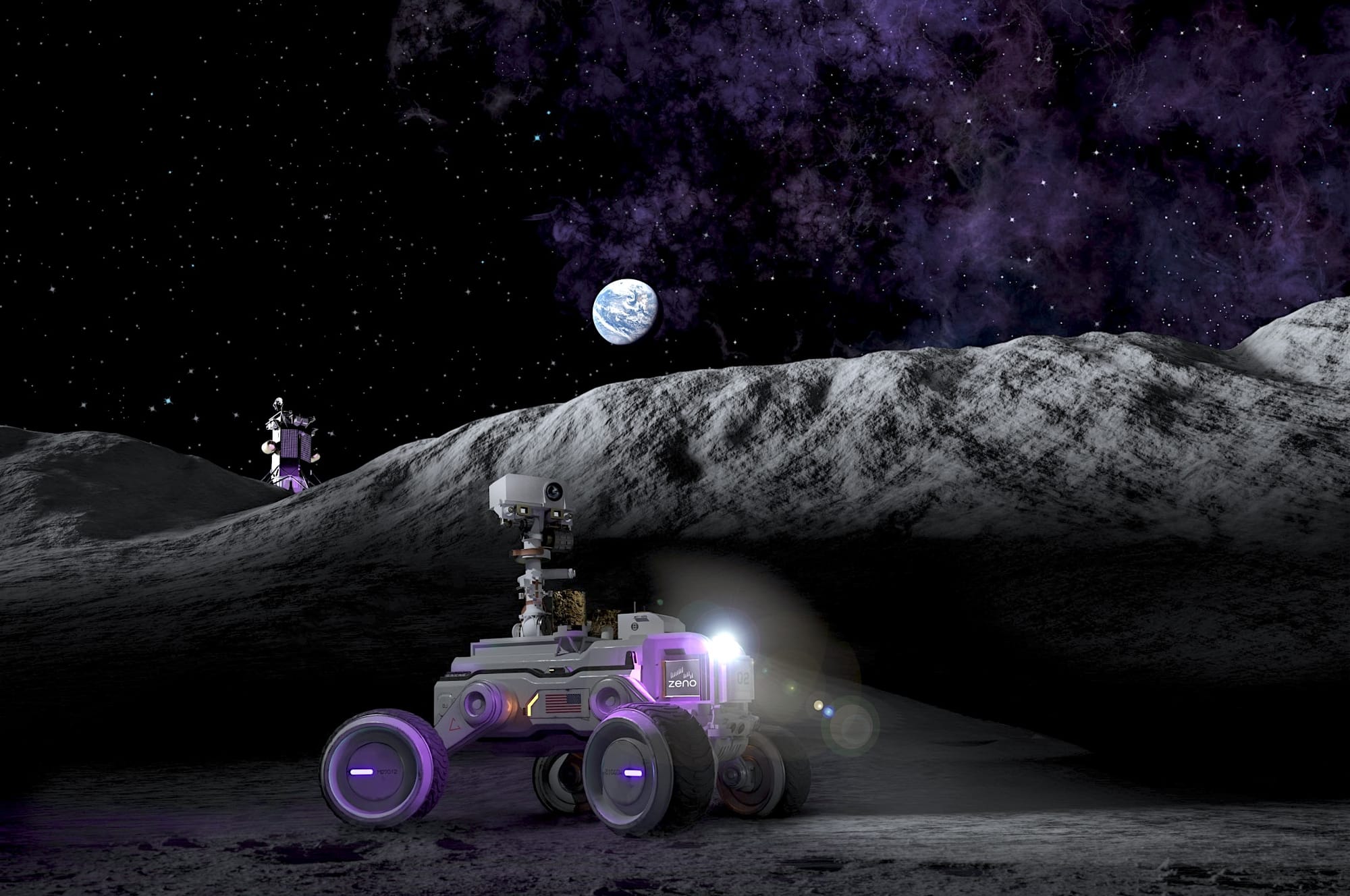
- This move comes after NASA un-nuked its decision to not use nuclear power on the Moon last year. Relatedly, Zeno Power raised $50 million last year, a major chunk of which it said will go towards developing and demonstrating the company’s nuclear electric power system on the Moon for NASA by 2027. Expect the company to position itself as a provider.
Removing external blockers for crewed landers
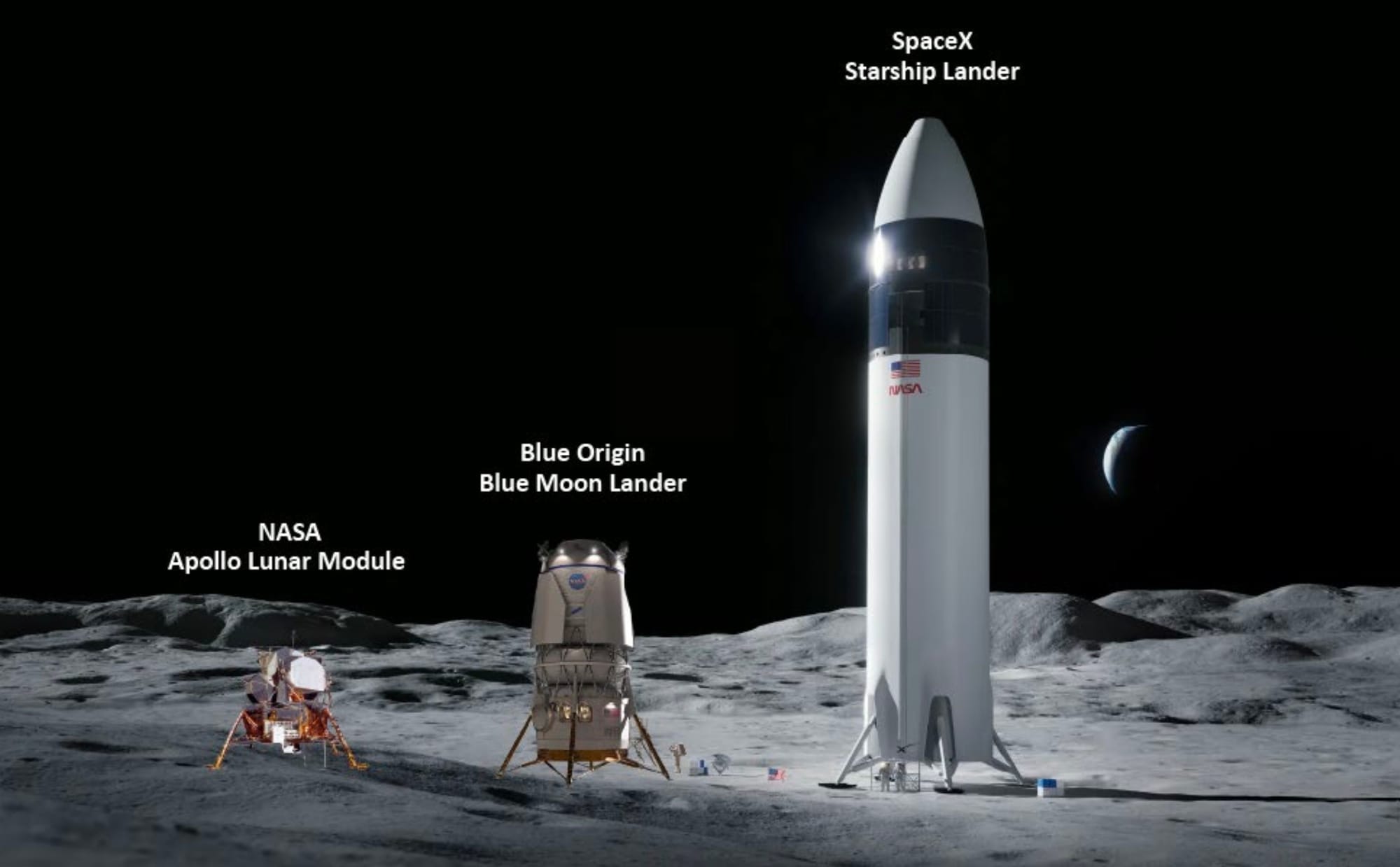
- The Gateway being gone removes the requirement for in-development crewed Artemis landers being made by SpaceX and Blue Origin to orbit the Moon in Gateway’s specific NRHO orbit, allowing them to dock with the crew-hosting Orion spacecraft in other potentially feasible shared orbits. Relatedly, Marcia Smith reported that to avoid additional delays, NASA is considering the first Artemis landing to not be amid the treacherous terrain of the Moon’s south pole and be more equator-ward. These two updates aimed at removing blockers for the lander providers are a follow-up to NASA’s recently announced Artemis rejig to accelerate landing Artemis astronauts on the Moon as the US aims to beat China is a self-defined race. The changes ease a few things. For example, targeting a non-polar landing improves safety from a terrain perspective while also enhancing communications and power availability.
- However, the relaxation of these few requirements by themselves don’t solve the majority of the challenges and delays faced by SpaceX and Blue Origin. The bulk of the work still rests on the two companies to independently tackle and solve, including cracking the code for fast enough in-space refueling needed to achieve their respective crewed landings. NASA’s Office of Inspector General (OIG), which formally functions as an agency watchdog, released a scathing report on March 10 pointing out the various shortcomings and risks in the crewed lunar landing systems. Notably, both companies are targeting insufficient robotic landing demonstrations prior to carrying crew. The OIG pointed out that neither of them simulate the full-scale mission profile of the crewed flights, and so even if NASA has successful robotic missions on both fronts, that would still not cover the full envelopes of the first SpaceX and Blue lunar landings with astronauts. According to the OIG, Lunar Starship in particular also enhances crew risks with the lack of sufficient manual control options, the stability of its large body during touchdown, and its high elevator. Another formal NASA review body, the Aerospace Safety Advisory Panel (ASAP), also noted the following in its 2025 report:
The development and test progress necessary for a version of Starship that has not yet flown in time to support a human lunar landing mission within the next few years appears daunting and, to the Panel, probably not achievable. Beyond this, the physics of landing a six-to-one height-to-width ratio vehicle on the uneven, poorly lit polar lunar surface seems questionable at best.
- Interestingly, NASA also said during Ignition that it intends to have more than two crewed lunar landing providers in the future, going beyond the existing selection of SpaceX and Blue Origin, with the eventual aim of collectively having a Moon landing every six months one way or another.
A new Moonbase plan
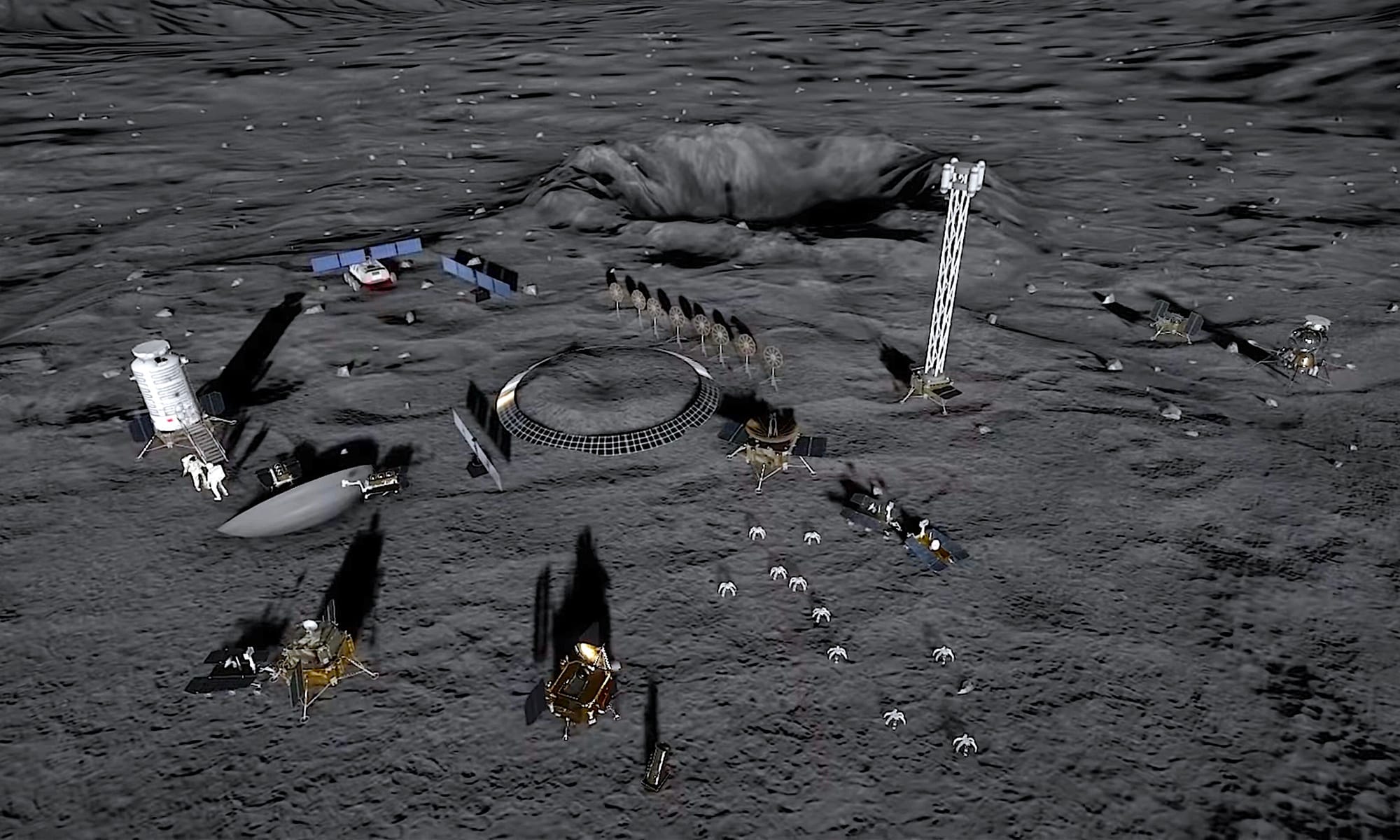
- The people who have been working on Gateway at NASA are being pivoted to focus on building a base on the Moon’s surface wherever possible. Starting in 2027, NASA wants to accelerate the CLPS program and have 10 lunar landing attempts every year, with the aim of using the program to establish and aggregate various base infrastructure elements on the Moon. So far there have been only four CLPS landing attempts since the program’s inception over seven years ago. The mission outcomes have been a mixed bag, with only one from Firefly being wholly successful. These CLPS craft were small sized with limited cargo capacities but NASA wants the sizes and masses to grow rapidly over the next 5–10 years. In the 2030s, NASA wants to be able to leverage large cargo craft which can help sustain long duration crewed or crew-robotic missions at the Artemis Moonbase by delivering the high mass and volume of necessary hardware. The bulk of the surface mobility required to build and maintain complex infrastructure using this hardware is being planned to be carried through large rovers like the Artemis Lunar Terrain Vehicle (LTV) and the in-development advanced pressurized rover to be provided by JAXA.
- At its peak, NASA plans for its Moonbase to support four astronauts for a month long stay. It will also have some capabilities to utilize local lunar resources extracted from lunar soil such as water ice, and undertake basic local construction. This is something China already aims to start demonstrating with the upcoming Chang’e 8 Moon landing mission in 2028, and then advance and feed it into the ILRS Moonbase through 2030–35.
Community
- Not specified in NASA’s flurry of announcements was the effect of Gateway’s effective killing on international space agency partners like ESA, CSA, and JAXA who have put significant investments in the Gateway, trading them for astronaut seats on Artemis missions. Not all of these investments can translate to a surface base, certainly not without added money and schedule costs. In any case, NASA did not specify either the Gateway effects on international partners or their new roles beyond already previously agreed upon surface hardware missions. It’s another example of the US-led Artemis Accords having practically no bearing on the real nature of international lunar partnerships in the Artemis program. Marcia Smith captured the dynamic of the non-announcement well:
[NASA Administrator] Isaacman said he has a “no surprises” philosophy and has had many discussions with [the US] industry and Congress in the three months he’s been in office. Less clear is how much notice the international partners had. ESA Director General Josef Aschbacher said last Thursday that he hadn’t been briefed on the plans at that point. ESA posted a new Gateway “blueprint” just last week. Isaacman and others stressed the importance of international partners in NASA missions, but exactly what role they will play in this new lunar vision is unclear.
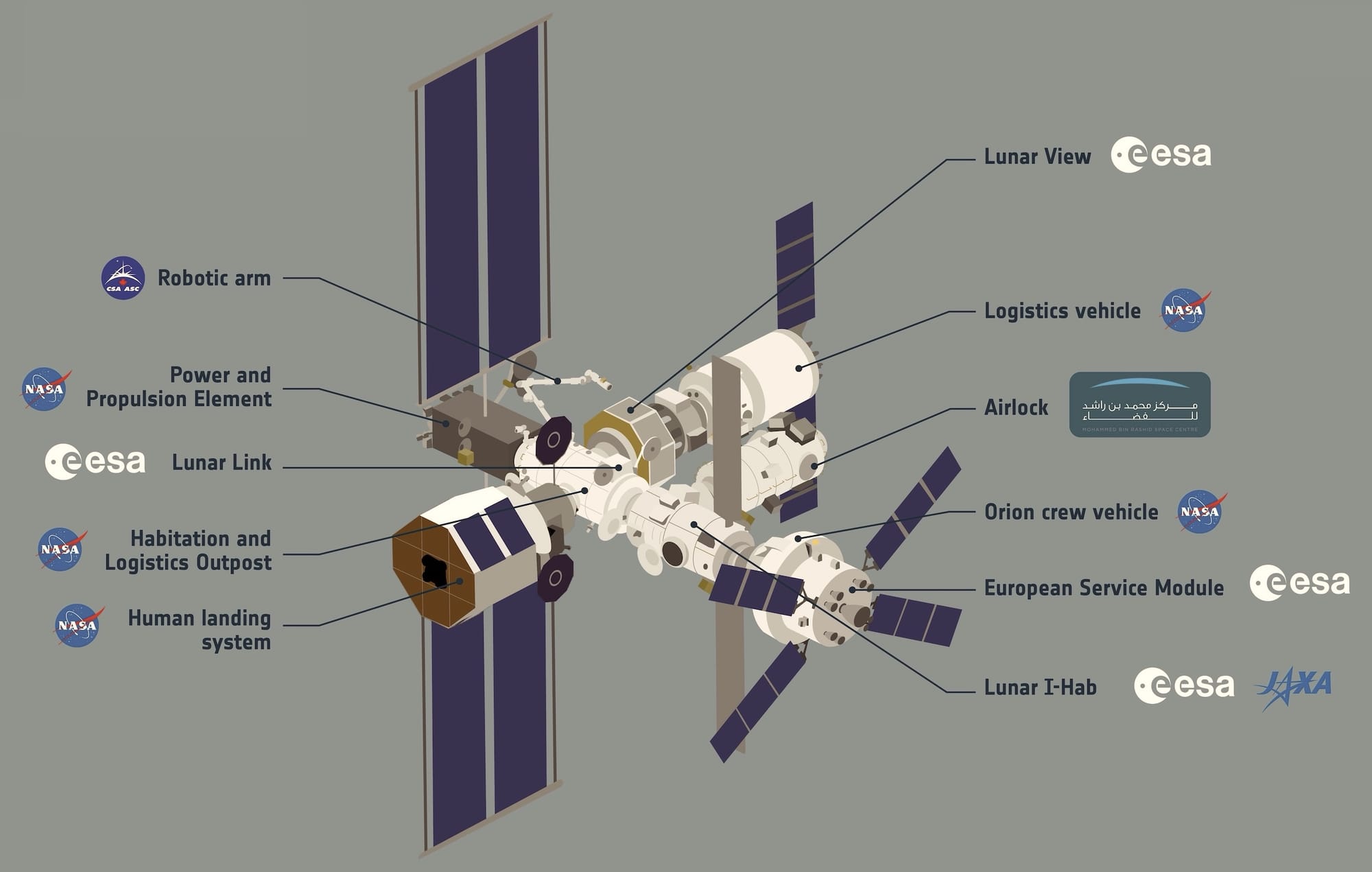
- NASA also wants to have two navigation and communications (navcom) satellite constellations at the Moon instead of one so as to better support the increased pace and scale of crewed and robotic missions. Through navcom service providers, the agency would first attempt to replicate China’s capabilities in this space, which has already demonstrated all major elements of a lunar navcom network and is well along the process of making a full scale network by 2035.
- NASA selected 10 more participating scientists to complement the existing teams handling Artemis lunar surface science, geology studies, instruments, and the overall scientific operations. This move will further optimize the scientific survey, characterization, and picking up of samples during the Artemis IV and V surface missions, and the resulting processes will be fed into future missions as well as Moonbase operations.
- NASA released a new Request for Information (RFI) primarily aimed at academia and industry for them to propose payloads that could be sent on any of the missions building up to the Artemis Moonbase. The payload proposals should be in line with the agency’s Moon to Mars objectives or technology & data gaps, or civil space technology shortfalls at large. There’s an interesting note in the RFI regarding global data sharing of planned lunar activities (emphasis mine):
This RFI requests potential payload details that can be provided to NASA as well as potentially shared globally via an opt-in approach to a public Lunar Payload Database, to encourage broader interconnections in the growing lunar economy, connecting payload teams, funders, and CLPS delivery providers, among others. Payloads purchasing slots for delivery from the Moon directly from CLPS companies is strongly encouraged.
- This is a good start. However, it would be even better if entities share technical and scientific information from active missions both on the surface and in orbit so that mission outcomes can be compounded. Increased competition for contracts to deliver and manage elements of the Artemis Moonbase could instead mean more walled off approaches, which don’t carry the momentum forward into the ecosystem as effectively unlike China’s case where all lunar mission information is shared nationally.
In the company of
- NASA also awarded Intuitive Machines a $180.4 million contract to deliver seven payloads to the Moon’s south pole at Mons Malapert in 2030. This includes Australia’s first lunar rover called Roo-ver as part of a US-Aussie partnership. This CLPS Moon landing contract is Intuitive’s fifth. Unlike the first four missions which have been attempted or will be attempted by the company’s small-sized lander ‘Nova-C’, the fifth mission will use the larger cargo lander ‘Nova-D’. However, the aforementioned payloads weigh only 75 kilograms, something even Nova-C could carry. As such, Intuitive will have to fill up the rest of the large lander payload space by finding more customers. I assume this flight will include at least one lunar navcom orbiter from the company itself as it tries to build its service around the capability.
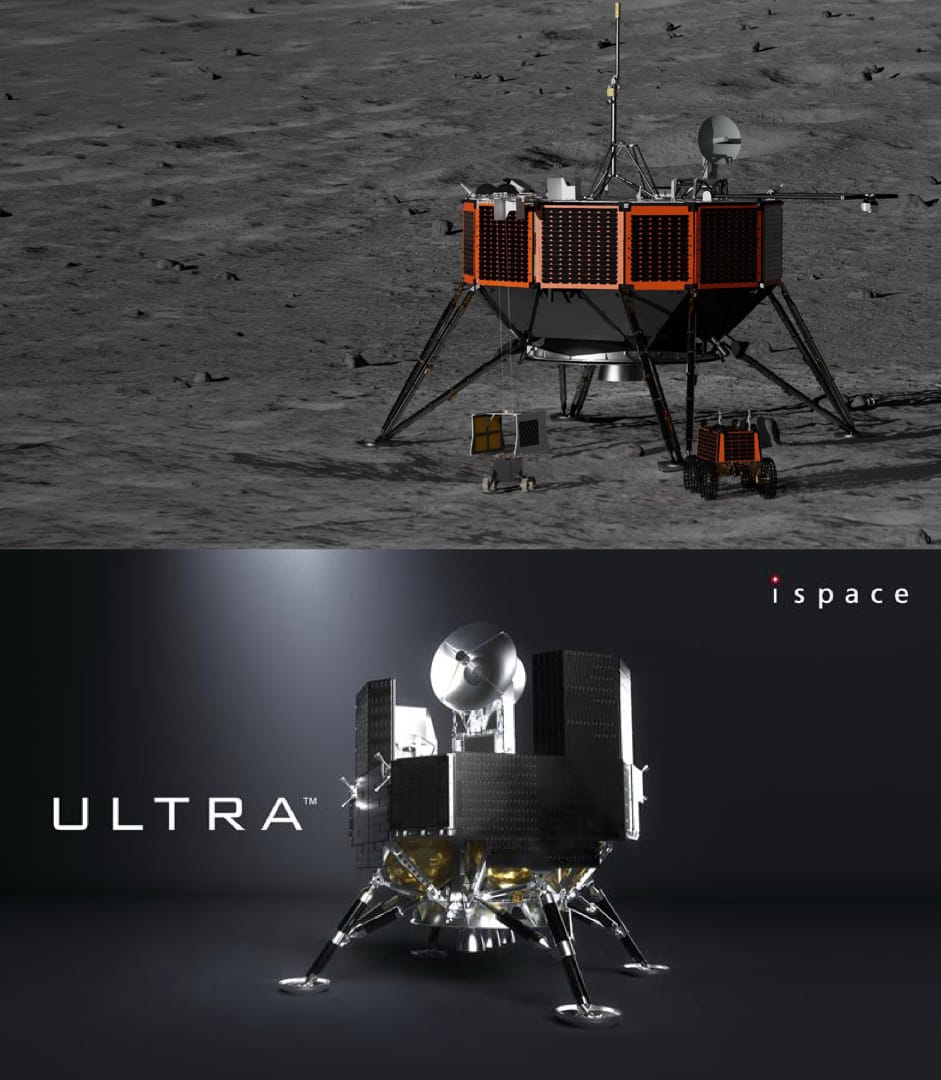
- ispace Japan’s US subsidiary’s first NASA CLPS mission through Draper Technologies has been delayed from 2027 to 2030. ispace said the company is fusing the development of the two large cargo landers its US and Japanese units were mostly developing mostly separately into a single lander called ULTRA. ispace intends to have yearly flights of this lander from 2028, with the lunar farside landing for the CLPS mission coming in 2030 to prioritize robustness. Unlike the small-sized Hakuto-R lander ispace attempted two Moon landings with in 2023 and 2025 respectively, the ULTRA lander is medium-lift, the same class as the aforementioned Nova-D by Intuitive Machines.
- ispace and US-based Argo Corp announced that the duo aim to deploy at least five lunar satellites by 2030 to provide lunar communications, navigation, and imaging as a service. These satellites will in part rely on Japan-based ground station provider KDDI’s terrestrial communications network. The first satellite is aimed to be launched in 2027.
The tough road ahead
China, which clinched yet another timely milestone last month in its quest to land humans on Luna by 2030, and shared detailed papers of its architecture, is the key catalyst for these lofty Artemis goals and renewed focus of NASA on the Moon. Not only has China had more advances at Luna recently but it also touts a faster execution of its own crewed landing goal. NASA Administrator Jared Isaacman had said the following during the Artemis rejig:
With credible competition from our greatest geopolitical adversary increasing by the day, we need to move faster, eliminate delays, and achieve our objectives.
This theme recurred during Ignition. As noted by Isaacman in an email letter sent to NASA employees, the aim of the flurry of announcements is also to signal this desire for high mission cadence and large scale activity as demands to the US space industry so that the latter can reorganize, invest, and operate accordingly. Isaacman stressed repeatedly that NASA will embed its talent and expertise across the US space industry to increase the chances of successes for these dozens of upcoming lunar missions and goals. From Isaacman’s said letter:
Few disagree with the direction we are taking, but many question the achievability. There is a belief among some that NASA has drifted so far from its best days that we can no longer undertake big, bold endeavors and deliver on them. That is why we must take ownership of the outcomes. We will not sit on our hands and hope industry saves the day. NASA will assign subject matter experts to every program supporting the National Space Policy, from returning to the Moon to building a lunar base. We will work alongside every vendor, attached to every component on the critical path and down to the subcontractor level.
There is also an extended tone of high expectation of returns to this approach, which Eric Berger has captured in his report:
The space agency is prepared to do everything it can to help its contractors succeed, from embedding subject matter experts to relaxing requirements. But the time for excuses is coming to an end, he [Isaacman] said. “We are not going to sit idly by while schedules slip or budgets are exceeded,” he said. “Expect uncomfortable action if that is what it takes. Because the public has invested $100 billion and has been very patient with America’s return to the Moon. Expectations are rightfully very high. Taxpayers and their representatives in Congress should demand accountability from every leader and every CEO if those expectations are not met.”
It will be interesting to see if this demanding hand manifests for SpaceX’s Lunar Starship in particular if the company continues to lapse on its promised development timelines. Over and above the aforementioned issues with the Artemis crewed landers, we still don’t know what the accelerated Lunar Starship proposal actually looks like. Neither NASA nor SpaceX & Blue Origin have shared firm launch targets for their uncrewed lunar landing demonstrations. Without such a demonstration, the respective landers cannot safely carry Artemis astronauts. This information would be more important to have instead of a deluge of futuristic sounding plans.
Overall, the boost to Artemis and renewed focus on the Moon is great to see. The more nations that commit to orchestrating concerted efforts to sustain lunar exploration, the merrier. But announcements and elaborate plans alone cannot be a cause for pedaling and parroting optimism. I should know, as someone who has planned almost a dozen extra blogs over the years that sounded great in theory but never worked in practice. Except this blog, which has worked because of doing the hard work of writing with diligence. And so, what truly matters is how NASA drives the execution of the Artemis Moonbase in reality. And if it starts attaching and sharing firm timelines to key milestones, leading up to complete public transparency that NASA can be best known for.
I truly hope that this decade sees both China and the US land humans on the Moon, inspiring more people across the globe in a way that only one of them would never be able to. The promise of our Moon awaits.
All eyes on Artemis II
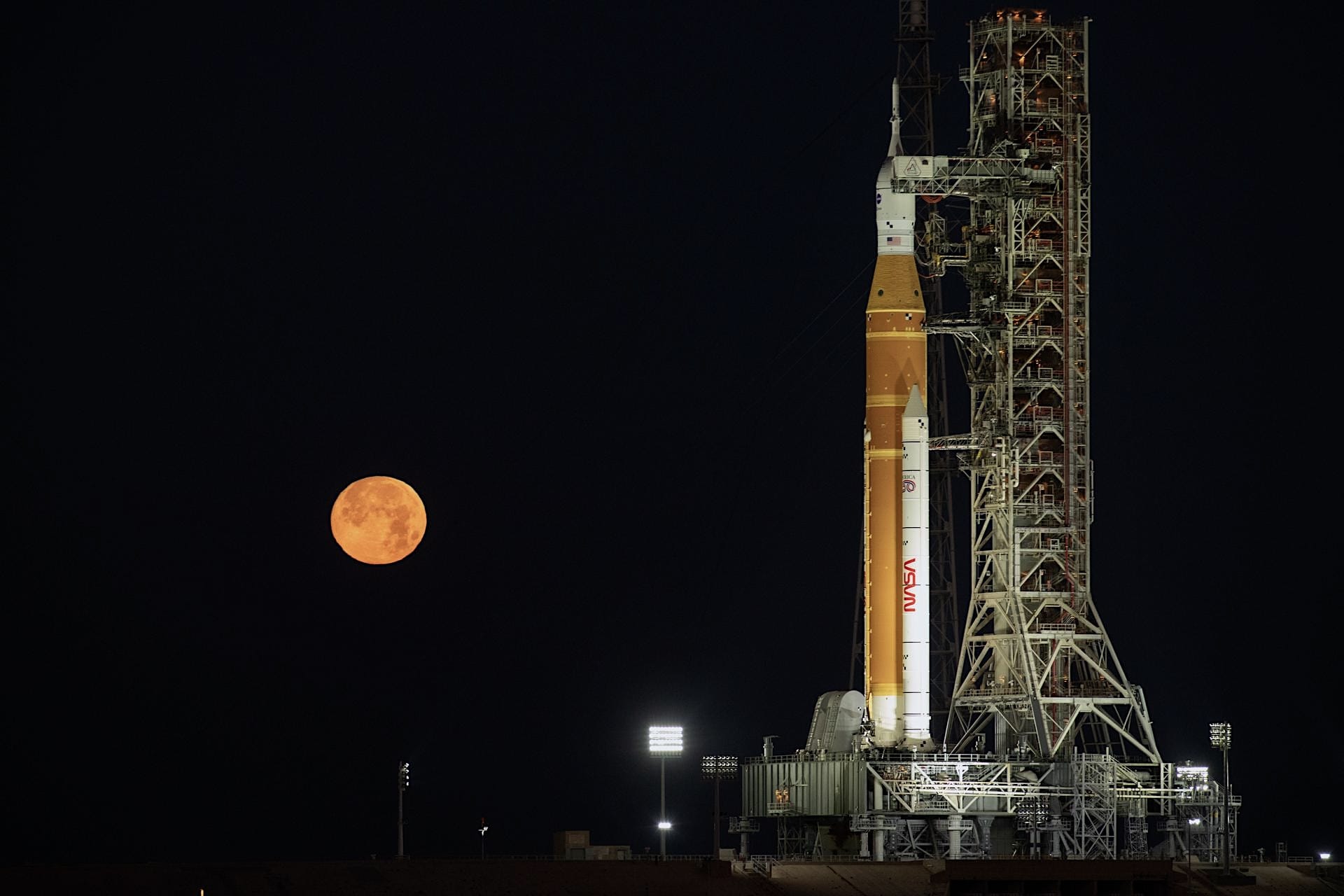
While the long-term Artemis updates are great, the imminent Artemis II mission to fly four astronauts around the Moon and back is where all eyes will rightly be this April. On March 20, NASA transported the mission’s SLS rocket to its launchpad at the agency’s Kennedy Space Center in Florida after finishing pre-launch preparatory work. NASA is targeting the launch in the first week of April, starting from April 1. The five-hour launch window for that day opens at 6:24pm ET. The astronauts entered quarantine on March 18 to reduce their exposure to pathogens in the days leading up to launch. They traveled from NASA’s Johnson Space Center to the Kennedy Space Center on March 27 while maintaining quarantine protocols. NASA has published a detailed Artemis II launch countdown timeline on its website. You can watch Artemis II launch live on NASA+ or YouTube, and follow formal mission updates on the official Artemis blog.
Many thanks to Astrolab, Louis-Jérôme Burtz, Vidyasagar Mundroy and Sean Gulick for being Moon Monday sponsors. If you too appreciate my efforts to bring you this curated community resource on global lunar exploration for free, and without ads, kindly support my independent writing: