Why explore our Moon
Moon Monday #294. Plus a poetic ode to Luna.
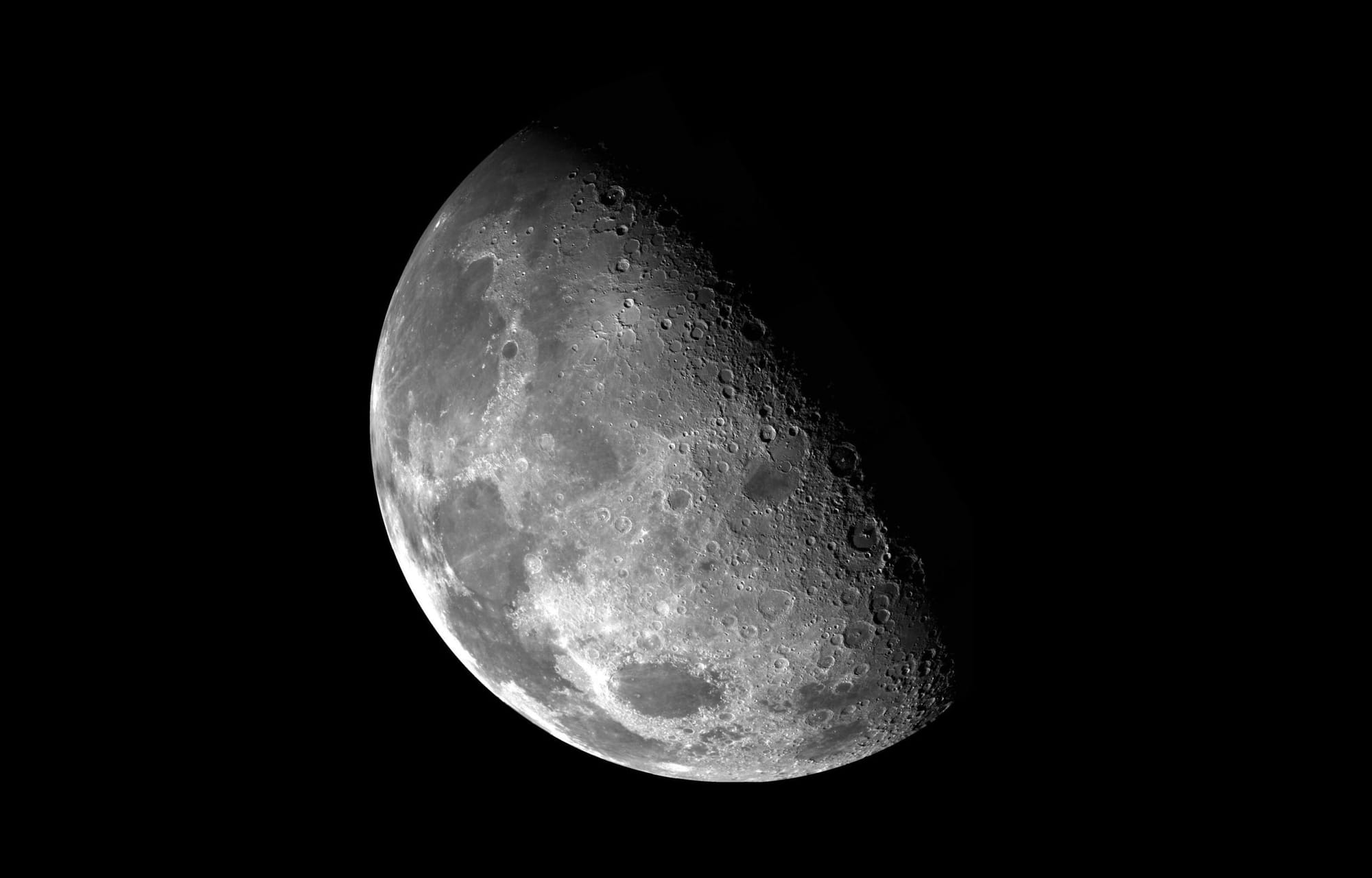
Many people think that the Moon is just a gray ball of rock in our sky. Surprisingly, many scientists seem to share this notion. I once had a physicist tell me the Moon is scientifically boring. That couldn’t be farther from the truth. So I wrote this article to summarize the immense scientific and exploratory value of Earth’s cosmic companion.
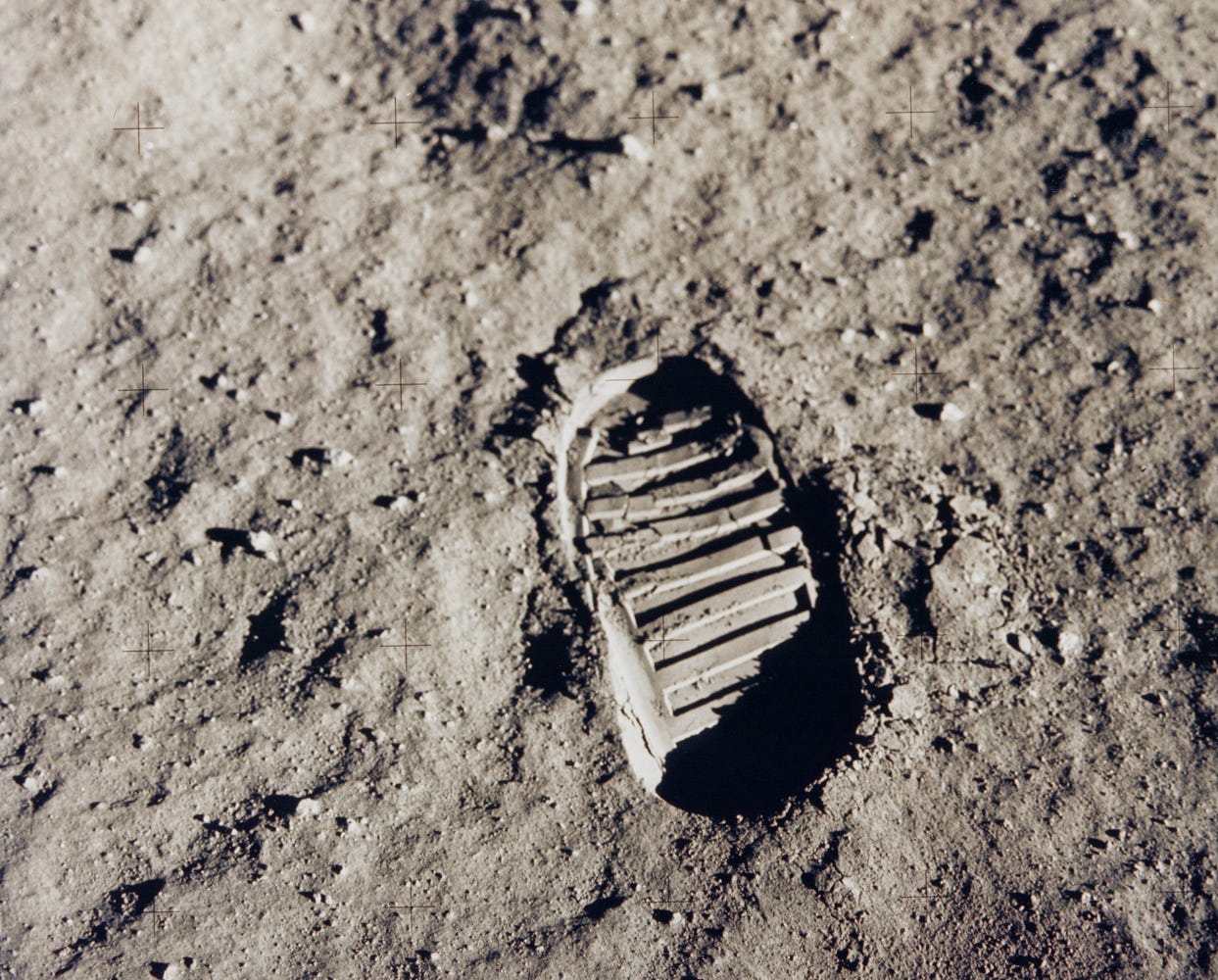
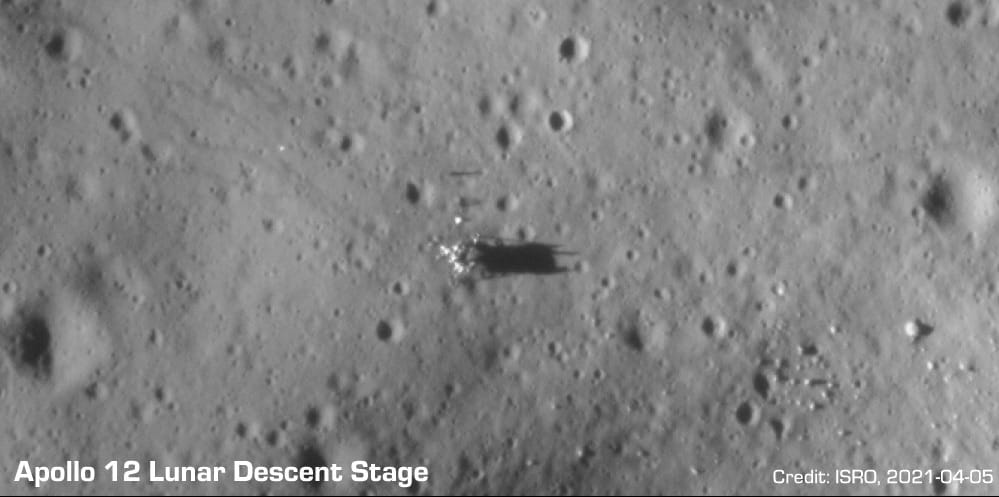
Firstly, consider that the bootprints of Apollo astronauts who walked on the Moon are still there, and can be seen from orbit. Since the Moon lacks an Earth-like atmosphere or running water, its surface stays virtually unchanged for years. This makes our Moon a geological time capsule, including for events Earth forgets.
During the early Solar System roughly 4 billion years ago, asteroids and comets bombarded planets and their moons at a vigorous pace. Most craters formed from such impacts on Earth are no longer visible due to erosion by wind and water or submersion. But the Moon being void of such weathering processes has preserved most of its craters in roughly the original conditions for millions and millions of years. Scientists use the Moon as an age reference to determine how old or young features on other worlds are, such as on Mars, Mercury, and moons across the Solar System. Scientists think the incoming asteroids and/or comets brought water and organics to our planet. The Moon being closer to Earth that it is today also caused larger tides, potentially facilitating mixing of key ingredients for life. Both of these factors possibly helped create of catalyze the first lifeforms. By studying the still-intact craters on the Moon from around 3.5 to 4.3 billion years ago, scientists understand what really happened during this period of our Solar System’s history, especially in Earth’s vicinity, making it a critical piece of our origin story.
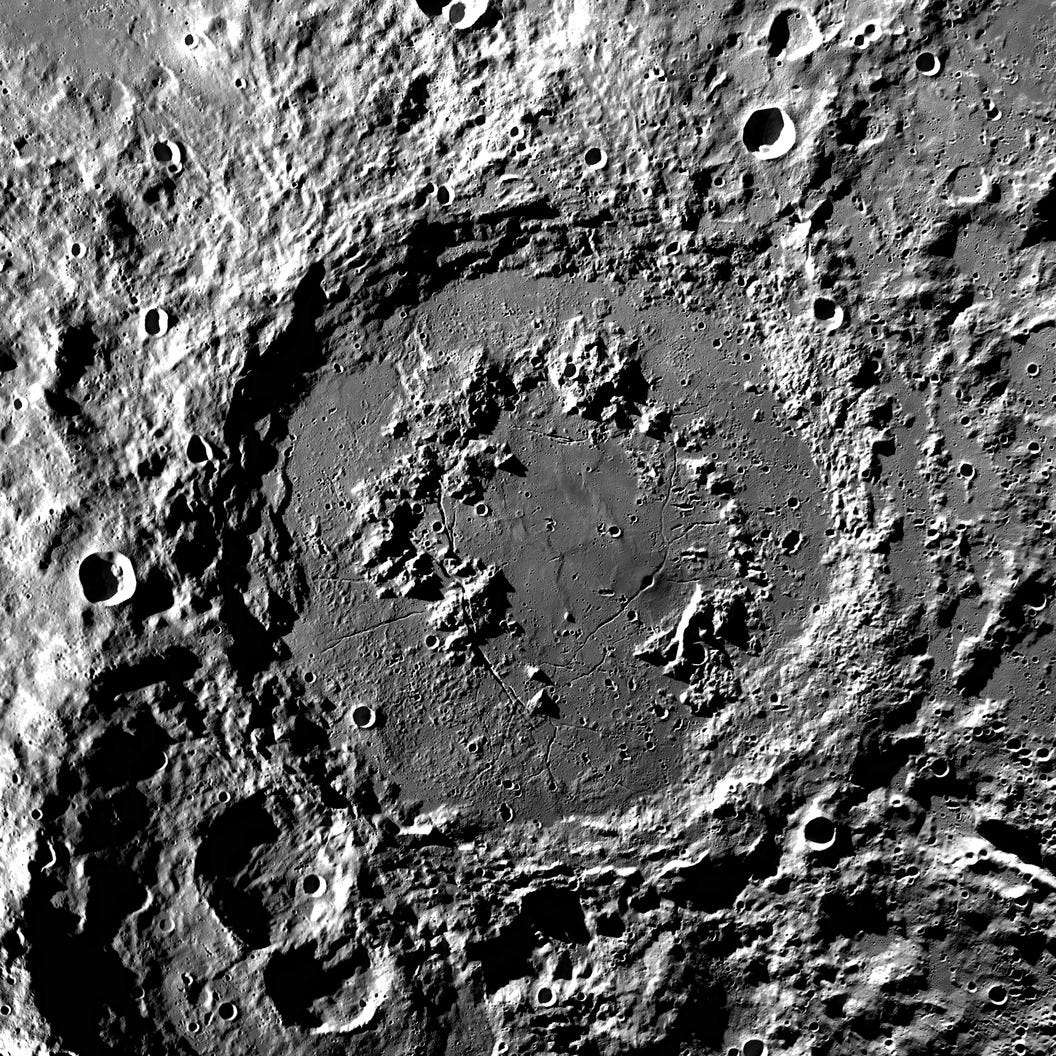
Unlike Earth and Venus, the Moon lacks significant tectonic activity too—though Moonquakes do occur in smaller intensities. There are no continental plates on the Moon. As a result, our Moon’s internal structure is well preserved since its formation about 4.5 billion years ago. This means by studying the Moon’s terrain tied to interior processes, scientists found an opportunity to understand how insides of planets at large form at first. Whether its planets in our Solar System or those lying elsewhere in the Universe, the baseline physics of planetary interiors we can gauge from our Moon applies everywhere. Studying lunar mountains offer scientists a peak (pun intended) into the lunar interior, as do the Moon’s darker regions, which are solidified lava plains from the time of active volcanism on Luna. Several places on the Moon’s farside offer unique opportunities to study the lunar mantle in particular, something we’re yet to sufficiently study.
Exploring our Moon also has technological value. Luna’s proximity to Earth makes it a great testbed of technologies required for deep space exploration, including for the ambition to land humans on Mars. For example, scientists and engineers study our Moon and its environment to understand how solar radiation, high energy cosmic rays, and micrometeorite bombardment can affect astronauts living in deep space for long periods, including on Mars missions. In this century, a finding has made the Moon hold potential economic value as well. India and the US co-discovered water on the Moon using India’s Chandrayaan 1 lunar orbiter in 2009. The water reserves could become a resource for future deep space exploration, offering breathable air for astronauts, water to drink and use, and fuel when its hydrogen and oxygen is liquefied. This potential, combined with the Moon’s proximity making it a technological catalyst, has led to nations around the world sending or planning to send a flurry of robotic and even crewed missions to Luna. In the long run, the Moon’s low gravity barrier, and its placement at the edge of Earth’s, could make it an efficient rocket platform for better, cheaper, faster deep space exploration, potentially even catalyzing human settlements across the Solar System.
Our Moon is valuable even beyond itself
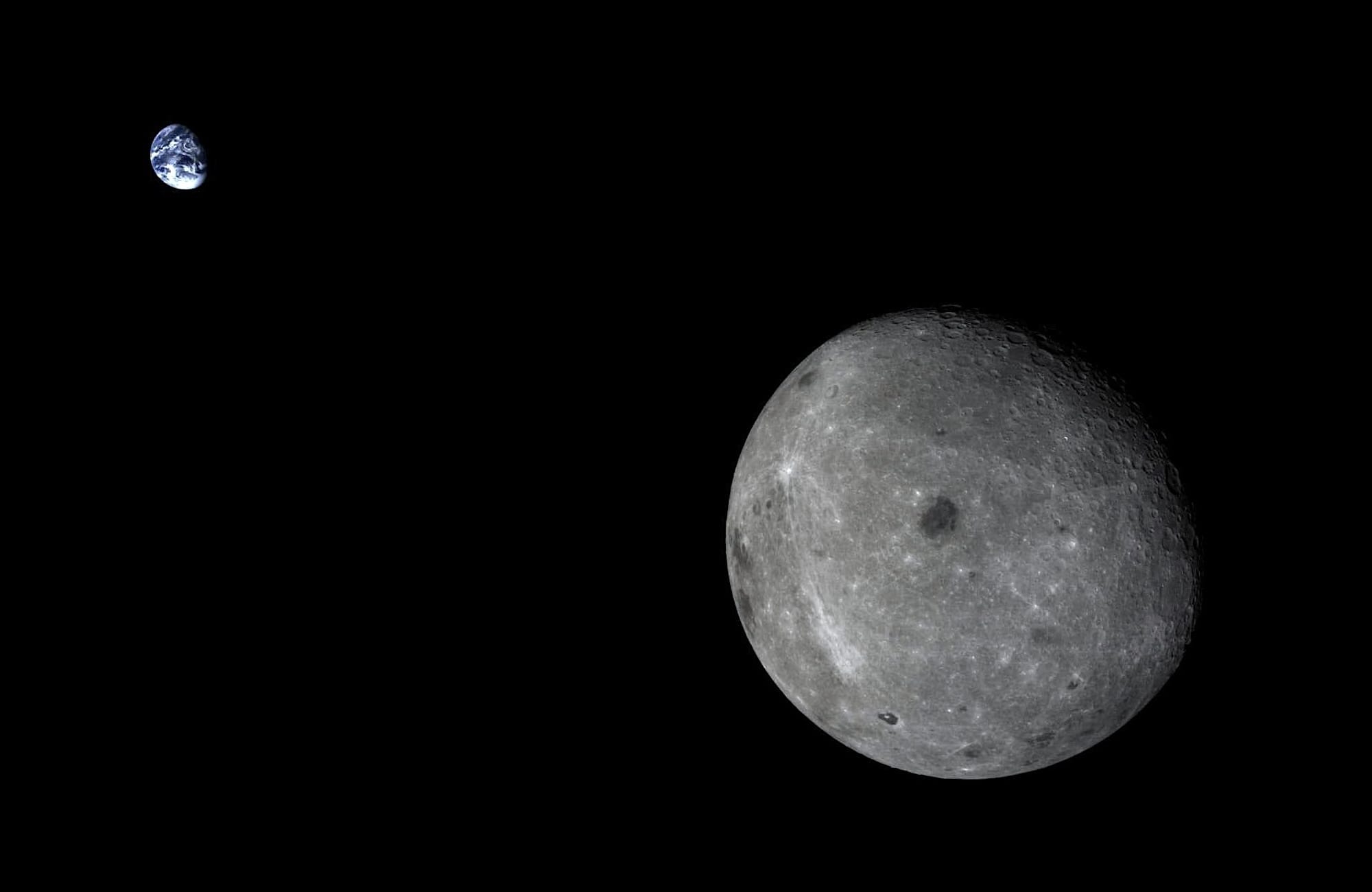
Our serene, silvery cosmic companion’s value lies even beyond the exploration of itself in multiple more ways. Take a look at the following fantastic propositions our Moon offers. Who knows it might be useful during some policy debrief when people want to choose between the Moon and Mars based on logical fallacies tied to mutual exclusions? Our Moon is valuable even beyond itself:
- As a unique platform for radio cosmology to study the Cosmological Dark Ages with missions on the Moon’s farside
- To repurpose Moon missions for enabling deep space exploration
- For leveraging Luna’s unique vantage point to monitor our Sun and its wind
- As a geological time capsule and an age reference for Earth and events across the Solar System, as discussed above
- By studying moonquakes and the lunar interior to understand the origin and evolution of solid surface planets & moons across our Solar System and beyond, as stated as well
- As a well known, nearby reference body to calibrate imagers and radar systems for Earth observation as well as planetary exploration
- For performing some of the most stringent tests of Einstein’s General Theory of Relativity using deployed retroreflectors
- As a good proxy of solar and cosmic radiation in deep space environments to protect future astronauts exploring our Solar System, as mentioned above
- With its regolith/soil being a layered record of our dynamic Sun over the last 2+ billion years, including of the interstellar mediums and environments our Solar System passed through in that time
- Enabling an exclusive set of gravitational wave studies of highly energetic cosmic body collisions not possible to conduct from Earth or elsewhere in our Solar System
- As a unique astronomy platform to study magnetospheres associated with exoplanets which are galactically nearby and potentially habitable
- Perhaps, as a future launch base to other places in our Solar System
Taken together, the above aspects comprise a clear rationale not just for exploring our Moon but also standing up for its preservation against pure commercialization as well as national or private claims of ownership. Especially so when it’s the same kinds of exploratory technologies that both enable many of these fruits and can eventually destroy them.
Exploration ahead
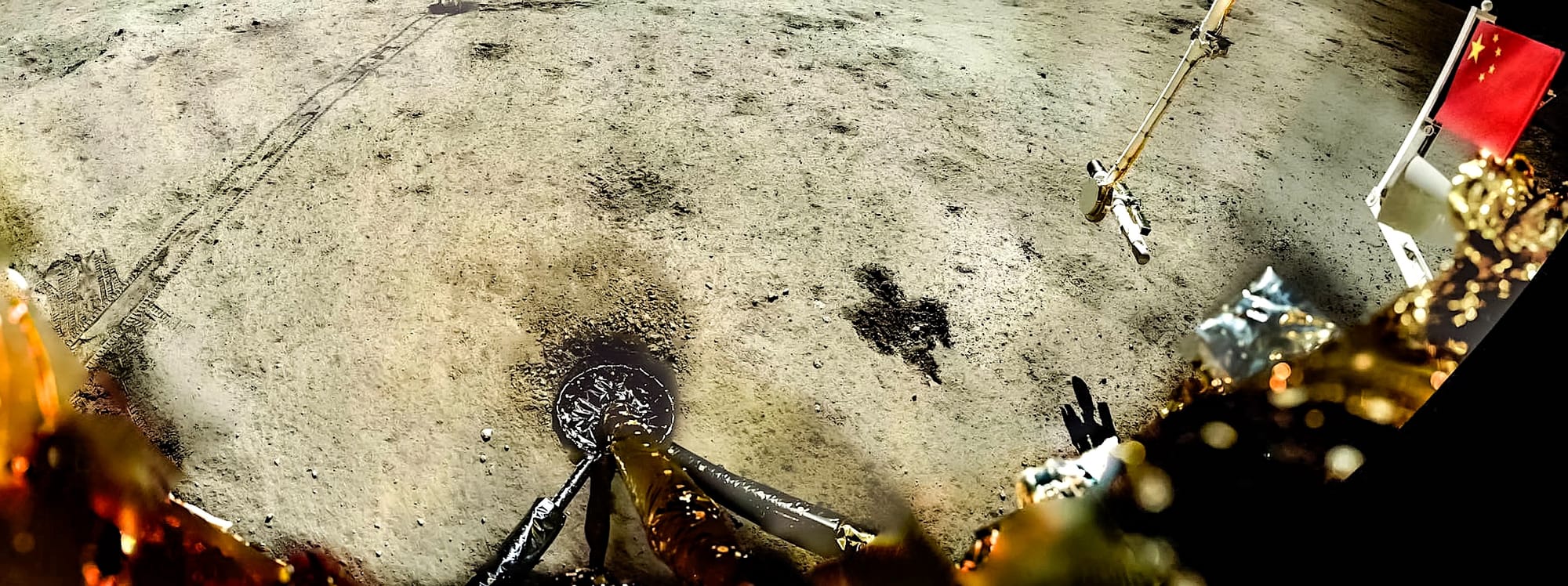
The 382 kilograms of lunar samples which NASA astronauts brought to Earth during the Apollo missions revolutionized our understanding of our Moon and Earth’s formation, teaching us that our celestial companion very likely forged from the shards of Earth itself, after a protoplanet slammed into our planet about 4.5 billion years ago. In 2020 and 2024, China’s robotic Chang’e 5 and Chang’e 6 missions brought new lunar samples from unique sites, which have transformed our understanding of the Moon’s evolution by revealing complex events, especially for the lunar farside. What profound discoveries these are.
Going ahead, Chandrayaan 1’s discovery of lunar water at the poles has set the stage for adding a third dimension to our understanding of our Moon, Earth, and the Solar System. With upcoming surface rovers, robotic sample return missions like Chandrayaan 4, and new crewed missions from China as well as the US Artemis program exploring the unique but treacherous lunar south pole, we have the opportunity to study the Moon’s pristine water and mantle materials directly—both linked to Earth’s—and unravel not only key specifics about our Solar System’s history but fundamental formation mechanisms of Earth-and-Moon-like worlds across the Universe.
Look up at our Moon but also look up to it. It’s always around, always around for a nature profound to be found.
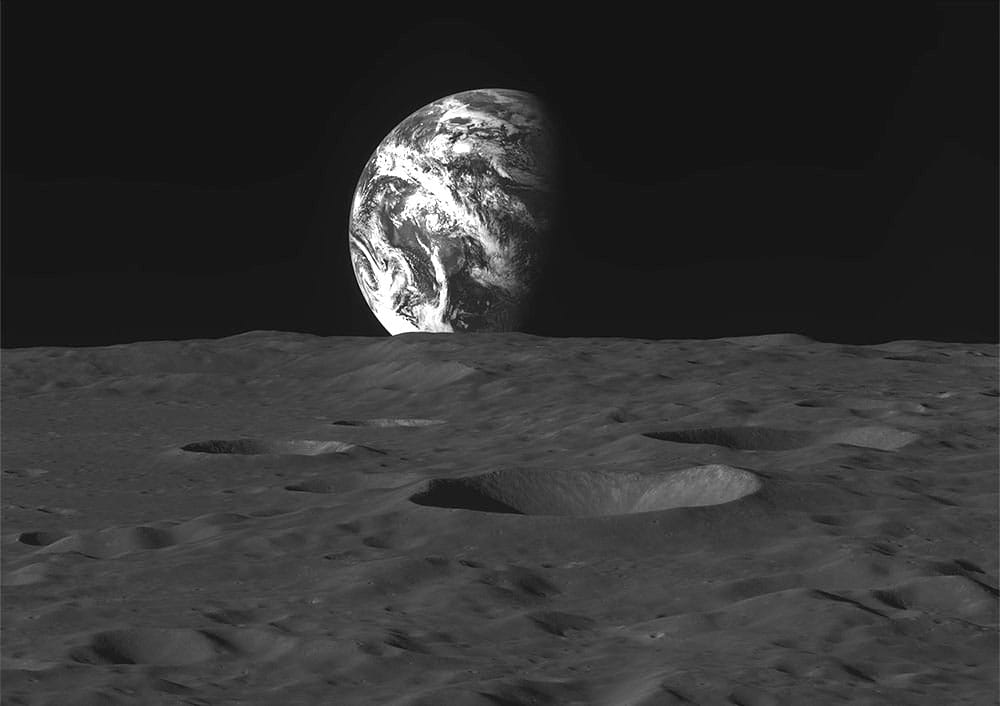
Poem: Always around
Gracious gray amid the blue & bright
Surreal silver against the night
Sometimes an uncanny crescent
or a gibbous glow in ascent
Other times a hollow halo
or a cloud glow
Reflective and rolling, when near
Stony stark skyline, when on it
Cosmic microcosm, when held
Enticing enigma, when leaving behind
This is our monumental Moon,
always around
for a nature profound
to be found
Always around,
always around for you
no matter the morning
it mourned through.
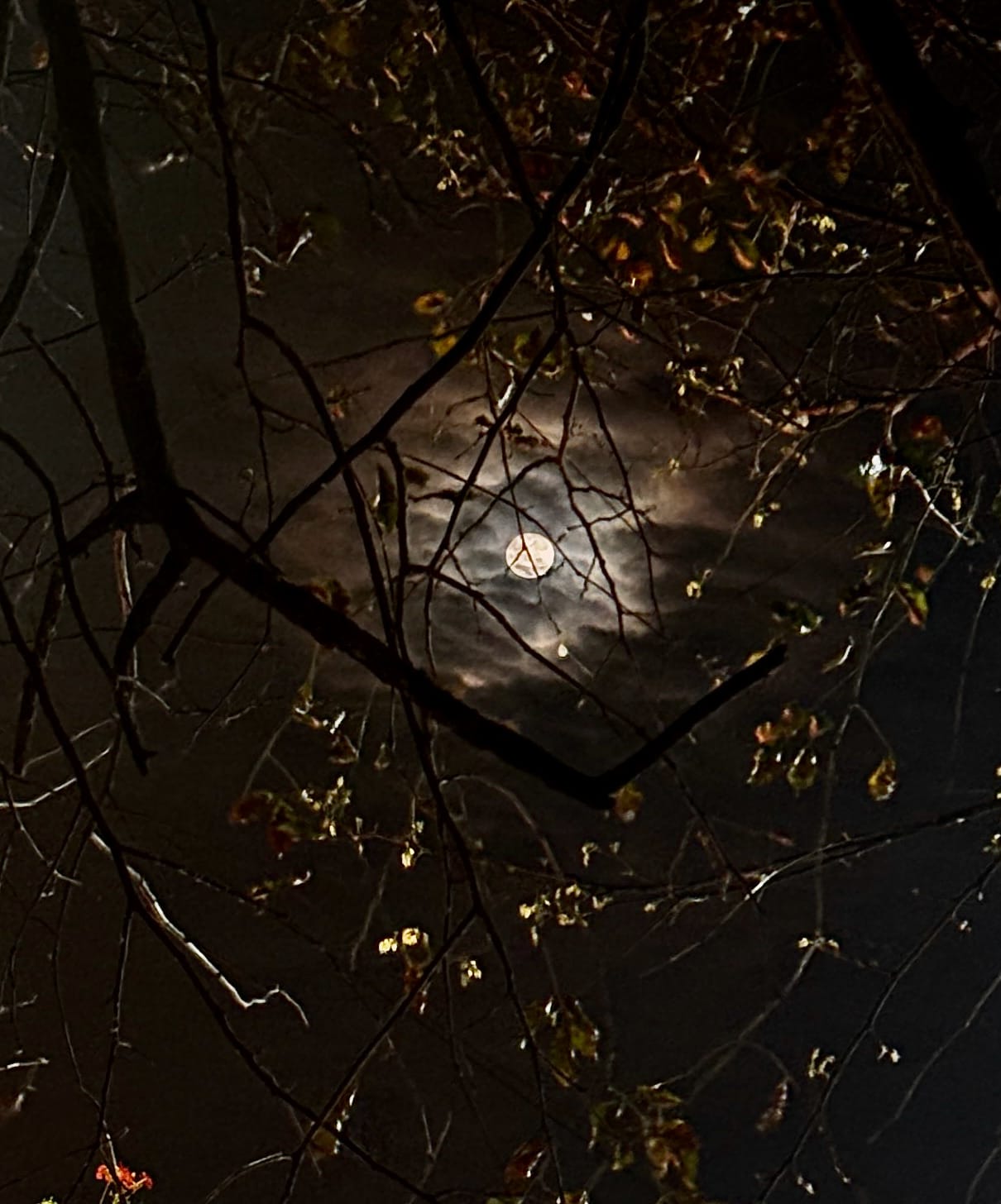
Poem notes: The Moon’s firm presence in our skies is cultural, enlightening, and aspirational. 🌖
Fascinated by our Moon?
Every writer has a flagship article, and this one’s mine. If you found our Moon intriguing, explore my curated page to learn more about Luna:
Or admire Selene’s serene sights:
To track and understand how countries worldwide are exploring our Moon, subscribe to my one-of-a-kind Moon Monday blog+newsletter:
_500_km.png)