ISRO and India had a mixed year in space in 2025
Indian Space Progress #34: An honest review of the country’s space activities this year
While 2023 was an incredible year for ISRO in terms of execution of space missions and projects, and 2024 was about those successes giving the Indian government’s Department of Space (DOS) the confidence to plan an ambitious next decade, 2025 can be characterized more by slower progress, shortfalls, and delayed updates amid the same budget. Below is a linked rundown contextualizing India’s developments across domains of space. Like every year’s review, I’ve made a conscious effort to highlight events and trends that actually happened instead of focusing on upcoming events that may or may not be as successful and/or as timely as they’re being touted and reported as. And so if any big news aspect seems missing, it’s likely intentional :), including discarding pure fund raising announcements by startups in the context of this coverage.
Orbital launches and shortfalls
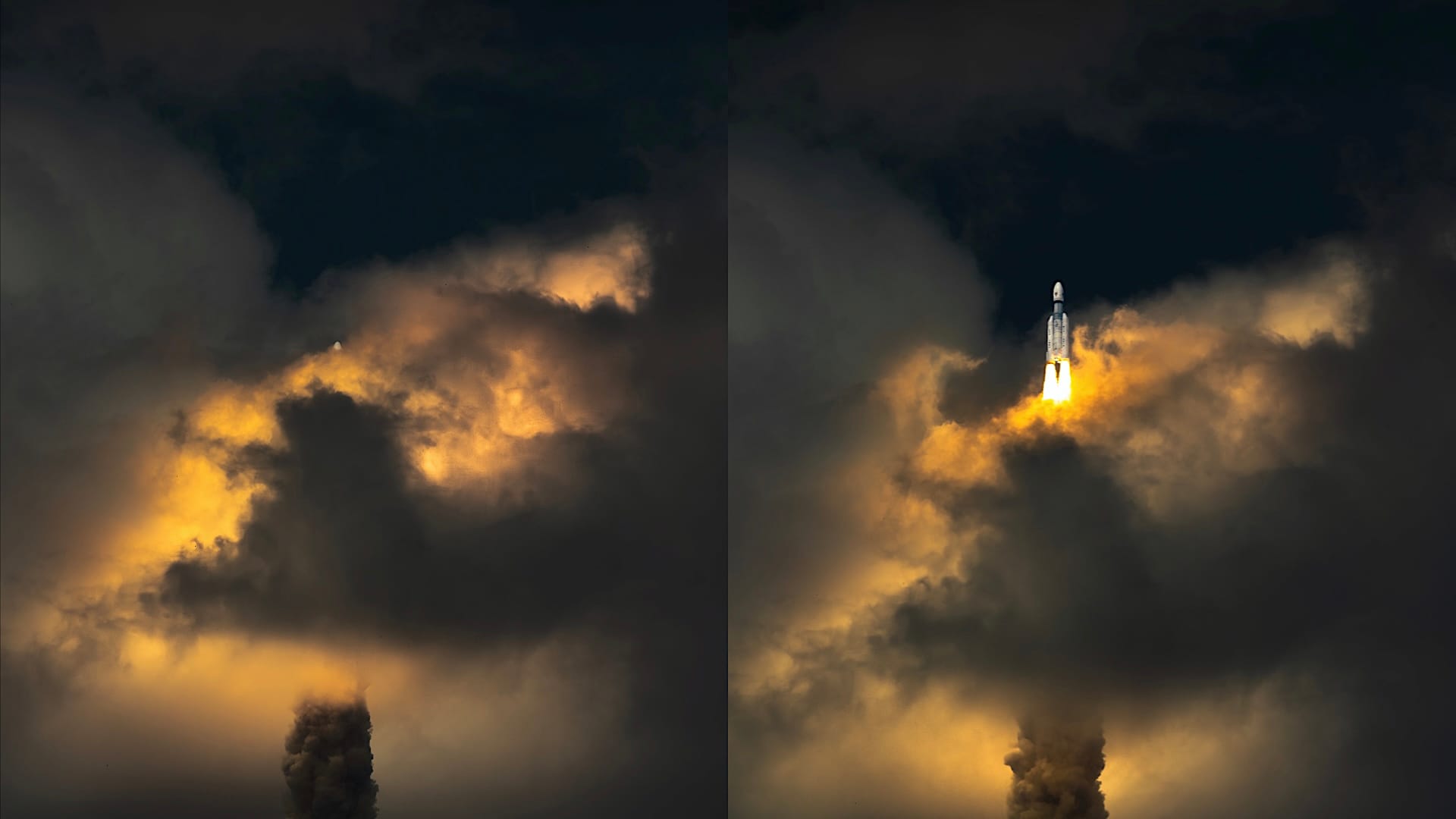
- ISRO successfully launched the cutting-edge & collaborative NASA-ISRO Synthetic Aperture Radar (NISAR) satellite in July, and initialized its Earth observation operations shortly after.
- The agency also launched a communications satellite in November.
- India’s workhorse PSLV rocket failed in May, triggering multiple mission delays since the launch vehicle’s modules and component designs are also utilized by other ISRO rockets. ISRO did not share any specific findings of the PSLV’s failure analysis through the remainder year.
- Considering numerous launch delays over the last 10 years, a review of the state of ISRO’s space rockets reveals a bleak picture of ambitious goals sliding to the right—in stark contrast to the incessant chest thumping about efficiency.
- In January, the Indian Government Union Cabinet approved the establishment of a third launch pad at India’s Sriharikota spaceport for $460 million. After it’s ready by end of decade, it will be used for additional launches of the LVM3 rocket as well as for the later arrival of the in-development heavy-lift NGLV rocket which requires horizontal integration.
Human-to-space flight
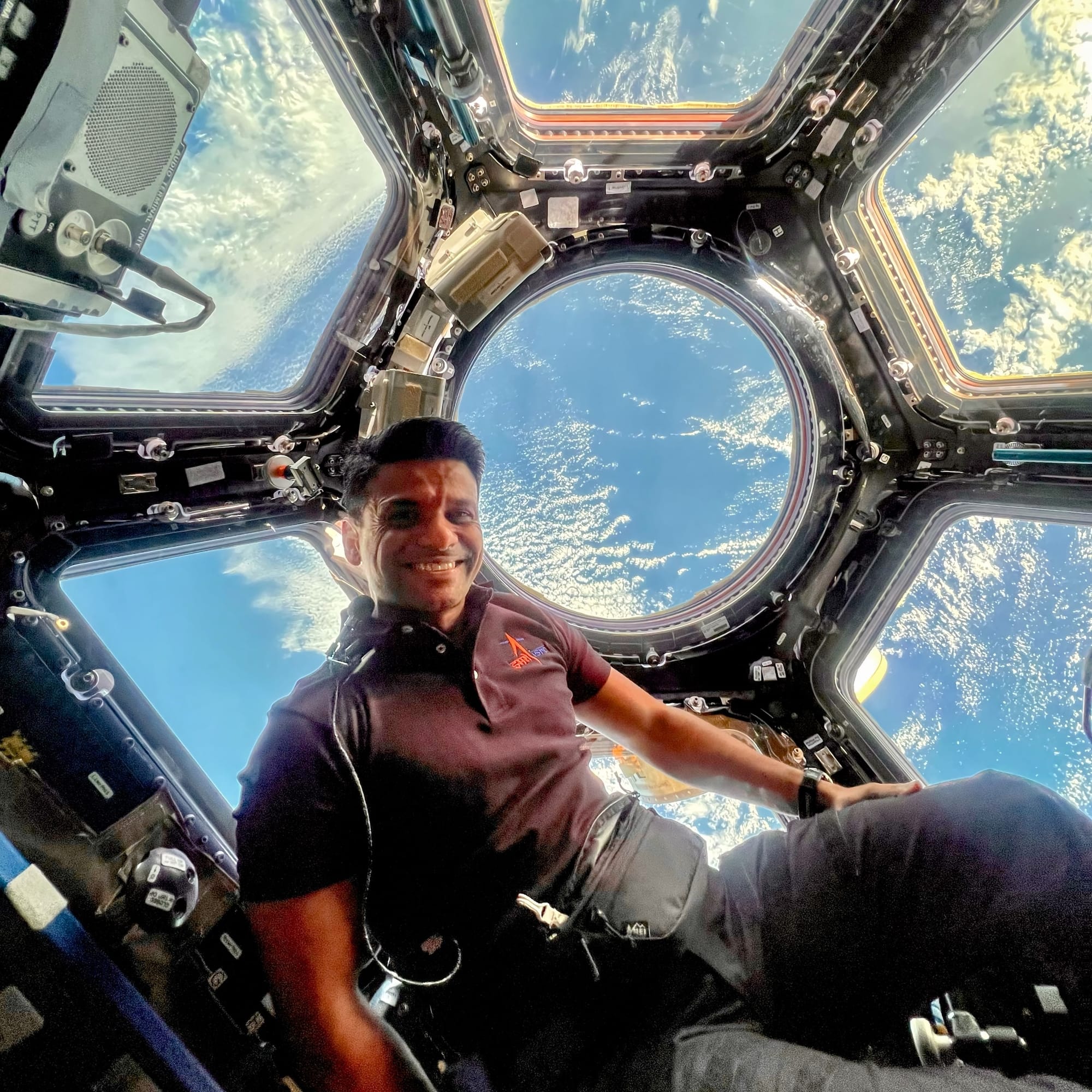
- Indian astronaut Shubhanshu Shukla flew to the International Space Station—but was it worth it for ISRO? [Analysis]
- In preparation towards indigenously launching astronauts to space later this decade, ISRO completed parachute deployment tests of the Gaganyaan crew module with an intentionally delayed deployment scenario and an abort mode so as to qualify the system for extreme situations.
- ISRO also successfully completed development of the Gaganyaan service module’s propulsion system in July. The flight module would feature five 440-newton engines and sixteen 100-newton reaction control thrusters. Post Gaganyaan mission launches, the module will inject astronauts in the Crew Module into orbit, circularize it to a 400-kilometer altitude and maintain it, and eventually de-boost the crew module for Earth return before separating from it.
Chandrayaan progress
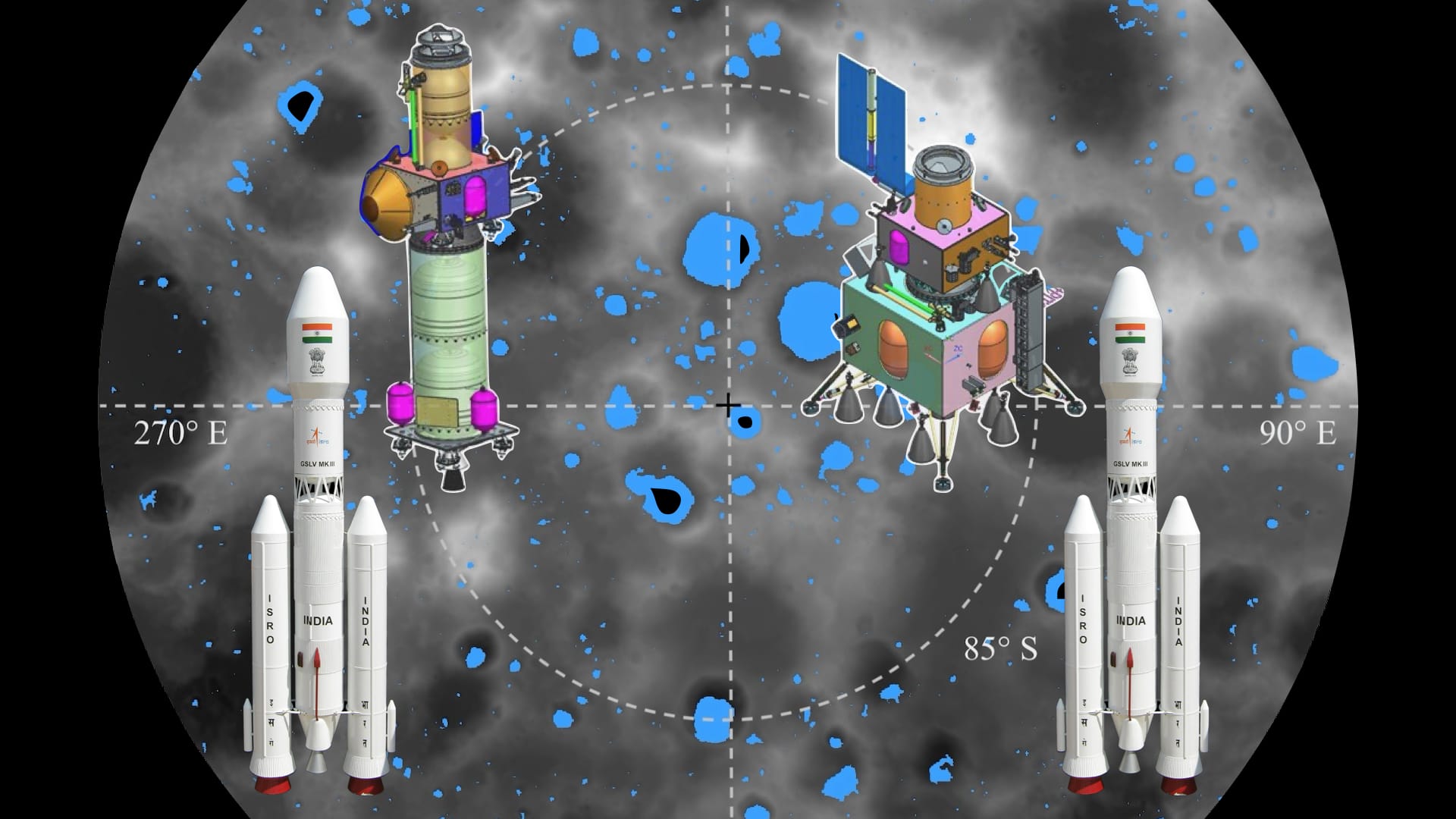
- Results from the thermal probe experiment on India’s Chandrayaan 3 lander expanded the possible locations for finding water ice beyond the Moon’s poles, thereby benefiting future scouting missions. There are also several notable outcomes from other instruments on the lander.
- The Chandrayaan 3 rover may or may not have stumbled upon the Moon’s mantle material when studying the composition of the local lunar soil using its X-ray spectrometer.
- ISRO’s Chandrayaan 2 orbiter helped international researchers produce a galore of science results, notably including continued characterization of the lunar poles using its advanced radar to map potential water ice deposits and also gauge surface roughness, densities, and porosities. The orbiter also helped scientists better understand the Sun’s activity and how it affects the Moon’s exosphere.
- ISRO continued development and planning of the ambitious Chandrayaan 4 mission to bring lunar polar samples—albeit at a slower pace than expected.
- India approved the joint ISRO-JAXA Chandrayaan 5 / LUPEX mission to drill and analyze water ice on the Moon’s south pole. The mission will bring a giant leap in lunar capabilities for both ISRO and JAXA, and it can provide NASA with data critical for Artemis planning currently missing from US missions.
- ISRO revealed its eventual crewed Moon mission’s initial architecture.
Satellites up and down
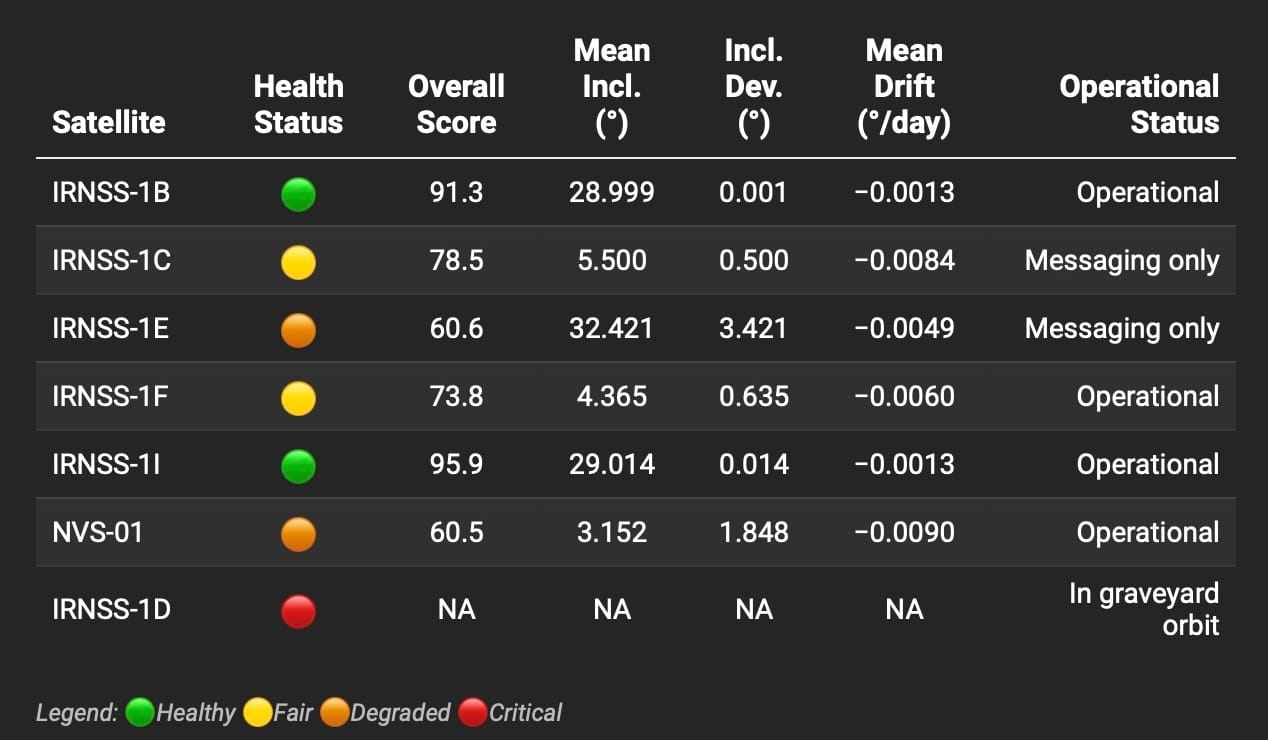
- January’s unfortunate failure of the next-generation NVS-02 satellite left India’s NavIC national satellite navigation system in an even more incomplete and underperforming state. ISRO did not share the findings of the NVS-02 failure analysis throughout the year.
- ISRO successfully docked and undocked its twin SPADEX (space docking experiment) satellites and demonstrated power transfer between them, achieving milestones in preparation for Chandrayaan 4 and complex multi-module coordinations required for human spaceflight.
- ISRO released its internal ‘Space Situational Assessment Report’ for the year 2024, whose public executive summary published in May talks about the agency continuing to dynamically dodge orbital debris, avoid congestion, and prevent collisions.
- India’s newest space-based telescopes Aditya-L1 and XPoSat continued uniquely observing solar explosions and cosmic bursts respectively. In January, ISRO released the first datasets from Aditya-L1 on the agency’s ISSDC and PRADAN portals. XPoSat data became available from October.
Private and commercial space
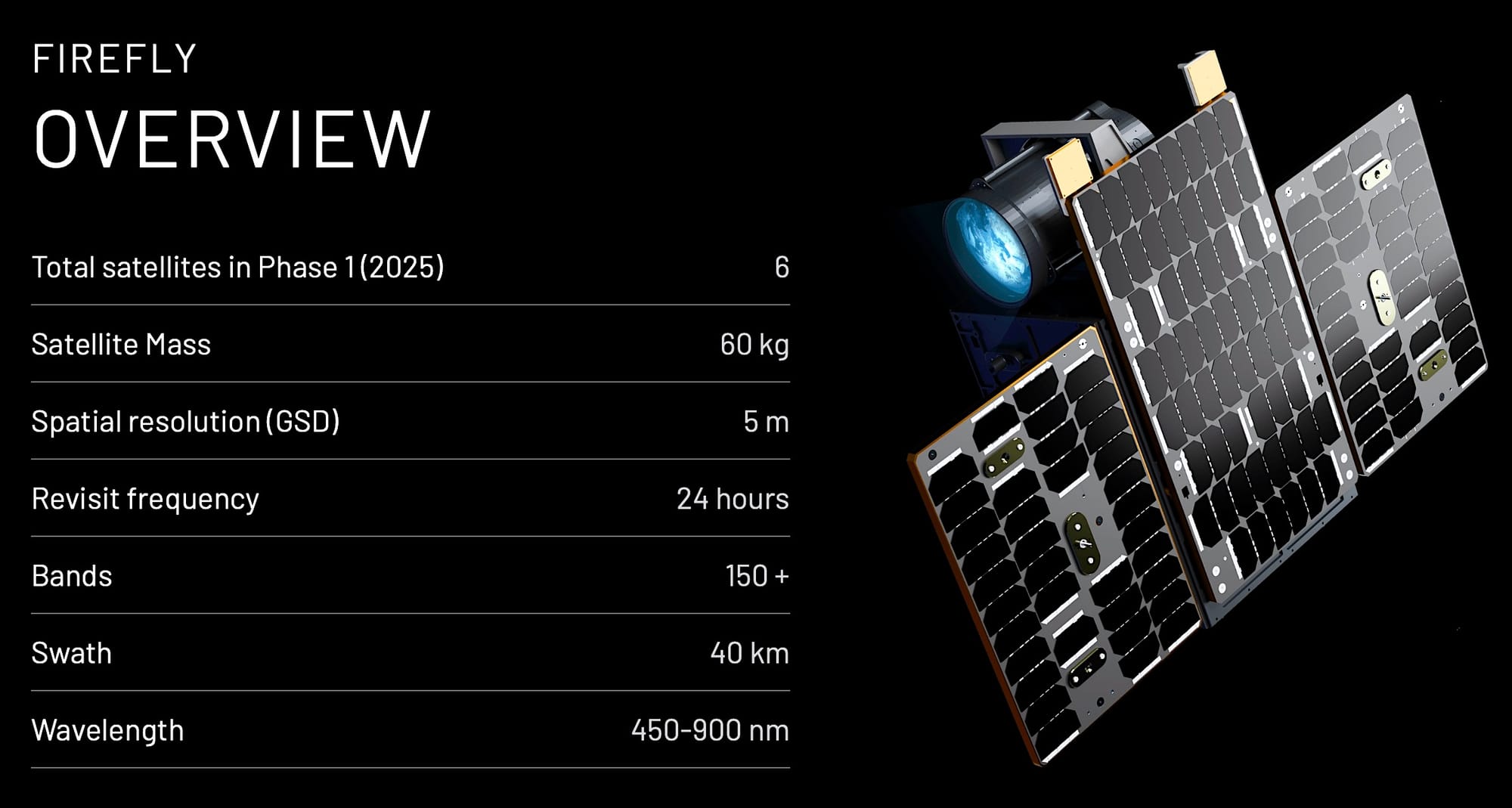
- The SpaceX Falcon 9 rocket’s Transporter 12 launch in January carried five payloads from private Indian companies, including three hyperspectral satellites for Earth observation from Pixxel Space called Fireflies, Digantara’s SCOT satellite for space-based object tracking and situational awareness, and XDLINX Space Labs’ Elevation-1 satellite touting an advanced miniaturized communications payload. Pixxel launched three more Fireflies on another Falcon 9 in August.
- Skyroot progressed through multiple testing milestones of various modules of its Vikram-I rocket, and finally seems set to attempt its first orbital launch in Q1 2026 assuming no more hiccups.
- After conducting their first orbital demonstration of edge-computing-based smart Earth imaging last year, Bengaluru- and Cupertino-based SkyServe tested NASA JPL’s AI models in space through their software platform on a partner satellite.
- The Indian government through private space promoter and regulator IN-SPACe launched a ~$57 million “Technology Adoption Fund” to encourage the private sector to develop and manufacture space components that can help India reduce its reliance on foreign imports while commercializing them. These funds will be provided on a co-investment basis.
Cooperation and collaboration
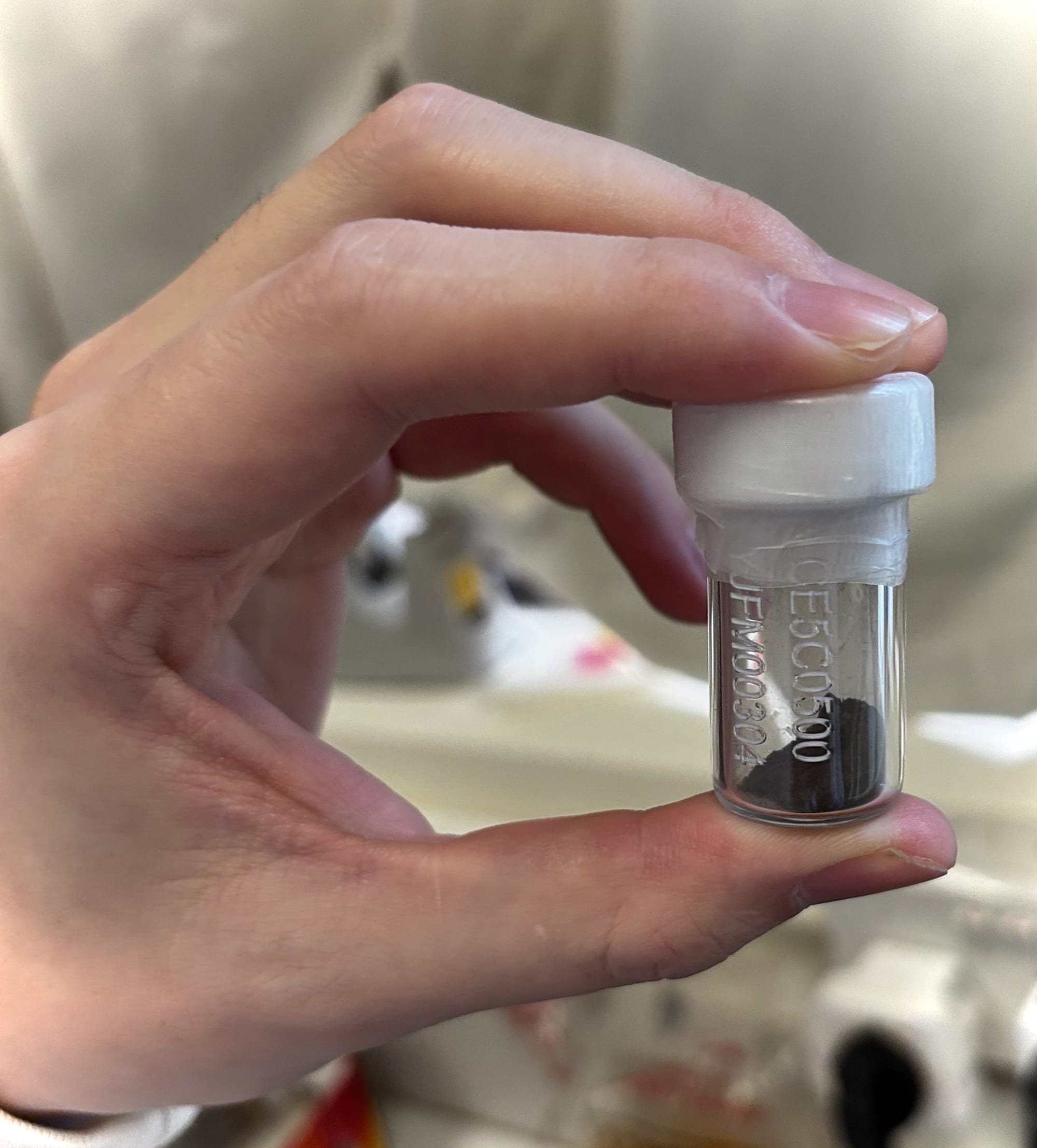
- China formally welcomed India to cooperate on Moon missions and the Sino-led ILRS Moonbase project.
- Relatedly, I delivered a talk at a lunar samples symposium in Hong Kong on the Chandrayaan 4 sample return mission and made the case for India and China to exchange lunar samples. 🌜..<>..🌛
- Since last year, ISRO, in collaboration with organizations like Protoplanet, formally started terrestrial testing for what living and conducting research on the Moon and Mars could be like for its astronauts via baseline analog missions at dry and mountainous Ladakh, adding to global efforts.
- ISRO provided ground tracking support for Intuitive Machines’ IM-2 Moon landing mission part of NASA’s CLPS program.
- Former ISRO Chief K. Kasturirangan passed away in April. His numerous contributions to India’s space program span astrophysics, Earth observation and communications satellites, operationalization of the PSLV rocket, the first GLSV flight test, and laying the foundations for India’s first planetary mission and space telescope as Chandrayaan 1 and AstroSat respectively.
So that was a sweeping look at India’s space activities in 2025. I wrote this for you, not social media or SEO. If you liked my coverage, please share it with other space buffs by grabbing this link.
Many thanks to Takshashila Institution, PierSight, GalaxEye Space, Gurbir Singh and Catalyx Space for sponsoring Indian Space Progress editions through the year!
If you too appreciate my efforts to capture nuanced trajectories of India in space, provided to space communities worldwide for free and without ads, kindly support my independent writing:
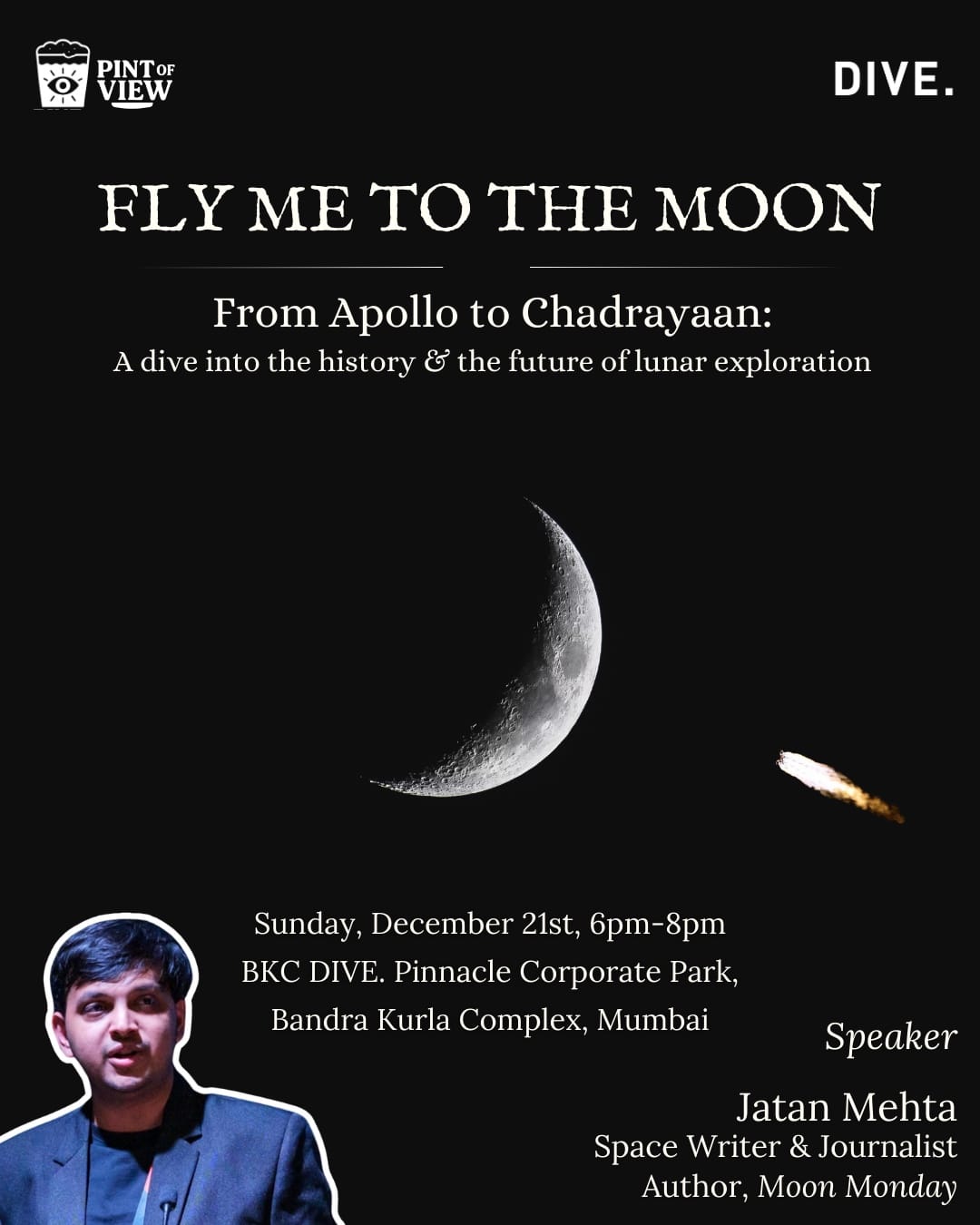
Aside: I’m giving a talk with Q&A on the history and future of lunar exploration in my hometown Mumbai on Sunday, December 21. On popular demand from Pint of View, this a repeat of the session I conducted in Bangalore past September. The event is offline-only to make the audience comfortable in engaging freely with their curiosities. Bring all your questions about our Moon and how we’re exploring it in India and worldwide! For my readers, the hosts have voluntarily offered a 10% discount with the coupon code “MOONMONDAY”. (Note: My honorarium for the talk is fixed regardless of the tickets sold so there are no commission incentives for me sharing this.)