Moon Monday #221: The US is failing to explore lunar water as the principal goal of Artemis
And, countries allied with the US are facing delays in their own missions, allowing China to lead in this aspect of lunar exploration too.

It’s now been more than seven years since NASA officially started its Artemis program to fulfill the US government’s Space Policy Directive of sustaining a human presence on or around the Moon. And it’s been nearly two decades since the NASA Authorization Act of 2005 legislated a mandate to such end:
The Administrator shall establish a program to develop a sustained human presence on the Moon, including a robust precursor program, to promote exploration, science, commerce, and United States preeminence in space, and as a stepping-stone to future exploration of Mars and other destinations. The Administrator is further authorized to develop and conduct appropriate international collaborations in pursuit of these goals.
The National Space Policy adopted by the US White House in 2020 added the following:
The United States shall extend human economic activity into deep space by establishing a permanent human presence on the Moon, and, in cooperation with private industry and international partners, develop infrastructure and services that will enable science-driven exploration, space resource utilization, and human missions to Mars.
Last decade’s joint Indo-US discovery of water ice on the Moon’s poles by India’s Chandrayaan 1 orbiter not only catalyzed the world’s heightened interest in our Moon but also provided a possible path to have future lunar astronauts stay for long periods by utilizing these water deposits. However, planning and executing a sustained human presence on our Moon hinges greatly on what we learn about the ground truth of these deposits in terms of their nature, abundance, exact locations, and ease of utilization. Especially as they are sequestered inside extremely harsh permanently shadowed regions on the poles.
The US has spent nearly $100 billion so far via Artemis and other related programs but has failed to meaningfully progress our understanding of lunar water, much less how to use it. A review of the current states and unfortunate outcomes of US Moon missions across orbit and the surface reveals the direness of the situation. Delays in similar missions by international allies of the US add to the problem.
Lunar orbit mission failures
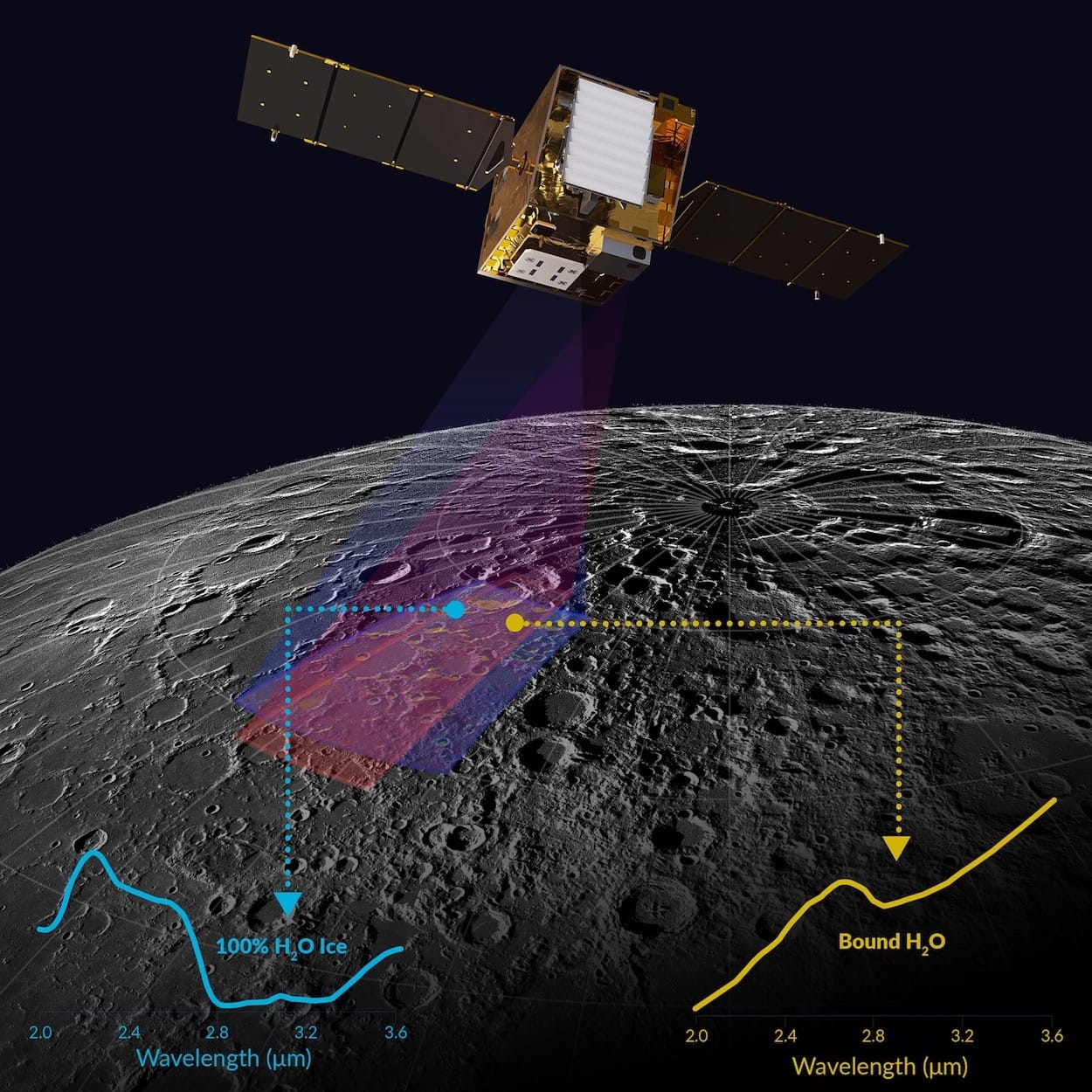
- The NASA-funded Lunar Trailblazer spacecraft, which launched in February 2025, was supposed to provide scientists with unprecedented, high-resolution global maps of the amount, distribution, and state of water across our Moon from orbit. However, control over the spacecraft was lost shortly after launch, with subsequent efforts being unsuccessful. Trailblazer will no longer be able to enter its planned lunar orbit, and the original mission is dead.
- Four independent NASA-funded small satellites—namely LunaH-Map, Lunar Flashlight, Lunar IceCube and LunIR—which launched to the Moon in 2022 also failed at their primary missions. You can follow the links to know what specifically went wrong with each but essentially they couldn’t achieve their desired orbits to study aspects of lunar water and its polar ice deposits as scientists had hoped for.
- Data from NASA’s Lunar Reconnaissance Orbiter (LRO) has uniquely aided many NASA and international Moon landing missions in technical analysis of landing site selections. It has also helped scientists produce many results relevant to lunar water. But the 2009-launched LRO has gracefully aged now, is due for its final mission extension evaluation with limited capabilities left, and can no longer maintain an orbit that can study the lunar poles heads down in any case. Recognizing these constraints, a specialized team of US scientists released a report in 2022 urging NASA to plan an LRO replacement so as to support the increasingly complex upcoming robotic and crewed Moon missions. Three years since, NASA has not approved any LRO successor despite the LExSO mission being proposed by members from the LRO team itself.
- The upcoming NASA-led international Gateway lunar orbital habitat will conduct scientific experiments to help us understand long-term effects of space radiation on prolonged human stays outside the protection of Earth’s magnetic field. The results would be relevant for sustained stays on the lunar surface too. But Gateway’s orbit brings it only up to 1500 kilometers above the Moon’s north pole for a brief period and then takes it almost 70,000 kilometers over the south pole. As such, the Gateway’s not-at-all low lunar orbit is unsuitable to perform meaningful mapping studies of polar water ice and other resources or be of aid in landing site selections. In any case, Gateway’s launch has been delayed by years and its inaugural elements aren’t taking off for the Moon until around 2028.
Lunar surface missions not taking off or landing
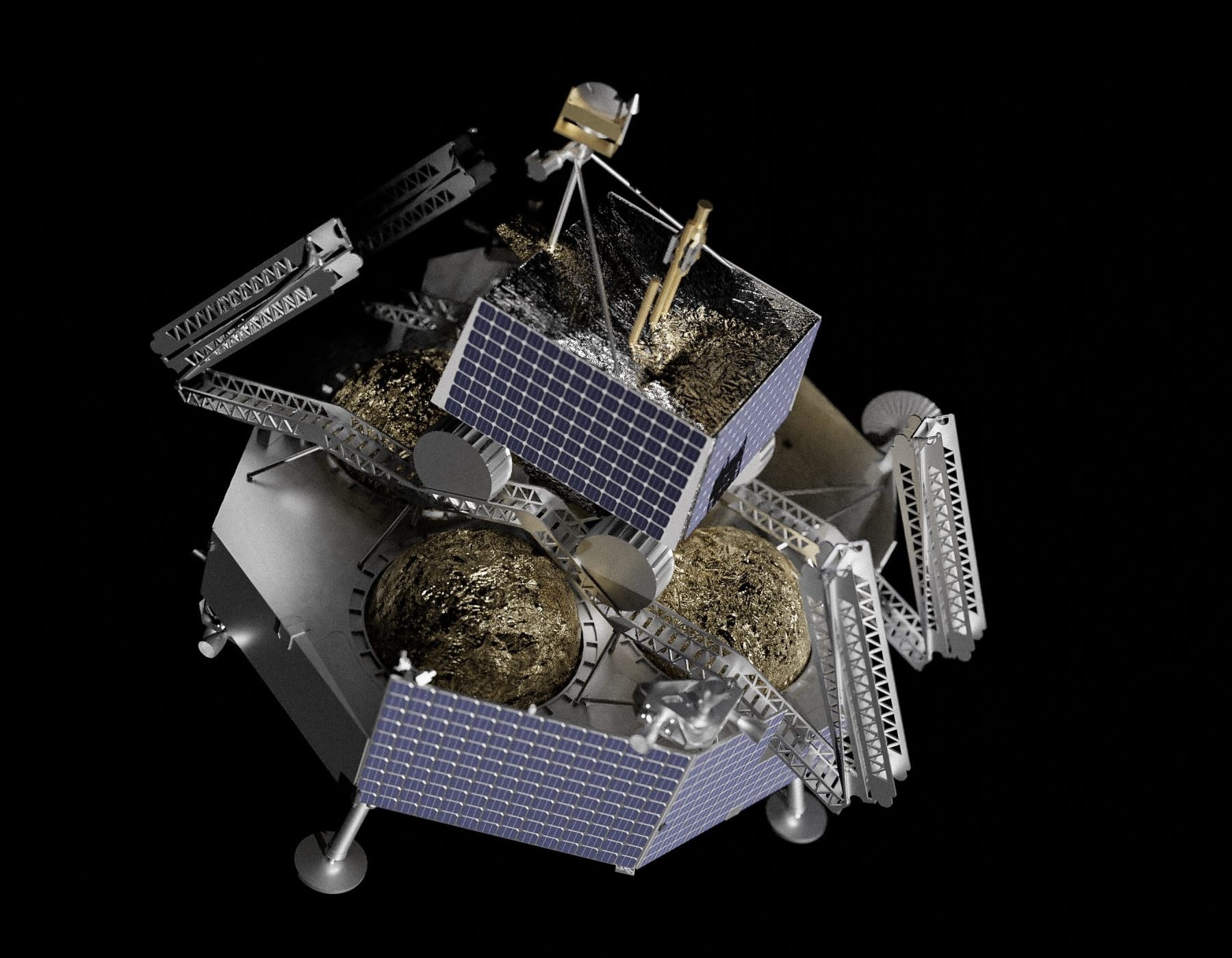
The one NASA mission that was supposed to reveal the first set of hard facts about the Moon’s polar water ice deposits was the VIPER rover part of the agency’s CLPS program. But last year NASA undertook a questionable cancellation of VIPER, and is now scrambling to find a commercial company that will fly and operate the rover at its own cost. This approach decidedly fails at VIPER’s original goal because asking a commercial entity to fulfill the mission’s scientific objectives at its own cost is a non-starter.
Thomas Zurbuchen, a former NASA associate administrator for science and the co-creator of CLPS has said that NASA losing VIPER “pulls the scientific teeth from the Artemis program in an irreversible way.” Planetary scientist Brett Denevi, who leads an Artemis Geology Team for NASA, said in a US Congressional hearing that “we should not expect VIPER science to happen by hoping that someone will offer to fly and operate it on their own dime.” Denevi stressed that the Congress should at least fund existing VIPER science and operations teams, which are at risk of being disbanded even if NASA selects a commercial company to fly VIPER. Even if the US Congress does do that, VIPER’s launch is now delayed anyway.
- Earlier this year, Intuitive Machines’ second CLPS lander called Athena hard landed on the Moon’s south pole and came to rest on its side, which led to the mission being unsuccessful. NASA’s primary goal with Athena was to drill the lunar polar surface to find and study water ice deposits. The agency had also funded a hopper onboard which was to detach and fly over a permanently shadowed region looking for signs of water ice. Athena’s anomalous landing meant none of those experiments could take place. And, results from these experiments were supposed to inform VIPER’s strategy, thus now resulting in having learnt nothing.
- The only other NASA-funded CLPS flight heading for the Moon’s south pole is Intuitive’s IM-4 mission, which isn’t scheduled to fly earlier than 2027, and has limited ways to study water ice in any case. The ESA-provided PROSPECT payload suite onboard to study water ice and extract oxygen from lunar soil is certainly intriguing but is being sent in a demonstrative capacity.
- To advance over PROSPECT, NASA has been planning to send an enhanced pilot plant that extracts oxygen from lunar soil too. Extracting sufficient oxygen from either watery or dry lunar regolith has advantages for sustaining long-term human stays on the Moon. During the extractor mission’s announcement in 2023, NASA said it aims to send the hardware in 2027 but there have been no major updates since then. Based on the announced manifest of NASA payloads on upcoming CLPS and Artemis missions so far, NASA’s oxygen extractor is almost certainly delayed beyond 2027.
- The Artemis III crewed Moon landing mission targeting exploration of the south pole is also delayed. It looks like it will very likely not launch before 2028 at the earliest, given the gradual pace of SpaceX’s Starship progress as the mission’s landing system element as well as delays in Axiom Space developing the lunar surface spacesuit. Most importantly, all of the missions mentioned above that have failed were supposed to inform and enhance science investigations on Artemis III, which will now have to be conducted half-blind.
- The versatile, crew-capable Lunar Terrain Vehicle rover is supposed to be available across Artemis missions and have a large capacity for NASA to host experiments. But it will not launch before 2030 at the earliest.
Missions by US allies facing delays
- NASA’s ultra-sensitive ShadowCam imager onboard South Korea’s 2022-launched KPLO lunar orbiter was designed to optically image and locate water ice deposits inside permanently shadowed regions with higher resolution. However, it has found no reflectance differences that can be uniquely attributed to surface water ice in most of the areas it has mapped so far. To be clear, this isn’t a failure of ShadowCam the instrument. But given that the KPLO orbiter will likely end this year, the dull outcome highlights the pressing need for higher-resolution studies from orbit and the surface neither of which are taking place substantially.
- To be fair to ISRO’s Chandrayaan 2 orbiter, its better optical and radar mapping capabilities than LRO have been producing a trickle of this next layer of lunar water results. In fact, NASA has been collaborating with ISRO to have the Chandrayaan 2 orbiter aid Artemis landing site selections with lunar polar water prospecting and hazard classifications. But the orbiter’s infrared spectrometer’s output has been lacking, and NASA’s leveraging of the orbiter’s optical and radar capabilities has been limited in scope.
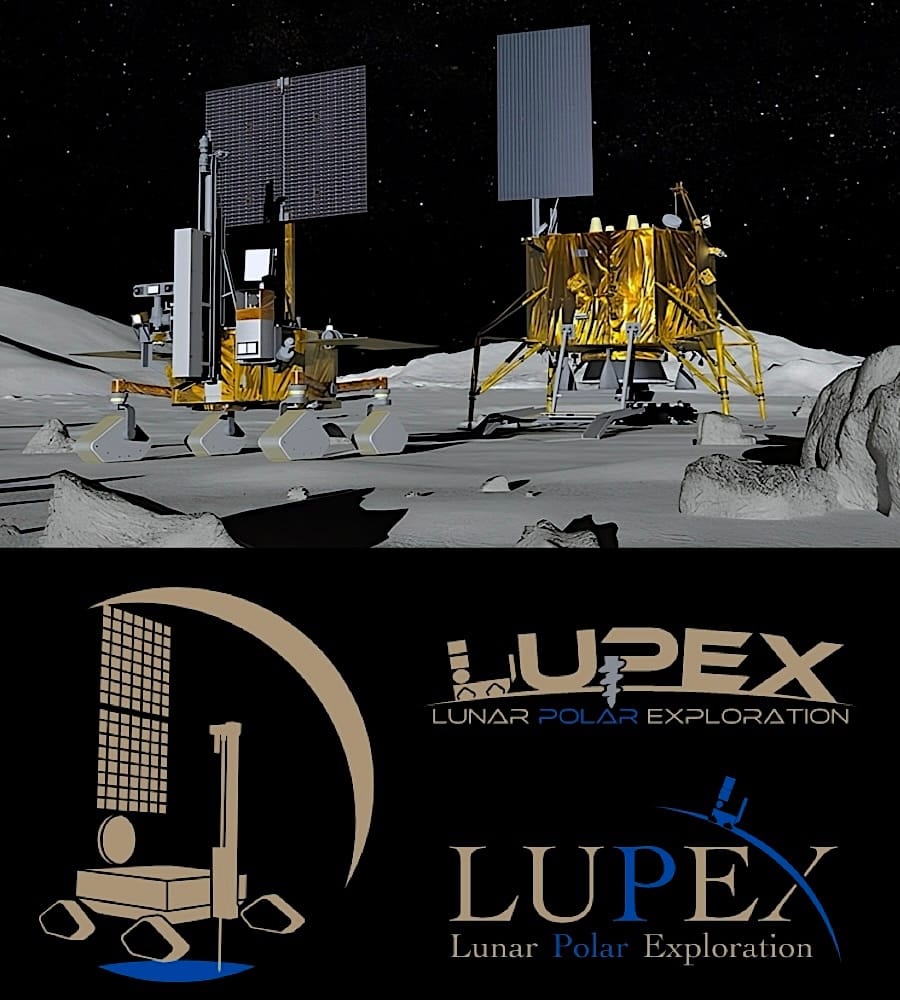
- Ultimately though, knowing the truth about the Moon’s water ice deposits from the surface is necessary to systematically plan sustained lunar missions. With NASA’s now-shaky VIPER rover likely not enabling this critical outcome as intended, the upcoming joint Indo-Japanese Chandrayaan 5 LUPEX mission stands to provide NASA a chance to obtain the desired information. Japan is a key Artemis partner of NASA, and has signed the US-led Artemis Accords for cooperative lunar exploration. India too has signed the Accords, and ISRO is already aiding NASA as outlined above. All of these mechanisms encourage scientific data sharing. However, LUPEX was originally intended to launch mid-decade, and is now targeting take off only by end of decade instead.
- Chandrayaan 3 landed in a high-latitude but non-polar region and as such only one of its instruments had relevance to the search for polar water ice.
- Australia’s first lunar rover called Roo-ver, which will launch on a NASA-funded CLPS lander to explore the Moon’s south pole for water ice, has also gotten delayed to 2028—two years later than originally intended. Similarly, Canada’s first lunar rover to explore south polar water ice has been delayed. It too was supposed to launch on a NASA-funded CLPS lander in 2026 but has not been assigned a lander yet—or whose manifest status has not yet been made public.
China to gain lead in lunar water too
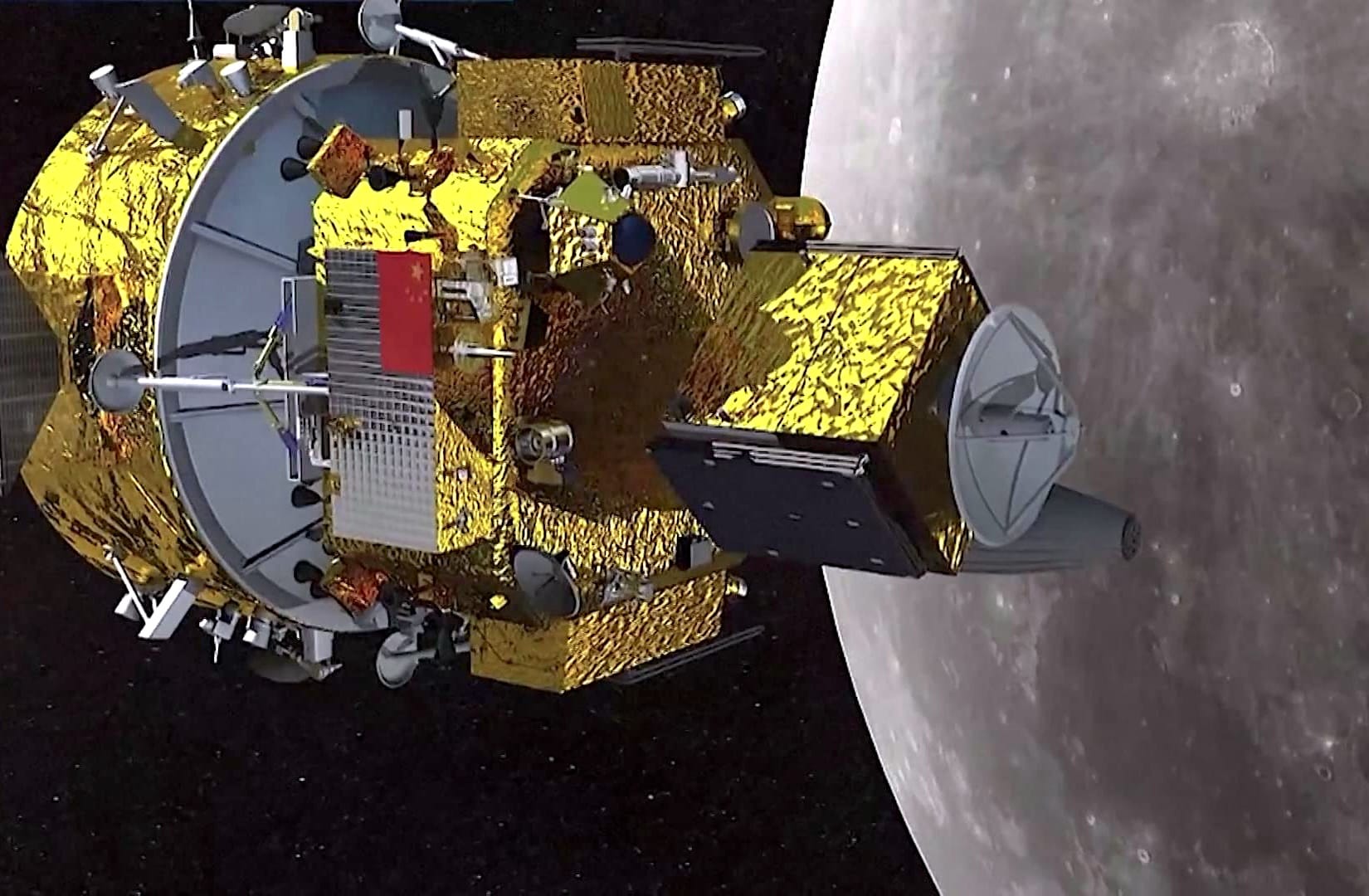
While the US and its allies have been failing to advance swiftly and meaningfully in exploring and understanding water ice on the Moon, China has been preparing two Moon landing missions to that end. CNSA is preparing to launch the Chang’e 7 mission next year to advance the understanding of the accessibility, movement, and storage of surface and near-surface polar water ice. The same theme will be advanced by Chang’e 8 in 2028, which will also start utilizing lunar soil by melting it to 3D-print bricks from.
China’s track record of virtually no failure despite undertaking increasingly complex lunar missions is exceptional. There’s little reason to doubt that Chang’e 7 and Chang’e 8 will not be successes, giving China a lead in that aspect of lunar exploration as well. China is poised to prepare well for an eventual sustained lunar presence with crew and robots under the Sino-led project called the International Lunar Research Station.
What can the US bloc do?
To alleviate its failure to substantially understand lunar polar water ice, the US could take a number of steps:
- The US Congress could reinvigorate VIPER by mandating that its scientific goals be executed for as originally planned and appropriating relevant funds for the same.
- NASA and ISRO could tighten their use of the Chandrayaan 2 orbiter for Artemis-related studies, using it as a de facto LRO replacement.
- In parallel, NASA could get the US Congress to approve the LRO successor mission LExSO and launch it as soon as feasible.
- Having done it before, NASA could direct a couple of upcoming CLPS flights to land on the Moon’s south pole instead on their current target landing sites. However, this would come at the expense of the different lunar science goals the missions are currently aiming for, and could make the landings riskier.
- NASA could enhance its investment in the Indo-Japanese LUPEX rover for the mutual benefit of all involved.
- NASA could continue investing in small lunar orbiters but with changes that ensure better resource availability to significantly improve chances of mission success while the satellites still cost a fraction of big programs by definition.
Now, these or other recourses could prove challenging in a tightening budgetary environment for NASA and the US at large, especially with planetary sciences facing deeper cuts under the current Trump administration.
Many thanks to Open Lunar Foundation and Gurbir Singh for sponsoring this week’s Moon Monday!
Today’s special Moon Monday edition took me a lot of work to get the breadth, depth, and accuracy right across the global spectrum of missions related to lunar water. If you found my article and its dozens of links useful, and you appreciate my efforts to publish Moon Mondays as a curated community resource for free and without ads, kindly support my independent writing. 🌙
The Moon and Mars in parallel

During his US Congressional confirmation hearing, Trump’s nominee for the NASA Administrator position Jared Isaacman insisted on a parallel Moon & Mars approach with the existing NASA budget instead of choosing one over another. Marcia Smith though points out:
If confirmed to lead the agency, he may discover money is, in fact, part of the problem. The nation’s investment in NASA today, about $25 billion a year, is a fraction of what the country was spending in the 1960s. The Apollo program alone cost $25.8 billion over the years 1960-1973, which is $257 billion when adjusted to 2020 dollars according to The Planetary Society. That didn’t include NASA’s science or aeronautics programs.
During the hearing, Isaacman endorsed landing US astronauts on the Moon with Artemis III before China does by 2030. The latter is an event in itself that the entire US Congress is scared of. Isaacman said NASA’s existing plan with the SLS rocket is the fastest way to land Artemis III. Although he would not clarify why the Moon’s “scientific, economic, and strategic value” to the US is yet to be determined but that of Mars somehow is pre-known.
Notably, in the context of Isaacman’s deep ties with Elon Musk and SpaceX, Isaacman repeatedly avoided answering a simple yes/no question about whether Musk was in the room when US President Trump offered him the administrator position. Relatedly, last month Isaacman sent a letter to the Ethics Official at NASA about his plans to disentangle his actual and apparent conflicts of interest with SpaceX should the US Senate vote and confirm his NASA Administrator position by next month.
More Moon
- On April 8, Bangladesh became the 54th nation to sign the US-led Artemis Accords for cooperative lunar exploration, joining its neighbor India who became an Accords signee in 2023.
- Intuitive Machines announced that it will launch its fourth Moon mission on a SpaceX Falcon 9 rocket, with a liftoff target of 2027.
- ispace Japan’s US subsidiary is partnering with Redwire Space to compete for CLPS contracts to send NASA’s scientific & technological payloads to the Moon. ispace US currently is part of one CLPS contract through Draper, wherein ispace US is building the lander to carry NASA payloads to the Moon’s farside.
- Over at its new Moon-simulating LUNA facility, ESA is testing modern tools and equipments future astronauts could use to optimize which rocks to collect during future Moonwalks to yield better science.