Science results from India’s Chandrayaan 3 Moon mission | Moon Monday #275
The near-polar lunar surface and environment had never been measured in-situ before Chandrayaan 3 arrived. Now our understanding of it has been grounded in measurements just as we prepare to send a wave of Moon missions.
India’s Chandrayaan 3 lunar landing at the near-polar location of 69.37°S, 32.32°E in August 2023 marked a key moment for the country’s space program. Its nominal touchdown also maintained the momentum for the world’s march to the Moon. A year later, ISRO finally made available a set of peer-reviewed Chandrayaan 3 payload data online on its portal, accessible by anyone after free registration. ISRO has made its planetary missions data portal compliant with NASA’s Planetary Data System (PDS). And so just as with the Chandrayaan 2 orbiter, Chandrayaan 3 data is available in the latest PDS4 format for international researchers to utilize with less friction than before. Chandrayaan 3 has produced a host of science results, not all of which ISRO has compiled or contextualized. Unfortunately with spaceflight, the flight parts always get more formal communications as well as media coverage globally than actual outcomes (or lack of them) from the missions. To that end, I’ve compiled and contextualized below notable research outcomes from Chandrayaan 3, along with links to explainers and the source papers or public abstracts.
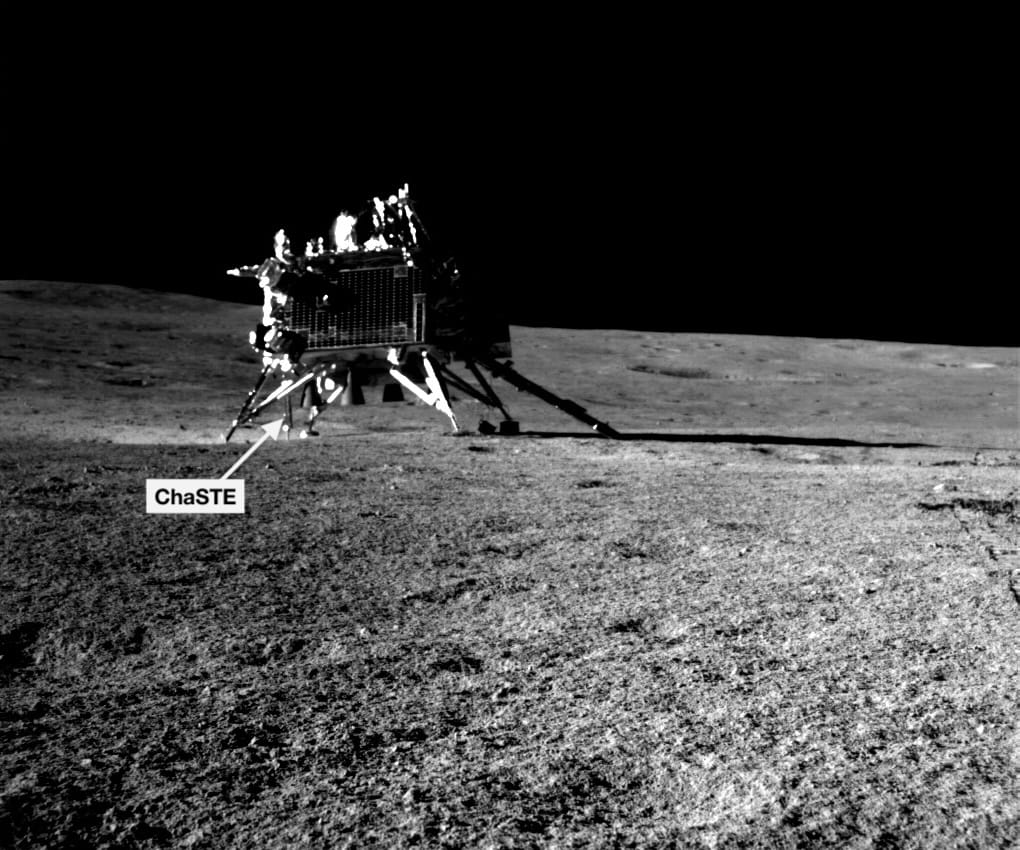
- Results from the ChaSTE thermal probe experiment on the Chandrayaan 3 lander have expanded the possible locations for finding water ice beyond the Moon’s poles, thereby benefiting future scouting missions. Further thermal probe measurements taken after Chandrayaan 3’s hop on the Moon revealed finer layers of the lunar soil and their physical properties, which can inform drilling or extraction activities planned by future near-polar and polar missions.
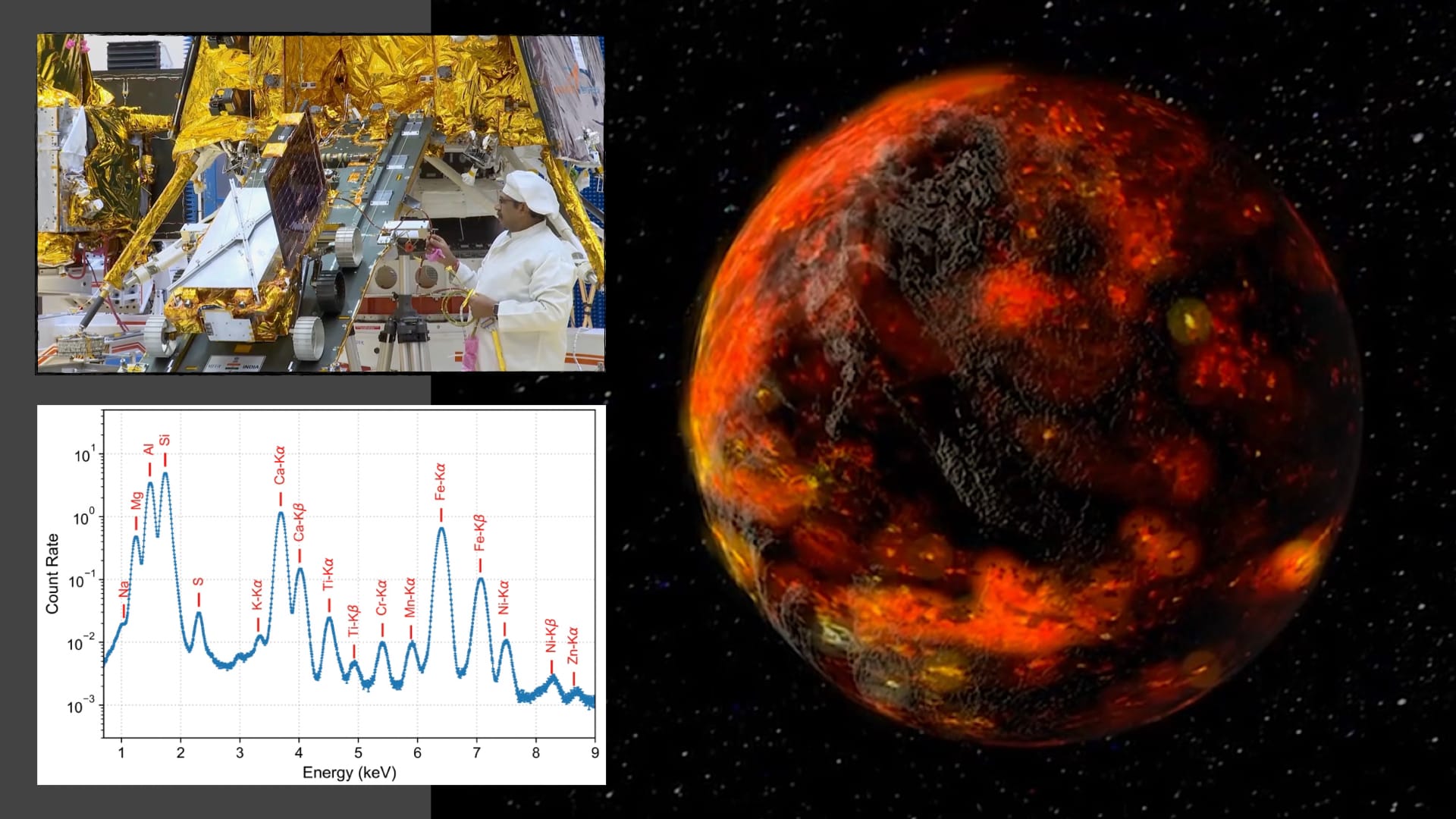
- The Chandrayaan 3 rover Pragyan made lunar soil composition measurements using its X-ray spectrometer, which contributed to knowledge of our Moon’s origin. It also may or may not have stumbled upon the Moon’s mantle material when analyzing local soil. July 2026 update: Further analysis found that the mission’s landing site materials originated from a relatively magnesium-rich lunar crust and regolith, representing a rarer aspect of lunar evolution studies.
- The other spectrometer on the rover though, which is laser based, hasn’t produced similarly mature results. While preliminary analysis of its spectra found the presence of elements like Oxygen, Magnesium, Aluminum, Silicon, Calcium, Iron, Titanium, Manganese, Chromium, etc., hinting at a diversity of minerals in the region, several of those measurements are being challenged by a group of French scientists. Either way, a follow-up study from the payload team at ISRO hasn’t been published.
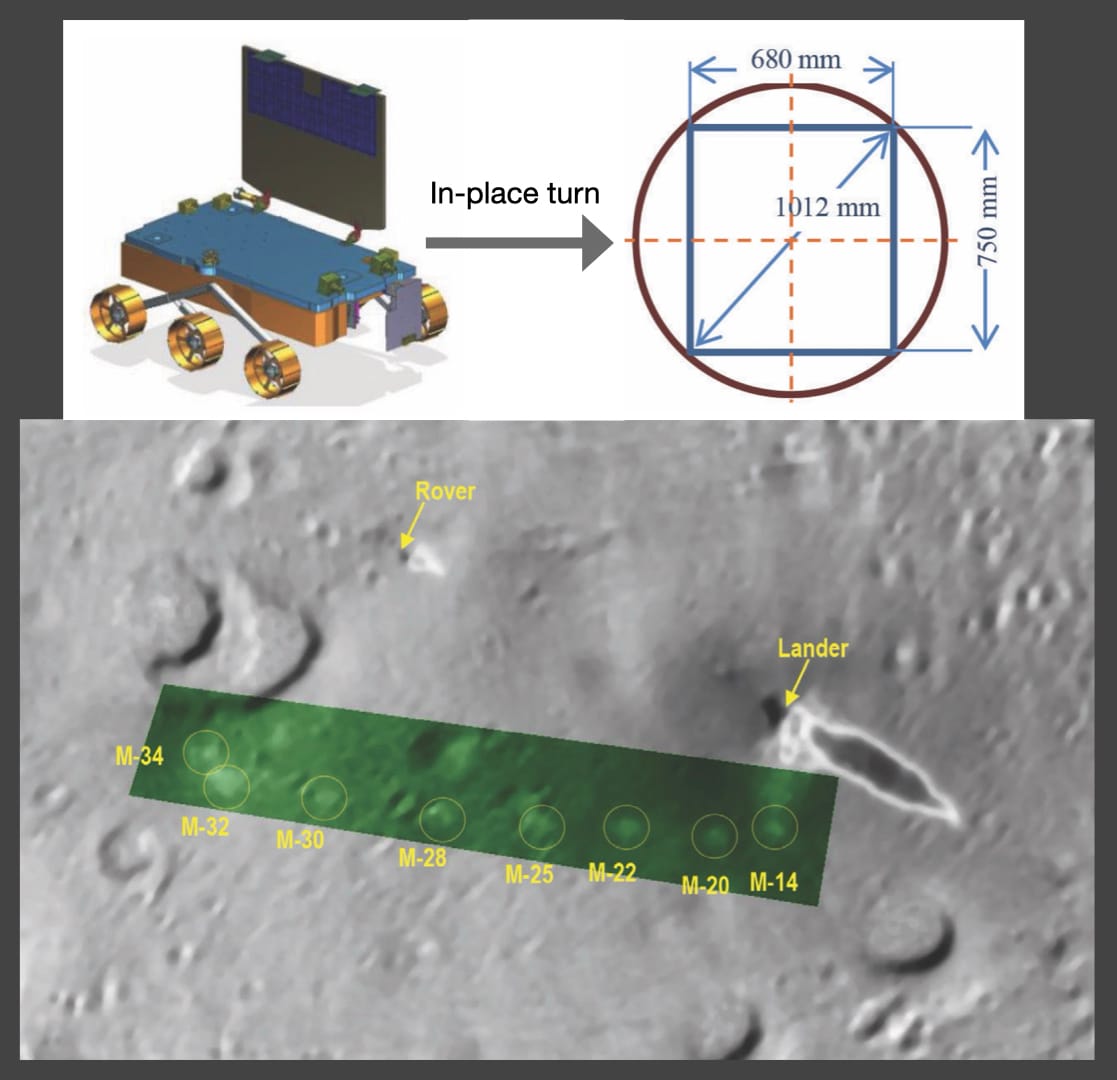
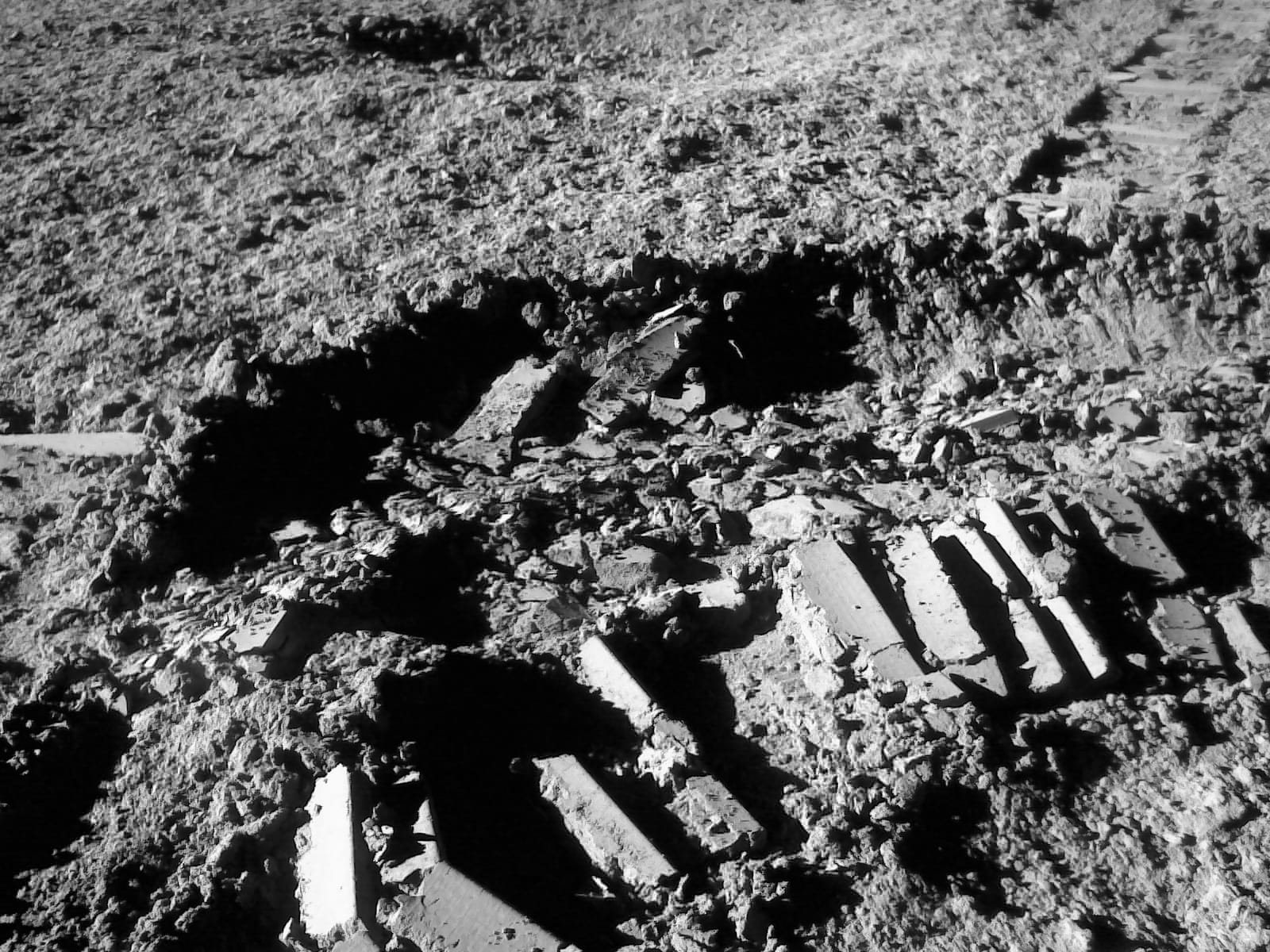
- Researchers used the Chandrayaan 2 orbiter’s high-resolution camera, which is the world’s sharpest lunar imager, to identify sub-resolution tracks of the Chandrayaan 3 rover based on illumination changes. Scientists have also been using the imager to study interactions between the lander’s engine plumes and lunar soil regolith, especially during the time the Chandrayaan 3 lander hopped towards the end of its surface mission.
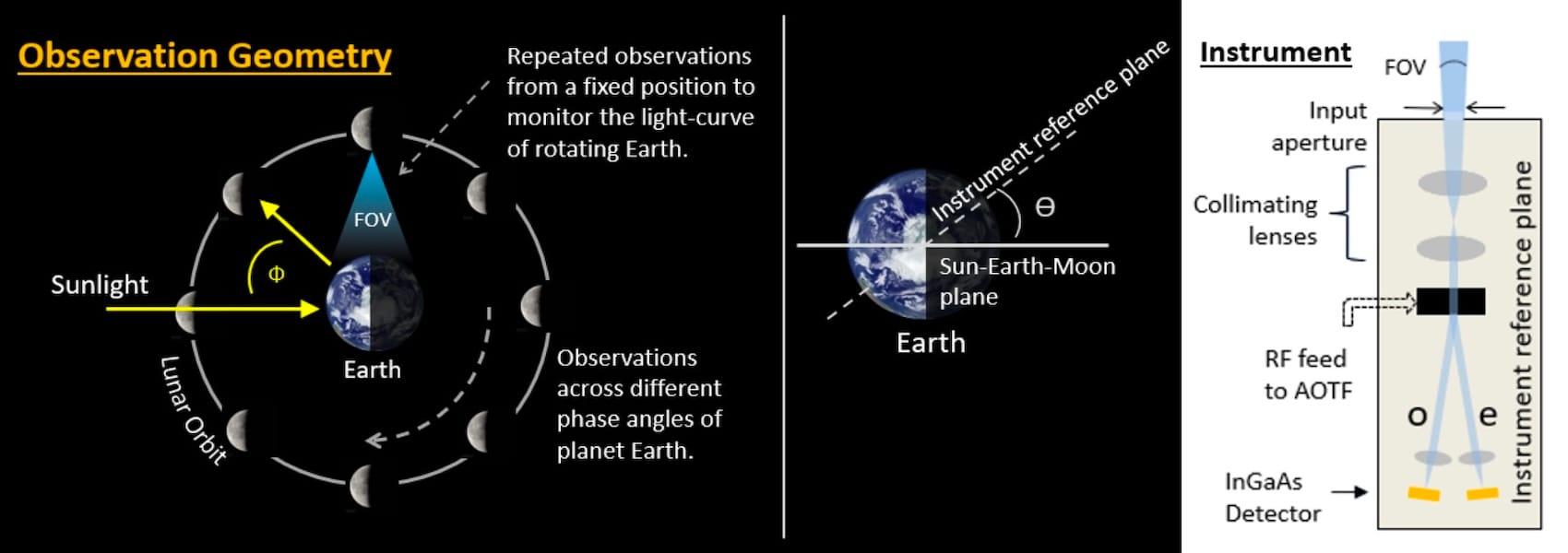
- The Chandrayaan 3 propulsion module observed Earth as an exoplanet from lunar orbit. It’s been more than two years since the intended observations were complete but a paper is yet to come out.
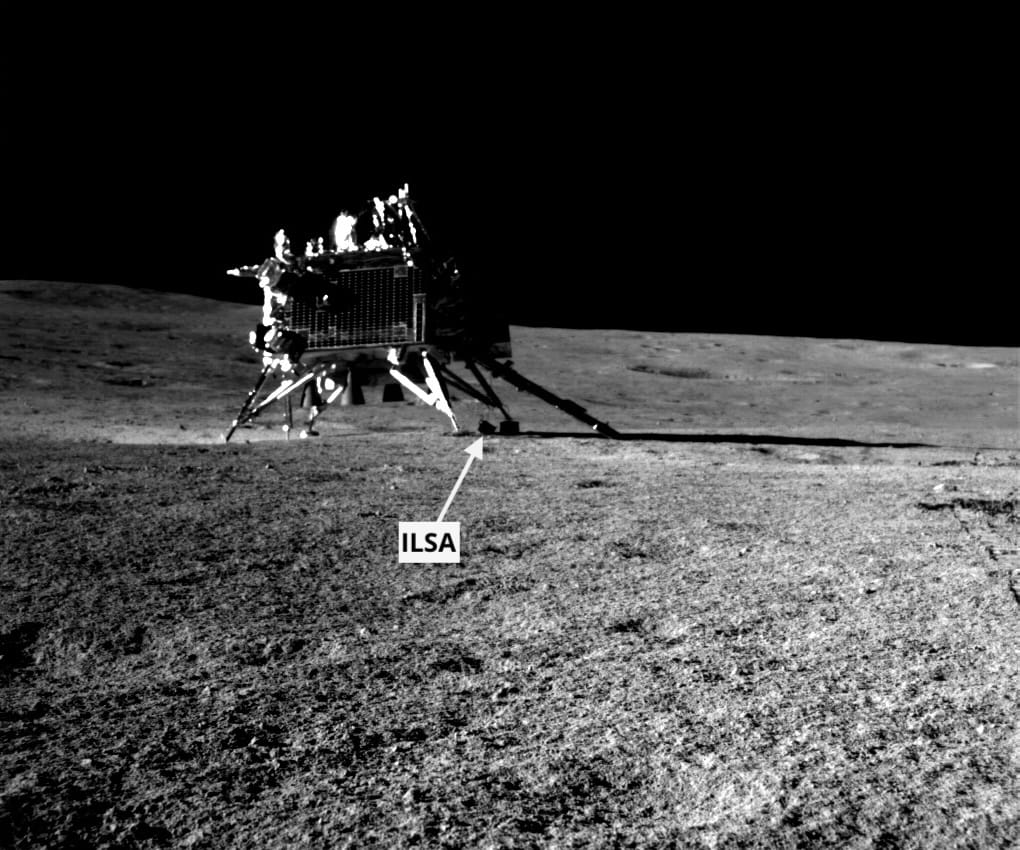
- The seismometer on the Chandrayaan 3 lander, called Instrument for Lunar Seismic Activity (ILSA), was the first since the Apollo era decades ago to measure moonquakes (paper, archived PDF). In the 12 days of its operations from August 24, 2023, ILSA measured 50 natural seismic events, each lasting several seconds. However, an independent analysis by two international scientists published in late 2025 found it more likely that these events were due to mission activities. ILSA also did explicitly detect 200 events correlated to known activities of either the lander, its instruments, or traverses of the Chandrayaan 3 rover. Either way, use of ILSA’s measurements are helping scientists better understand or constrain micrometeorite impacts and their rate on the Moon’s surface at high latitudes. This will feed into safe planning of future polar exploration missions when paired with more upcoming seismic measurements. The nature of micrometeorite impacts is not well constrained at the moment but is necessary to ensure safety of future human lunar explorers by designing protective suits and habitats accordingly.
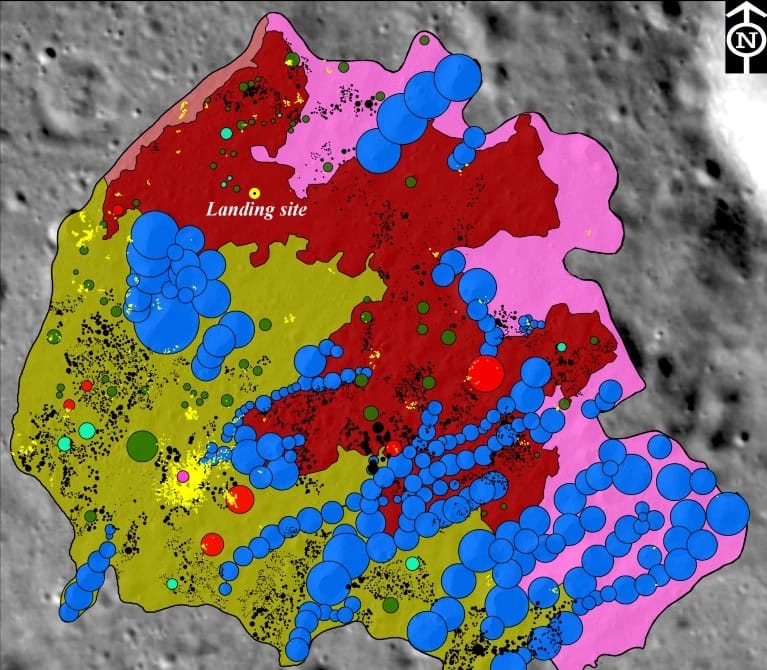
- The first geological map of Chandrayaan 3’s near-polar landing region revealed it to be 3.7 billion years old. The region has been significantly altered since its formation by subsequent impacts and their material ejections.
- Zooming in a bit, scientists have assessed the mission’s landing site to lie above an ancient crater which spans about 160 kilometers across and is up to 4.4 kilometers deep. This inference is primarily based on ejecta trails around the landing site as imaged by the mission’s rover coupled with high-resolution views of the larger region from the Chandrayaan 2 orbiter. Scientists think the ancient crater has been filled with material ejected from subsequent crater-forming impacts in the south polar region. These deposits include swaths of possible mantle material displaced here by the gigantic impact that formed the South Pole-Aitken basin south of the Chandrayaan 3 landing site.
- The composition of the near-polar lunar soil measured by the Chandrayaan 3 rover was used as a reference to create lunar soil simulants for high-latitude rocky highlands. The Moon-like anorthositic rocks needed to make the simulant were sourced from the oceanic-volcanic crust of the Samail Ophiolite Complex in Oman & UAE. Such high-fidelity simulants (defined in context) are used to test lunar hardware and rovers before flight. This work also was done in the context of UAE’s second lunar rover which will fly on Firefly’s second lander part of NASA’s CLPS program later this year.
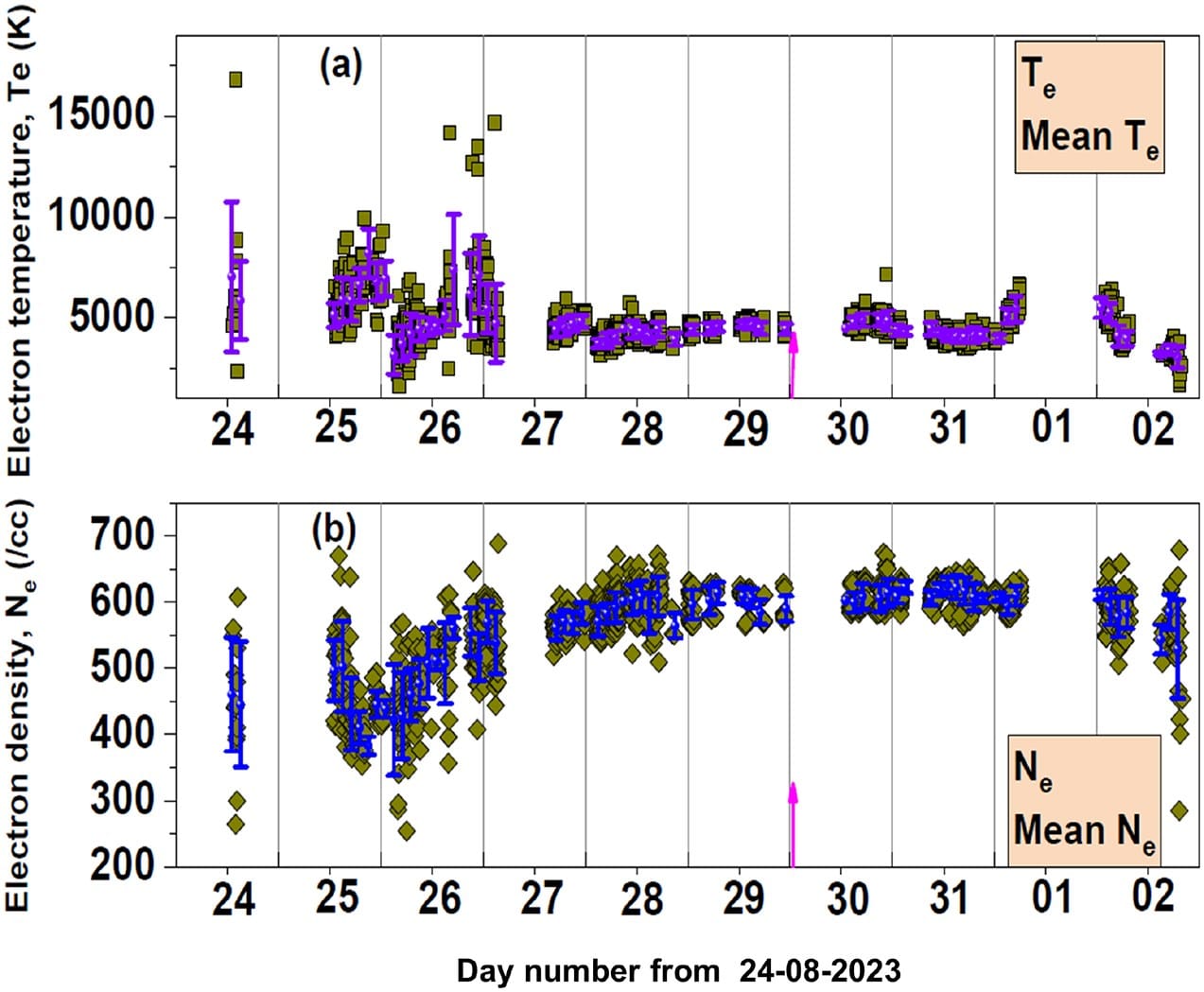
- A dedicated probe installed on the Chandrayaan 3 lander took the first in-situ plasma environment measurements from near the Moon’s south polar surface, providing ground truth data about the nature of charged particles in the region. Scientists found the electron density to be higher than expected. The results are helping scientists better understand how the Sun’s wind of charged particles and Earth’s magnetotail interacts with the Moon’s surface and exosphere. The findings in turn will also help plan radiation protection for hardware as well as astronauts in future near-polar or polar surface exploration missions.
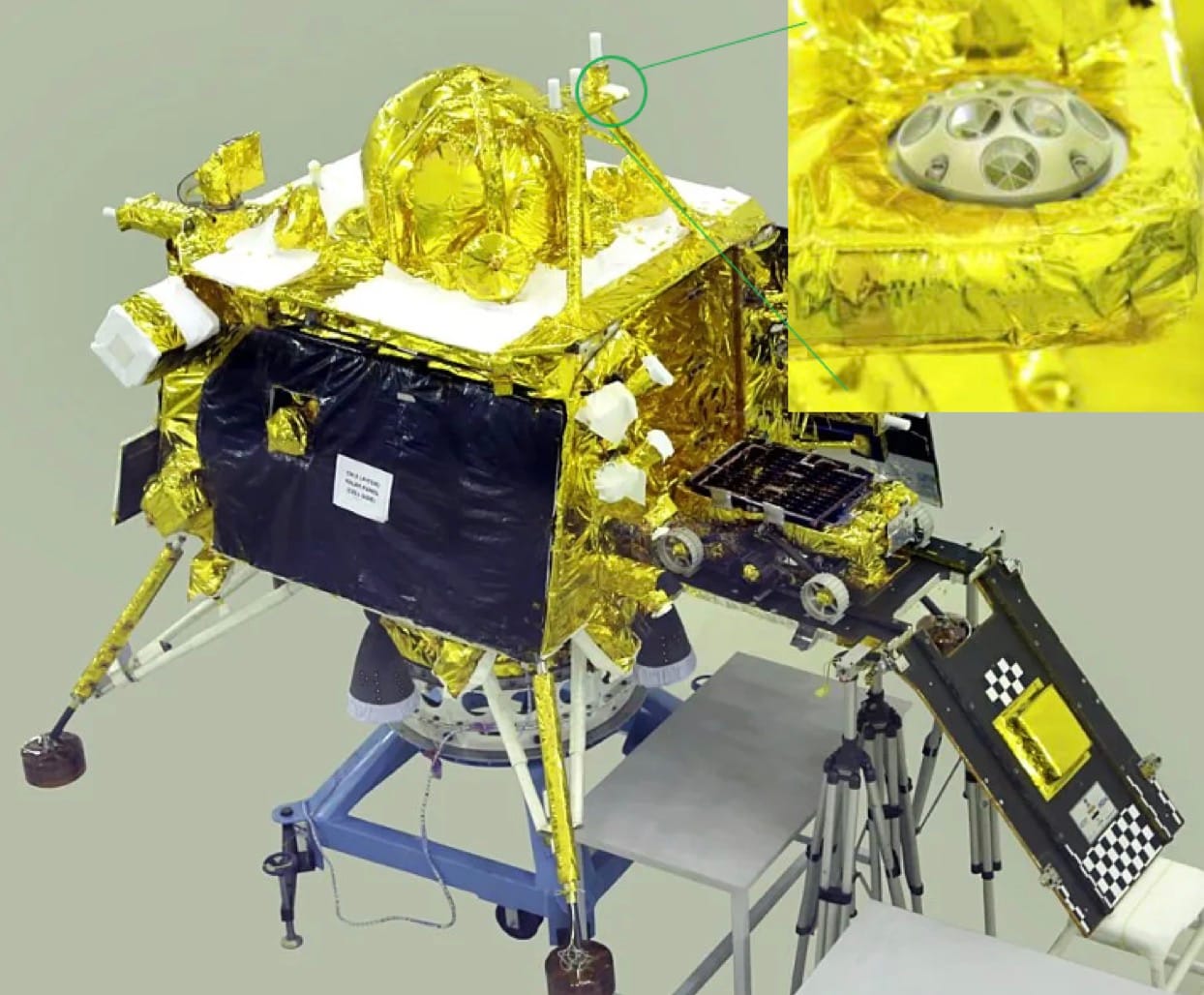
- NASA’s Lunar Reconnaissance Orbiter (LRO) has successfully bounced laser signals off of the 5-cm retroreflector mounted on top of the Chandrayaan 3 lander. Formally called the Laser Retroreflector Array (LRA), it’s a modern, miniaturized version of the ones left on the Moon by Apollo missions, which scientists have been shooting laser pulses at to better understand the gravitational nature of the Earth-Moon system as well as the Moon’s interior. The 20-gram LRA on Chandrayaan 3 validated the utility of such small retroreflectors for range measurements, and as navigation markers for future landers with LiDAR sensors. Furthermore, the LRA team also noted that “laser ranging to LRAs distributed spatially on the lunar surface will provide measurements to improved understanding of the Moon’s dynamics and internal structure.”
The near-polar lunar surface and environment had never been measured in-situ before Chandrayaan 3 arrived. Now our understanding of it has been grounded in measurements just as we prepare to send a wave of Moon missions.
More lunar science coverage 🌙
Many thanks to The Orbital Index, Gurbir Singh and Gordon Roesler for sponsoring Moon Monday. If you too appreciate my efforts to bring you this curated community resource on global lunar exploration for free, and without ads, kindly support my independent writing: