India’s Chandrayaan 4 lunar sampling mission cross-pollinates science, rockets, governance, and human spaceflight
Part 4 of India’s space launch crisis: Why India needs to launch Chandrayaan 4 in time to ensure maximum national and international benefits | Moon Monday #273 and Indian Space Progress #38
Announcement before we begin: I’m excited to welcome Catalyx Space as a returning sponsor of my independent space writing! 🌗

Having raised $5.4 million in seed funding, Catalyx is building fully integrated autonomous labs and re-entry capsules for microgravity and in-space manufacturing studies. The US-Indian company is hiring for multiple roles. 🚀
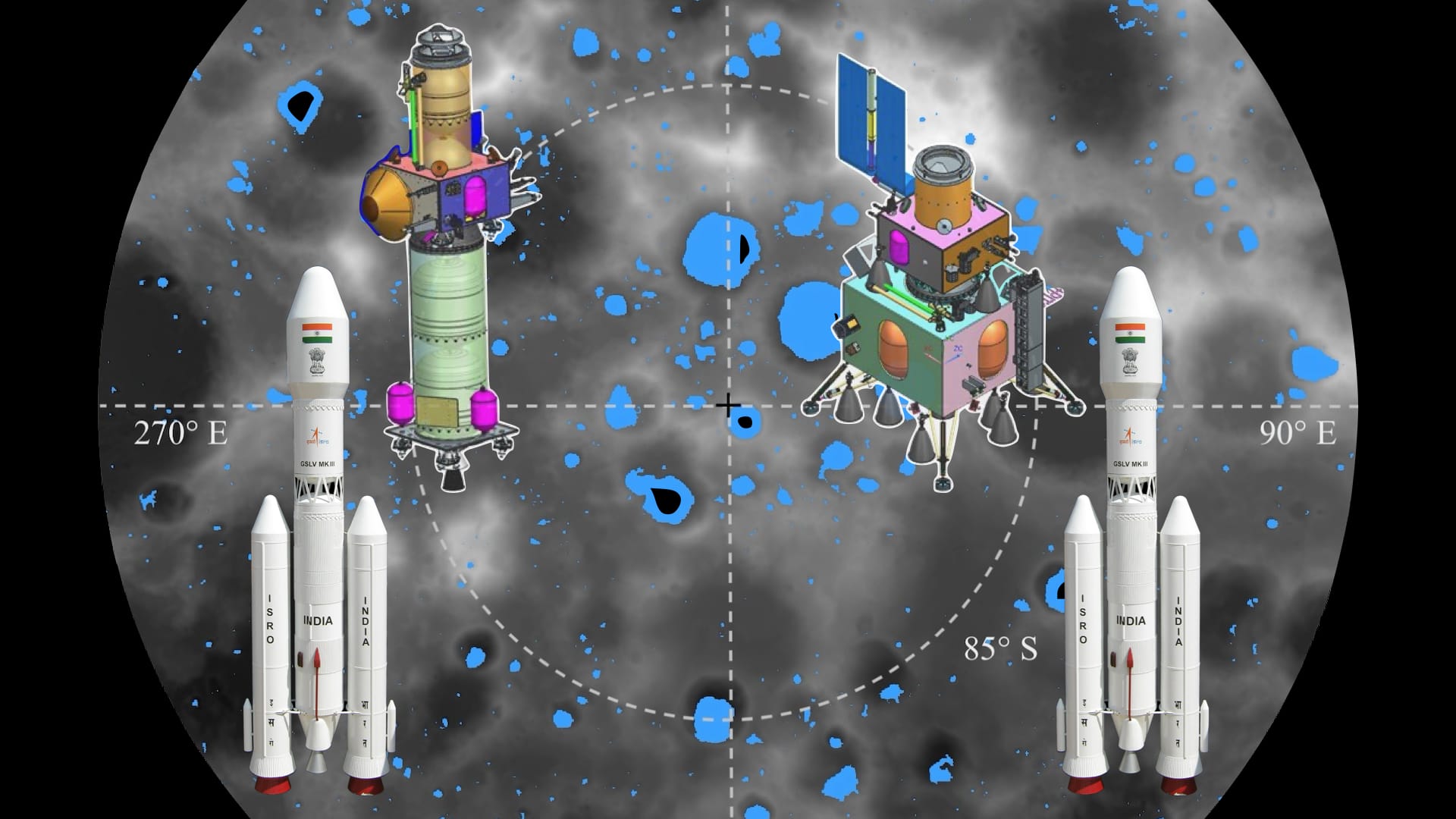
India’s Chandrayaan 4 mission, projected to launch in 2028 by ISRO, aims to fetch soil and rock samples from the Moon’s south pole for scientific and technological studies. If successful around that timeframe, it would be the world’s first mission to bring valuable lunar polar samples, where global interest is converging due to its potential for water ice and other resources. Chandrayaan 4 would not just be a scientific leap for India but also a big step forward for the country’s launch capability, space governance influence, and human spaceflight preparations.
People tend to look at planetary exploration missions in isolation. Some see it as pure, some a waste of money for developing nations like India, and some as unnecessary distractions against the impetus of national and strategic missions. The reality is planetary missions are neither of those things. From the world’s first set of interplanetary missions by the Soviet Union and the US requiring the development of heavy-lift launch vehicles to India’s PSLV rocket being modified to its limits to be able to launch Chandrayaan 1, planetary missions have also catalyzed or even forced leaps in space technology. And because space technology is inherently multi-use, the top tier space powers have always understood planetary missions to be a unique contributor.
In the 21st century, China is perhaps the country that has best understood this dynamic. When its Long March 5 heavy-lift rocket debuted over 10 years ago, the majority of its launches involved planetary missions and human spaceflight ones as planned, including the Chang’e 5 sample return mission, the Tianwen-1 Mars mission, and the massive modules of China’s crewed Tiangong space station. Only two other Long March 5 launches involved China’s Shijian satellites of direct strategic importance. Years later, while ambitious planetary missions like the successful Chang’e 6 and the upcoming Chang’e 7 continue to launch on the Long March 5, the rocket is now primarily positioned for national infrastructure use with launches of China’s satellite internet constellation Guowang. Without those initial set of planetary and human spaceflight missions, the Long March 5 would not have been operational at the scale and cadence it is now. India’s Chandrayaan 4 lunar sample return mission has many parallels and opportunities to what China did with Chang’e 5 as its first such mission in 2020.
Parallels between Chang’e 5 and Chandrayaan 4
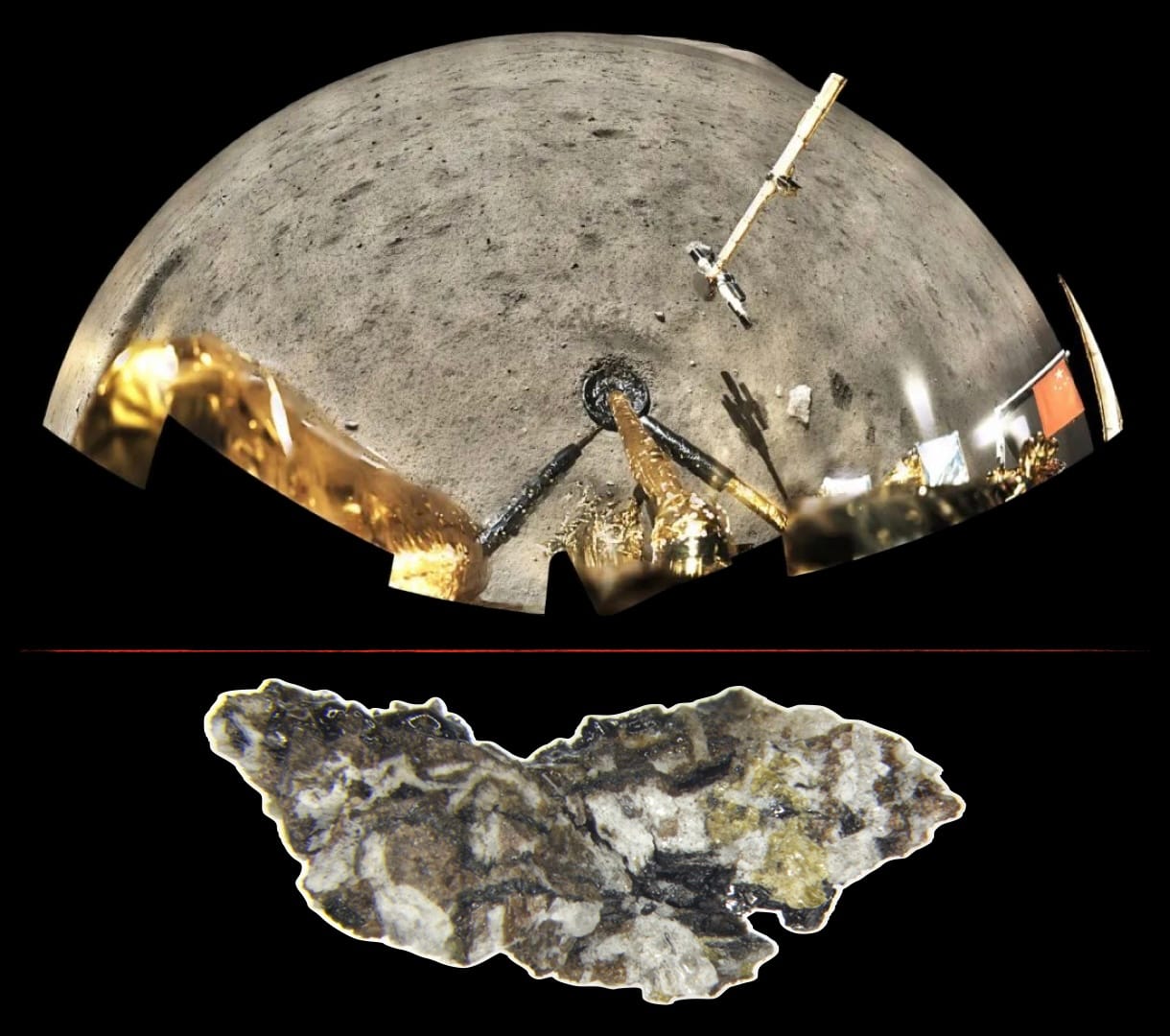
The progress China made because of Chang’e 5 specifically can be grouped in four distinct ways:
- Science: As only the third nation to bring lunar samples, Chang’e 5 brought scientific prestige & value for China. Published studies of Chang’e 5 samples have changed our understanding of the Moon’s evolution. Recognizing the unique geological value of the Chang’e 5 samples, China also shared samples internationally, which has seen interest from universities worldwide and improved China’s global reputation in science.
- Lunar governance: Having demonstrated that China can fetch samples from the Moon, a fact reinforced in 2024 with Chang’e 6, the country now has a potent voice on the space resources table. Paired with its sharing of samples and its upcoming lunar polar missions like Chang’e 7 and Chang’e 8, China can substantially shape the legal and formal norms and behaviors expected of future missions, which will converge and operate at the lunar south pole as they vie for finite resources.
- Rockets: The mission helped catalyze the Long March 5’s existence and its operationalization, lending China a reliable heavy-lift rocket that has been serving the country’s multiple needs and desires in space.
- Human spaceflight: Chang’e 5 involved a complex orchestration of four large spacecraft modules, including unprecedented remote undocking & docking of modules around the Moon. The series of steps and events involved allowed China to practice the same ahead of executing crewed Moon missions, which will utilize a scaled up version of the same baseline architecture.
With Chandrayaan 4 aiming to bring two kilograms of scooped plus drilled lunar polar samples, India stands on the precipice of gaining exactly the same kinds of international leverage and scientific & technological capabilities. However, ensuring the same depends on the nature and timing of execution, where challenges confront India as discussed below.
Chandrayaan 4’s unique scientific value and role in lunar governance
NASA’s Apollo missions helped scientists confirm that our celestial companion had a fiery origin tied to Earth. On the other hand, its contemporary Soviet Luna missions were the world’s first robotic sample return missions, establishing the modern approach that fetching planetary material to Earth generates scientific results for decades. Samples fetched by China’s Chang’e 5 confirmed that the Moon was volcanically active and thermally complex geologically recently. And Chang’e 6 transformed our understanding of how our Moon evolved thanks to the first ever samples from the mysterious lunar farside.
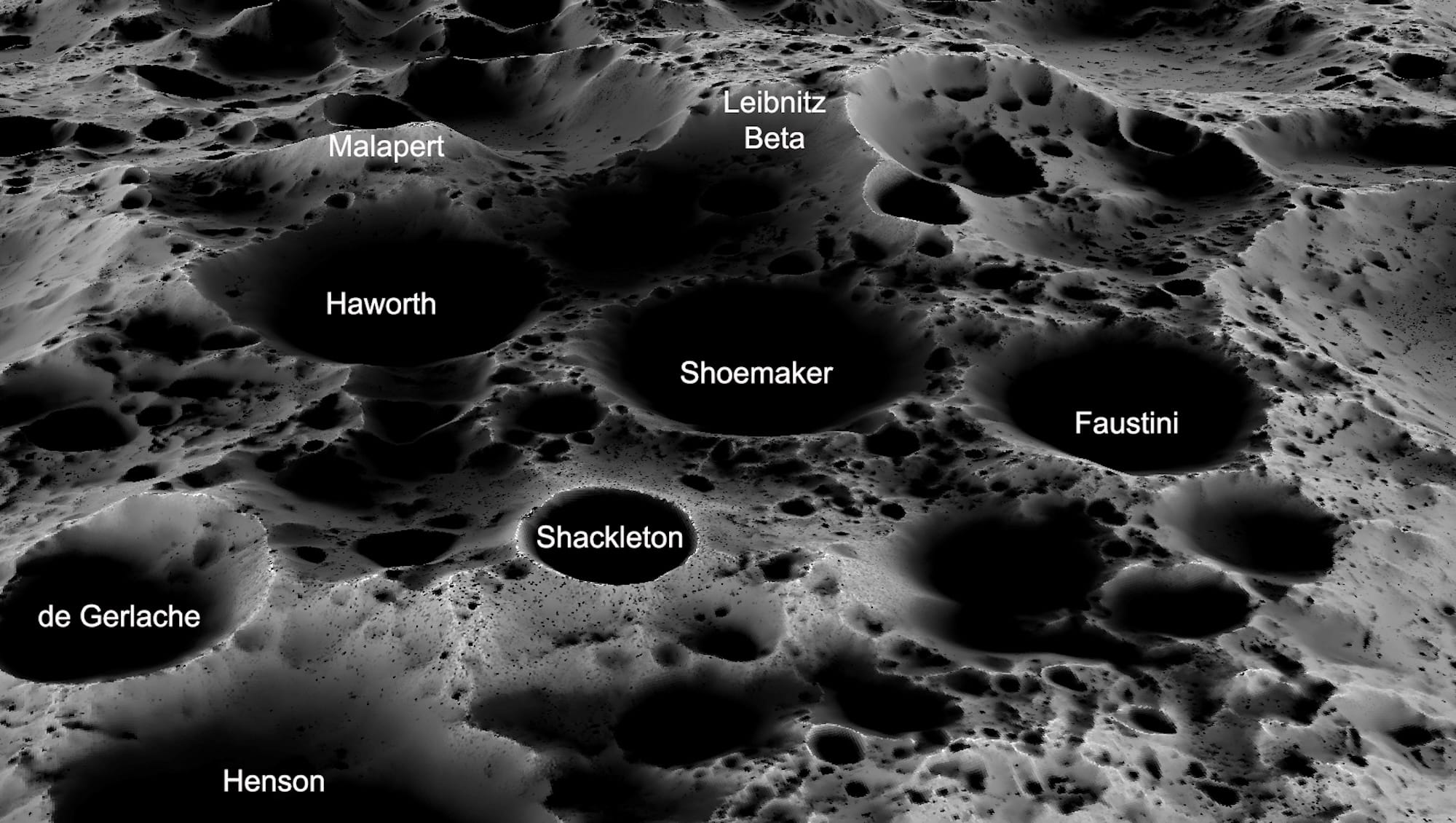
As I wrote in the article ‘Why explore our Moon’, for us to continue piecing together the complex and nuanced origin and evolution of the Earth-Moon system, we need to continue fetching distinct geological material so that our world’s lunar samples represent more of the Moon—a trend started by Chang’e missions. We currently don’t have any samples from the lunar poles, including potential water ice mixed with regolith in there. It’s important to understand this water’s sources, its abundance, and how it is related or unrelated to Earth’s water. Said knowledge is equally crucial in helping us plan sustained lunar exploration and build future Moonbases, including through sample-derived lunar soil simulants necessary for high-fidelity hardware & rover testing. When Chandrayaan 4 brings unique lunar polar samples to Earth, it will help humanity make its first tactile advances into these fundamental open questions about our Moon, Earth, Solar System, and future in space.
For a nation that began planetary exploration only this century with Chandrayaan 1, a sample return mission is a giant leap in ambition. To ensure tapping into its full scientific potential though, preparations will be needed to have the samples be studied as widely as possible nationally and internationally. ISRO has started off with national level preparations, including meets of a few dozen scientists, brief workshops for students, and planning of a sample curation facility. But these are only starting points.
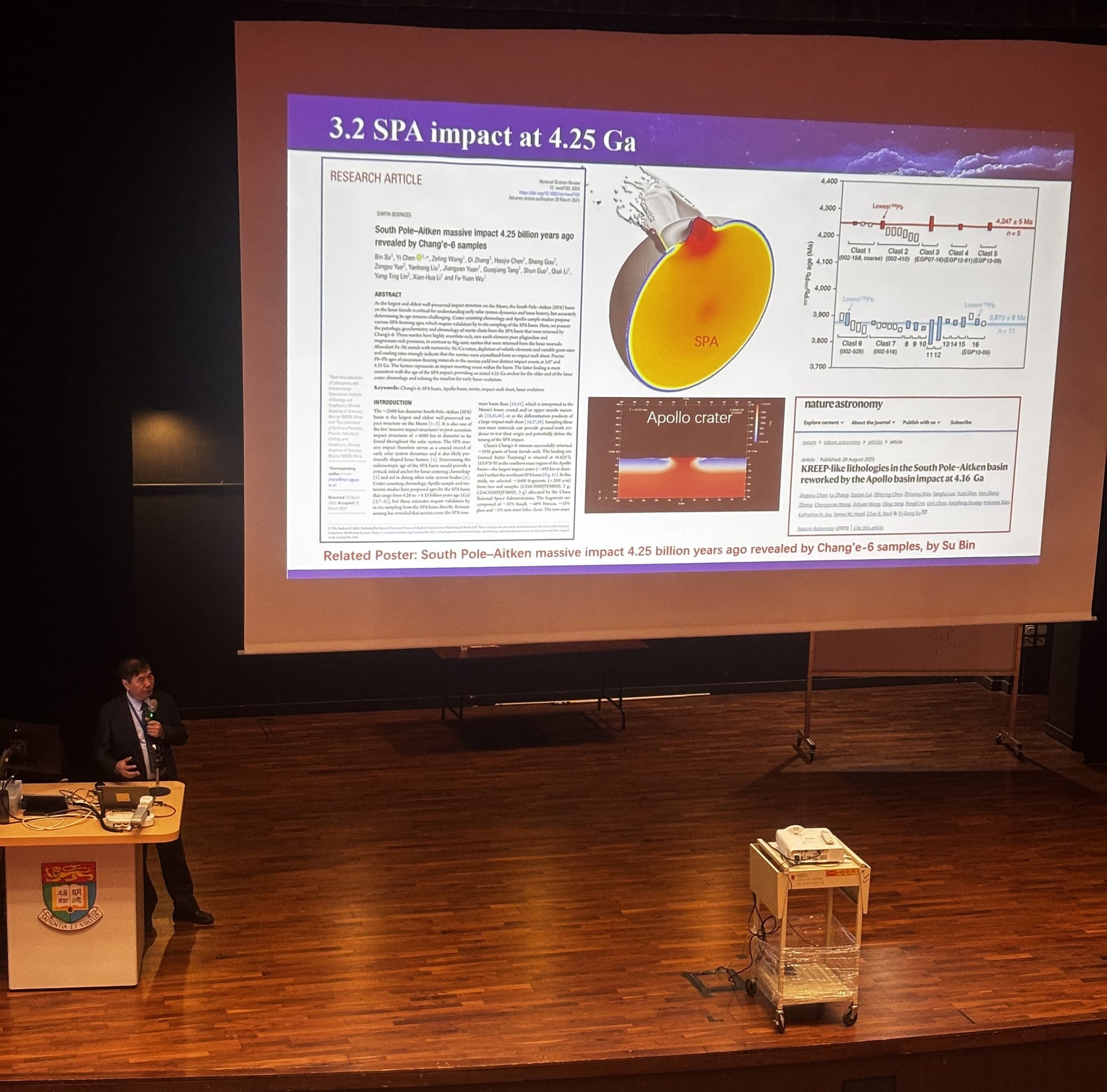
Indian scientists haven’t been applying to study Chang’e 5 samples during international proposal rounds. If Indian researchers and mission planners went through the logistical process of proposing Chang’e sample studies and then getting & storing them, it would provide India with a good programmatic sense of things it would also need to do to share Chandrayaan 4 samples when its time comes. Even if indirect, this experience would still span a good sense of China’s storage facilities, the initial characterization and cataloging of samples, its transport systems, and so on. Sure, India could also pick up such things from how NASA manages Apollo samples but that system is utterly expensive and distinct, having been forged during a different era of budgetary freedom during the Cold War. Russia’s Luna sample facilities are also not as relevant for today’s era while asteroid samples lack the same scale and applicability. In contrast, the scale and scope of China’s lunar sample facilities are more in reach for India to replicate while being modern. Creating a similar system is non-optional if India wishes to maximize the scientific output of Chandrayaan 4. And yet even in the second round of international proposals for Chang’e 5 sample studies opened up last year, no Indian application was sent in from any institution, ISRO or otherwise. Neither were any Indian national scientists present at the International Lunar Sample Research Symposium hosted by China at the University of Hong Kong last November.
Doing any or both of these things could’ve been an enabler for even more valuable scientific exchanges with the Chinese, such as a literal sample exchange, a mechanism known to work very well in the past and present worldwide, like the recent asteroid sample swap between the US and Japan. With Chandrayaan 4 lunar samples in hand, ISRO should not only open up the samples and its findings for worldwide access, it should also initiate a sample exchange program with China as well as the US, swapping Chang’e and Artemis samples respectively for Chandrayaan 4 materials. With such a program, all three nations will benefit in terms of their scientific outputs, geopolitical gains, and international relations. A win-win for all, and for humanity.
Chandrayaan 4 will lend India a seat at the space resources table by its possession of unique lunar polar samples of global interest. But failing to even aim to achieve Chandrayaan 4’s peak scientific potential as discussed above would ironically also reduce India’s ability to leverage that hard-earned seat meant to improve lunar governance. The ground truth of the science and associated technical data from Chandrayaan 4—and from its complementary Indo-Japanese surface mission Chandrayaan 5—will be valuable to feed into the planning and execution of future robotic and crewed missions exploring the lunar poles. For middle space powers like India and Japan, using their capabilities and partnerships to play targeted swing roles and intentionally shape space governance norms is the best global impact they can make. India needs to not only gain this leverage but ensure that it is exercised in ways that maximally meets its space exploration goals while producing and strengthening positively influential relationships with international partners.
What aggravates the need to act aptly on gaining Chandrayaan 4’s peak scientific and diplomatic benefits is that the window to do so is closing swiftly while launch vehicle delays mount as we see below.
Chandrayaan 4’s launch situation, relevance to human spaceflight, and the ticking timer
The Chandrayaan 4 mission consists of five spacecraft modules:
- the lander (descender module)
- the propulsion module
- the ascender module
- the sample transfer module
- and the Earth reentry capsule module.
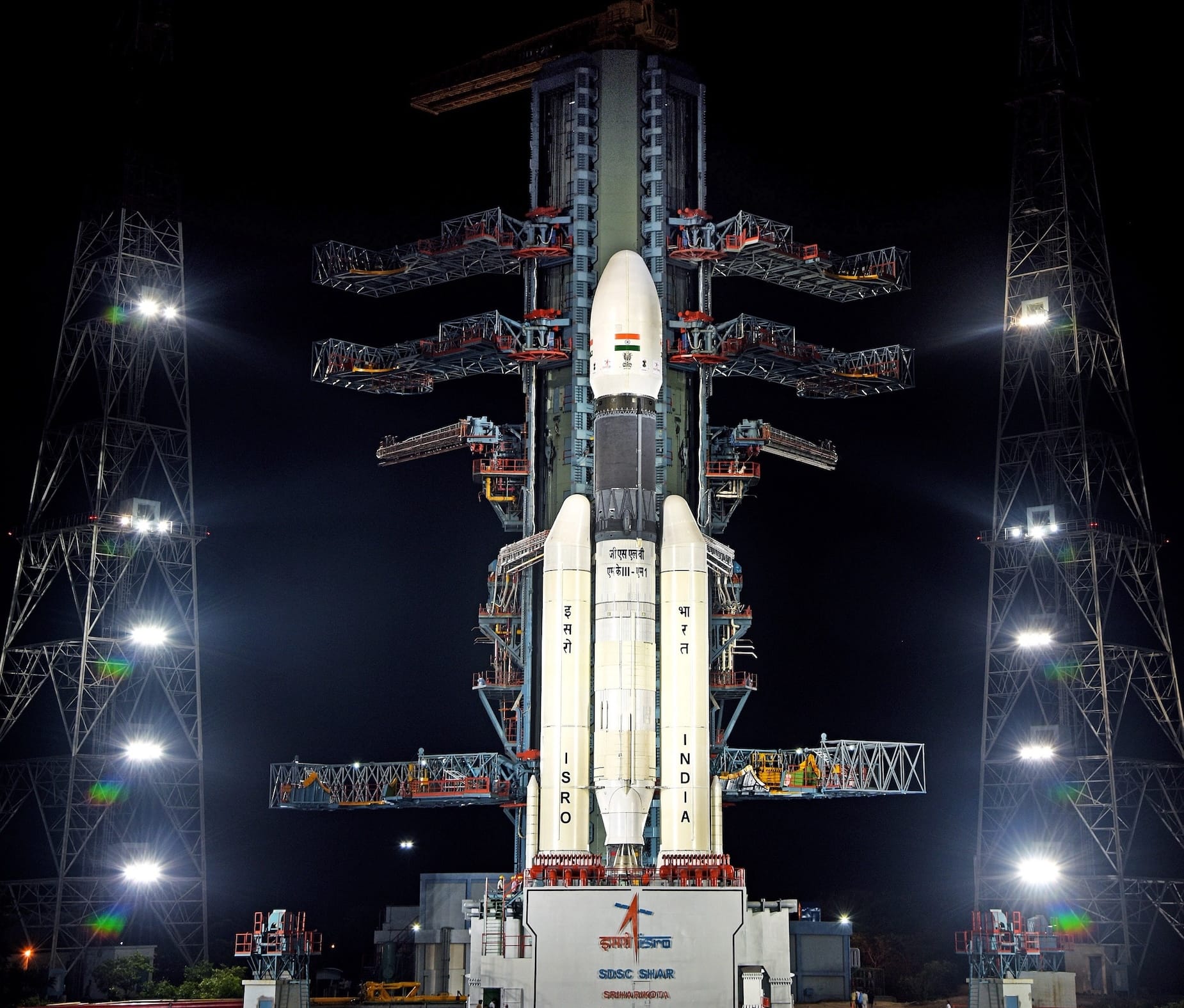
ISRO plans to launch these modules in two stacks, each currently weighing about 4600-4800 kilograms. However, each stack’s mass still lies beyond the reach of India’s current most powerful rocket, the Launch Vehicle Mark III (LVM3)—the same vehicle which launched Chandrayaan 3. To enable the launch of Chandrayaan 4, ISRO plans to upgrade LVM3’s core stage with the SE-2000 semi-cryogenic kerolox engine. This would increase LVM3’s lift capacity to GTO orbit from about 4400 kilograms to almost 5000, allowing an LVM3 each to launch a Chandrayaan 4 stack to such an orbit while also leaving some margin for mass changes during development.
For the mission, each spacecraft stack needs to be launched roughly within a month of each other to ensure correct Earth-Sun-Moon geometries needed to execute the mission. Because of the way India’s launch infrastructure is built, the LVM3 can only launch from the Second Launch Pad (SLP) at Sriharikota. While ISRO demonstrated a pad and launch turnaround time of about 50 days last year, that was with one of the LVM3s being prebuilt earlier in the year expecting an earlier launch. With Chandrayaan 4, the launch turnaround time will have to be about 30 days. This swift cadence will also be necessary for when ISRO launches human spaceflight missions later this decade, wherein it will have to maintain an LVM3 vehicle on emergency standby. Just late last year, China successfully demonstrated such an emergency launch to ensure astronaut safety at its space station, a grateful verification of working redundancy measures. Moreover for India, even ISRO’s plans for eventual crewed Moon missions relies on a scaled up version of the docking-based architecture that Chandrayaan 4 will employ. The mission experience is thus important for long-term human spaceflight as well when India’s Chandrayaan and Gaganyaan programs converge.
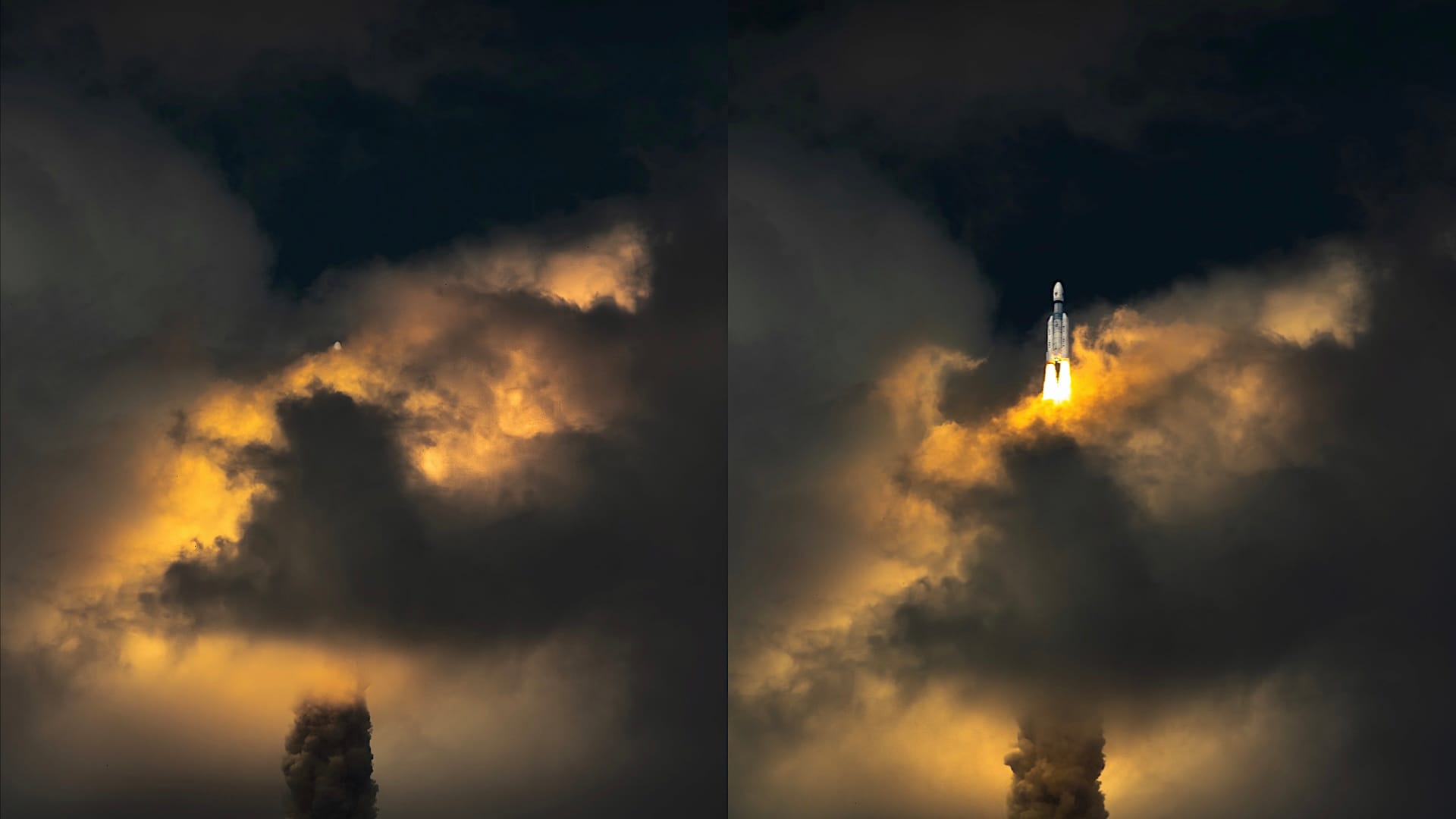
Unfortunately, LVM3’s semi-cryogenic upgrade has been delayed for a decade already at this point. The existing LVM3’s first launch as a complete vehicle in 2017 was itself years late. Since then, the LVM3 has lifted off of Earth only seven times. Its low production capacity and launch readiness—though acknowledged and stated to be increased—previously delayed Chandrayaan 3’s launch as well as postponed India’s upcoming, scientifically important Venus orbiter mission by five years. With indigenous efforts to launch a semi-cryogenic LVM3 stalling despite ISRO’s claims of making “breakthroughs”, India is now looking to procure semi-cryogenic engines from Russia for initial missions. However, the expected manifestation timeline for the same looks to be 2029, which would delay Chandrayaan 4 by at least a year.
If it turns out the semi-cryogenic LVM3 isn’t ready for Chandrayaan 4 at all, the mission will have to be reworked to reduce mass across the board enough such that the existing LVM3 can launch the mission. This would substantially reduce both the quantity and quality of sampled lunar material, in turn also reducing the expected scientific returns and associated diplomatic leverage. Moreover, the majority of India’s upcoming space station modules also rely on the semi-cryogenic LVM3 to be available, especially because an operational heavier sovereign rocket is not planned until the 2030s. While the initial two modules might go on regular LVM3, the masses are too close to maximum capacity to keep sufficient redundancy in rocket performance. As such, Chandrayaan 4’s launch delay is simultaneously a delay in initiating the country’s space station as well as lofting any other such mass-heavy mission.
Much like how Chang’e 5 launching on a Long March 5 was the prelude to influential capabilities and missions to come from China, realizing Chandrayaan 4, and so in time, would be that signifier for India we can’t afford to lapse on. A delay of more than a couple of years in launching Chandrayaan 4 would mean both the US and China can be in a position to plan and execute a robotic lunar polar sample return mission faster themselves. [Artemis and China’s crewed missions will target non-polar landing sites initially for safety and relative simplicity.] The moment any of them bring lunar polar samples before Chandrayaan 4, India would lose a substantial chunk of the scientific, technical, and diplomatic value & leverage it could have had.
The fourth Chandrayaan mission is also the one with quadruple incentives. But the launch window to leverage the whole quadrant has come with a ticking timer.
This was part 4 of India’s space launch crisis
This article is part 4 of my ongoing series on India’s launch vehicle crisis. A space program can only move as swiftly as its orbital rockets, and India right now is amid a grinding halt. As such, I’m focusing my Indian Space Progress blog & newsletter on fully exploring this situation before resuming coverage of national space activities at large.
- Part 1 of the article series reviewed the state of India’s orbital launch vehicles, revealing a bleak picture of ambitious goals sliding to the right—in stark contrast to the incessant chest thumping about efficiency.
- Part 2 analyzed the intricacies of ISRO’s launchpad infrastructure, showing how every PSLV rocket failure cascades effects to all Indian rockets in direct or indirect ways.
- Part 3 assessed and concluded that India’s rockets will not be able to meet its civil space and strategic launch manifest even at peak performance.
- Part 4, which is this article, shows how Chandrayaan 4 is deeply tied to India’s launch vehicle and human spaceflight programs, and how the specific rocket it needs is also the catalyst required to better manage India’s launch crisis.
Many thanks to Takshashila Institution, Catalyx Space, PierSight and Gurbir Singh for sponsoring Indian Space Progress. If you too appreciate my efforts to capture nuanced trajectories of India in space, provided to space communities worldwide for free and without ads, kindly support my independent writing: