Artemis II astronauts gazed at our Moon with joy, curiosity, and reverence. Through finer robotic orbital views, so can you.
Thanks to our robotic explorers, and the great leveler that is the Internet, you too can “Copy, Moon joy.” | Moon Monday #270
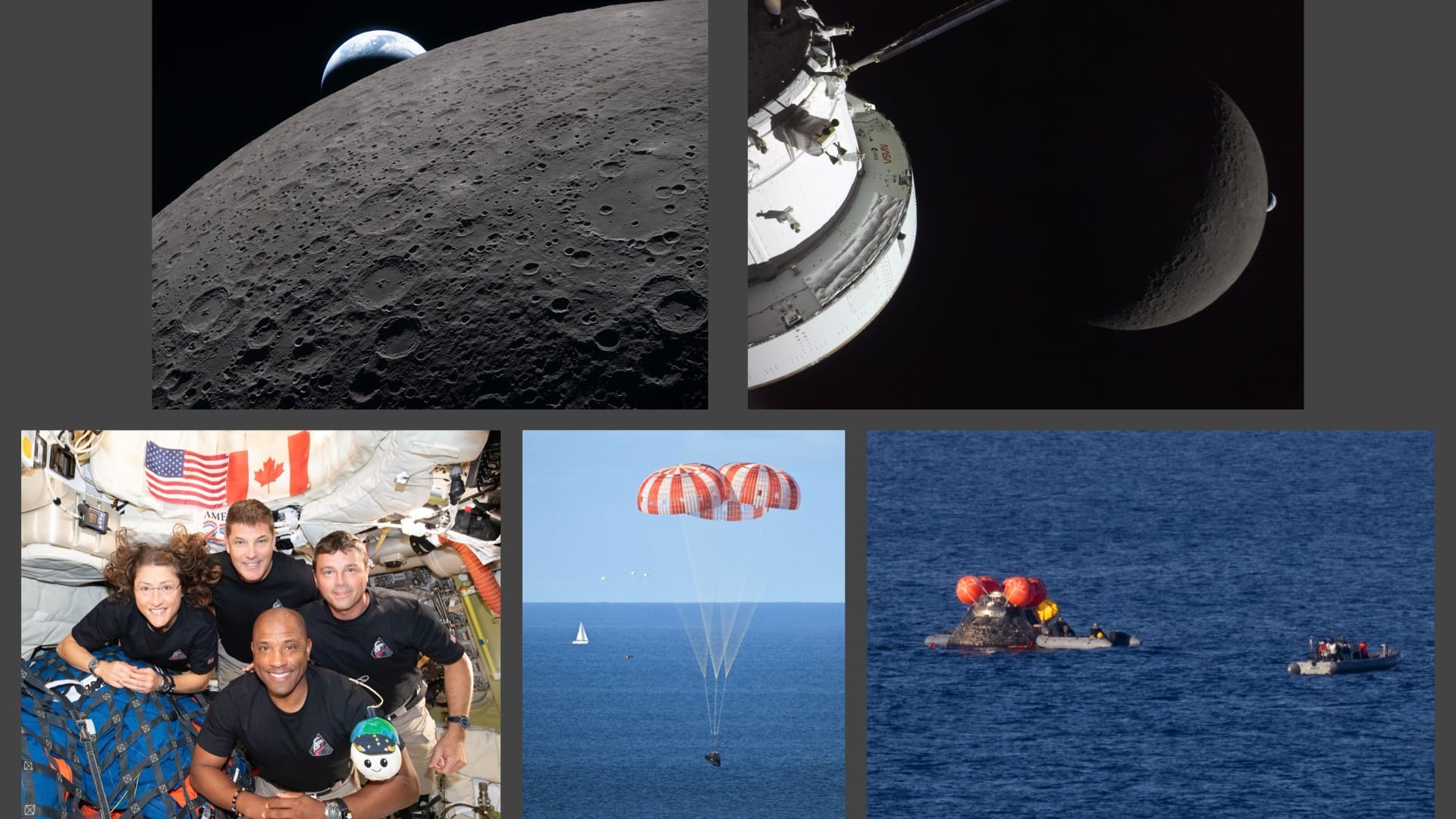
After five decades of human absence at our Moon, the four astronauts of Artemis II marveled at a stark lunar landscape on April 6 as their Orion spacecraft swung them around our cosmic companion. This was followed by a return journey of about four days, after which the Orion capsule slammed into Earth’s atmosphere at nearly 40,000 kilometers per hour to go through a fiery but orchestrated reentry. The steep reentry profile made the astronauts briefly experience peak gravitational loads of four times of what you and I feel on Earth’s surface. 14 minutes after first hitting Earth’s atmosphere, the capsule splashed down on sea under parachutes, bringing the astronauts safely back home. The mission’s technical performance has been largely great. Other than the toilet clogging up and a minor helium leak, Artemis II achieved major technical milestones in the US’ lead up to eventually landing humans on the Moon again. In the process, Artemis II also made “why haven’t humans gone back to the Moon?” no longer a valid question.
When swinging around our Moon, the astronauts saw a cratered and mountainous section of the lunar farside previously well studied through robotic orbiters but largely not seen directly by human eyes during Apollo missions. The beautiful lunar views were seen to rejoice and intrigue astronauts & mission scientists. Like choco-chips and cream on cupcake, the serene selene views were elevated by sights of Earthset, Earthrise, and a by-chance solar eclipse from the vantage point of the astronauts.
During the flyby, the astronauts noted an array of geological features from Orion’s windows, particularly the massive 930-kilometer Orientale basin with its volcanic plains and crowning mountain rings. The crew also saw many large craters with central peaks popping on the farside.
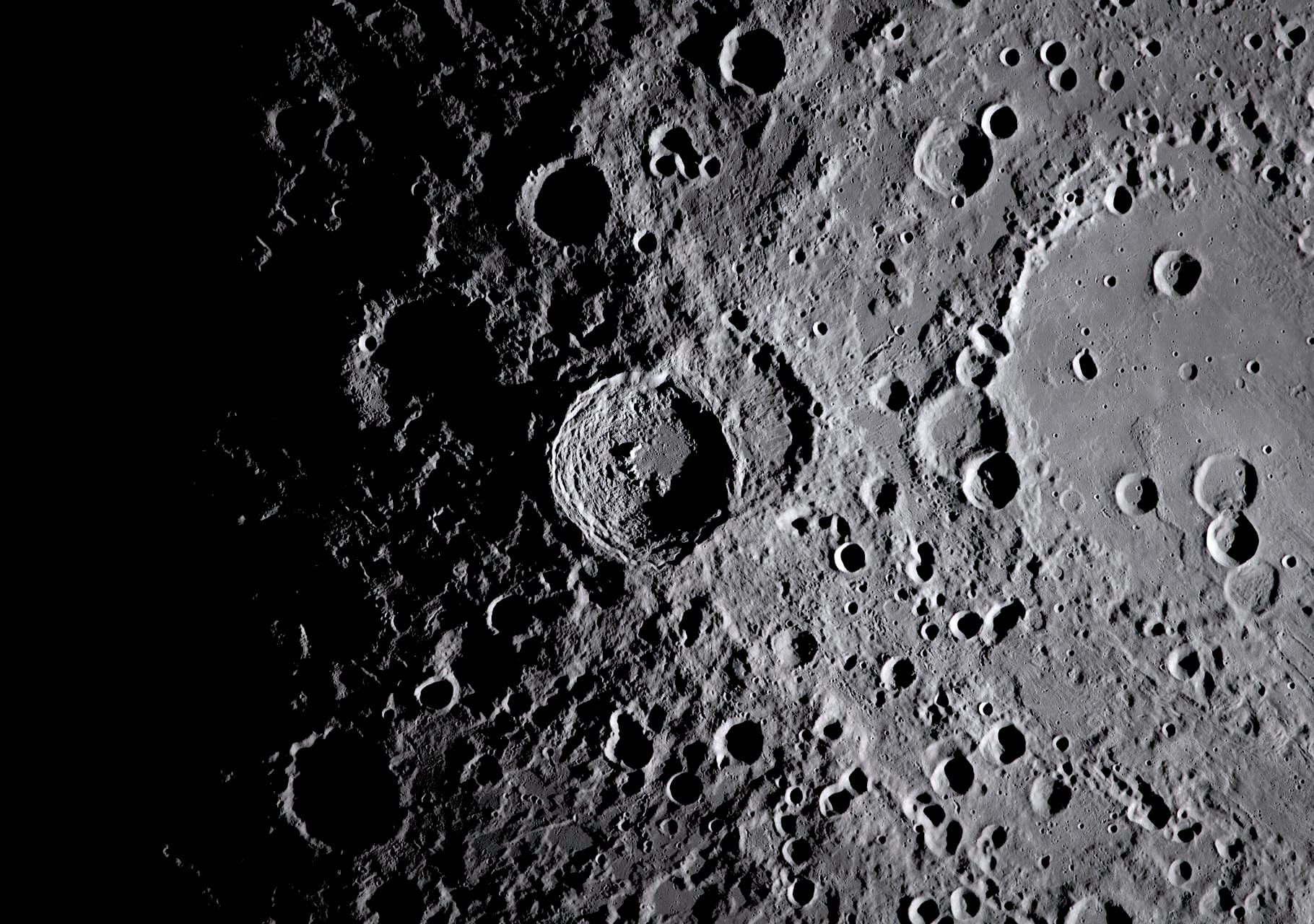
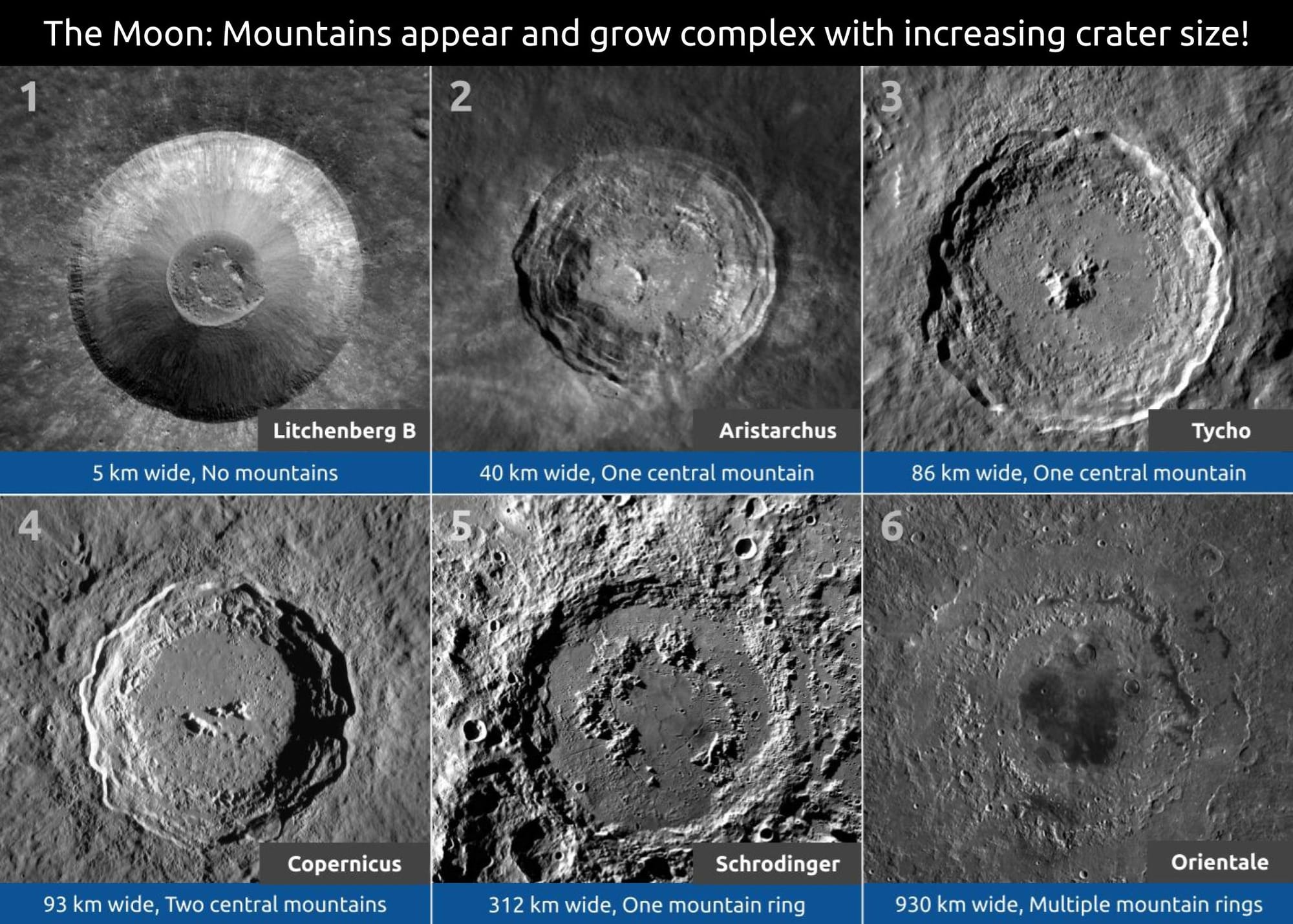
Fun fact: Unlike mountains on Earth, most lunar mountains are formed near instantaneously—geologically speaking—from large impacts. Linked below is my article exploring how the shapes of the Moon’s craters and their mountains morph with increasing impact size, and how it helps us better understand planets at large.
In one of the most shared pictures of our Moon and Earth from Artemis II, you can also spot many bead-like crater chains radially emanating out of Orientale. Created from huge blocks of falling material thrown across the Moon during Orientale’s energetic formation, many of the numerous craters forming the chains span around 5–15 kilometers each. I’ve annotated said Artemis II image below to highlight two crater chains and thus the massive scale of Orientale’s impact. That you can view these on the scale of the lunar globe is mind blowing.
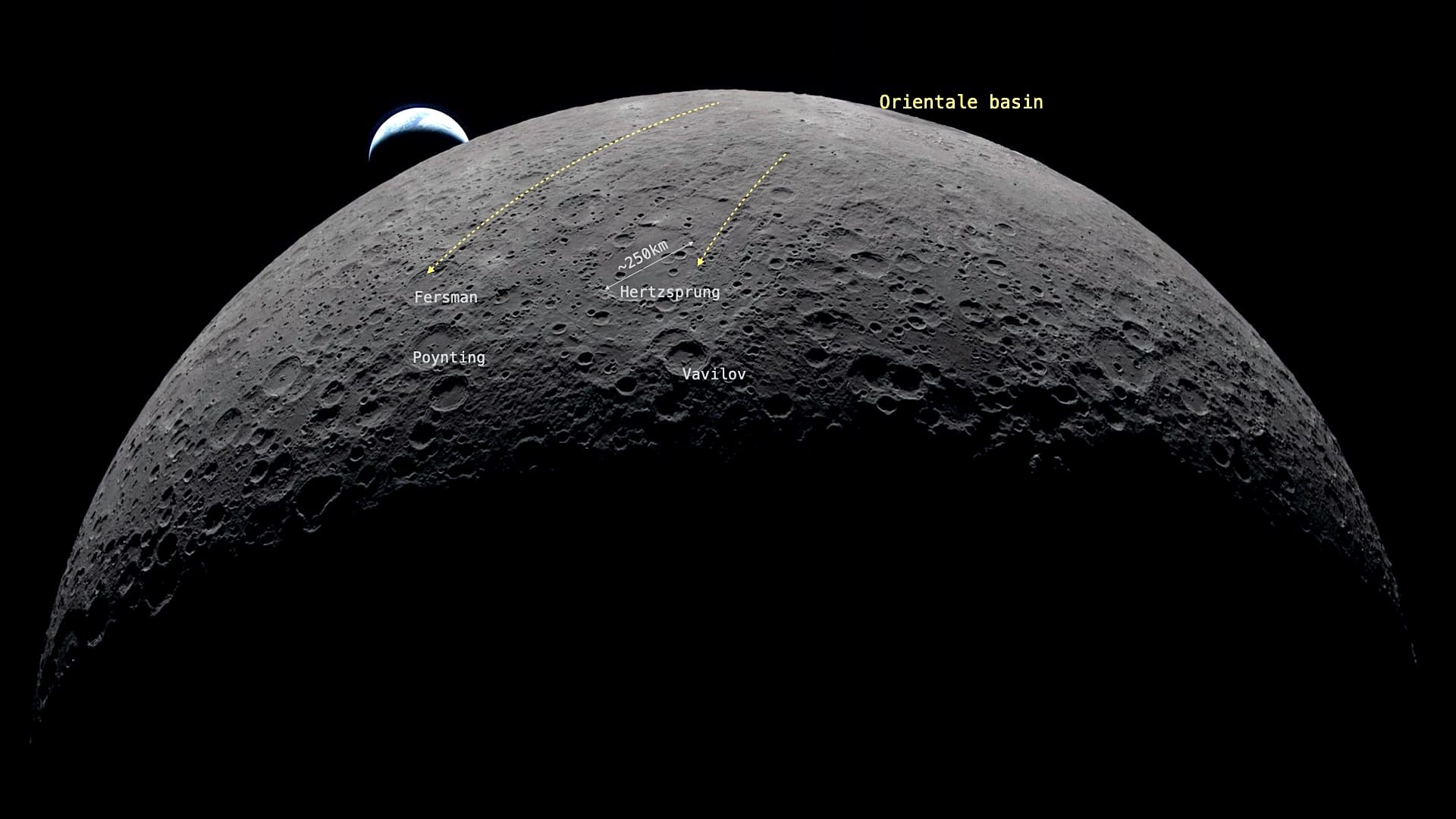
You can browse this same view on an interactive Moon map thanks to NASA’s robotic mission called the Lunar Reconnaissance Orbiter (LRO), whose imagery and data was extensively used to plan Artemis II’s lunar flyby.
Selene, smashed not shattered
My poetry on the Moon which I shared again last week after 2022 has been featured on Nature’s newsletter 🌙. Today, I bring you another poem to capture and metaphorically reflect on the striking, geologically rich lunar landscape we all could see through the eyes of the Artemis II astronauts.
Tucked in a tiny timed capsule
against its wonky, worldly windows
mesmerized the momentary Moonfarers
at sweeping sights of Selene
Creased by craters and crowning peaks
melts and mountains molded in weeks
amid barrages of ballistically laid beads
lingered the landscape of Luna
What the world could view
is impact not as distant
through the capsule crew
For a world bent and battered
showed that it wasn’t shattered
that it was weathered, not withered
trembled, not tamed or tattered
Just like the proud people
on our pretty planet
defending their dignity
with greater gravity
What the world could view
is impact not as distant too.
When will that brew?
Savor splendid sights of Selene
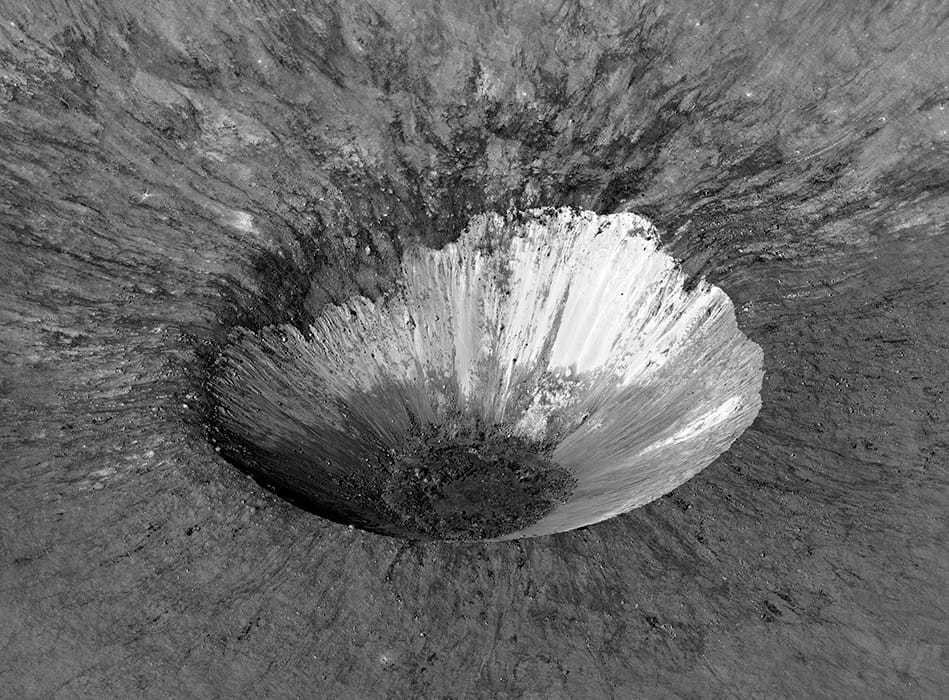
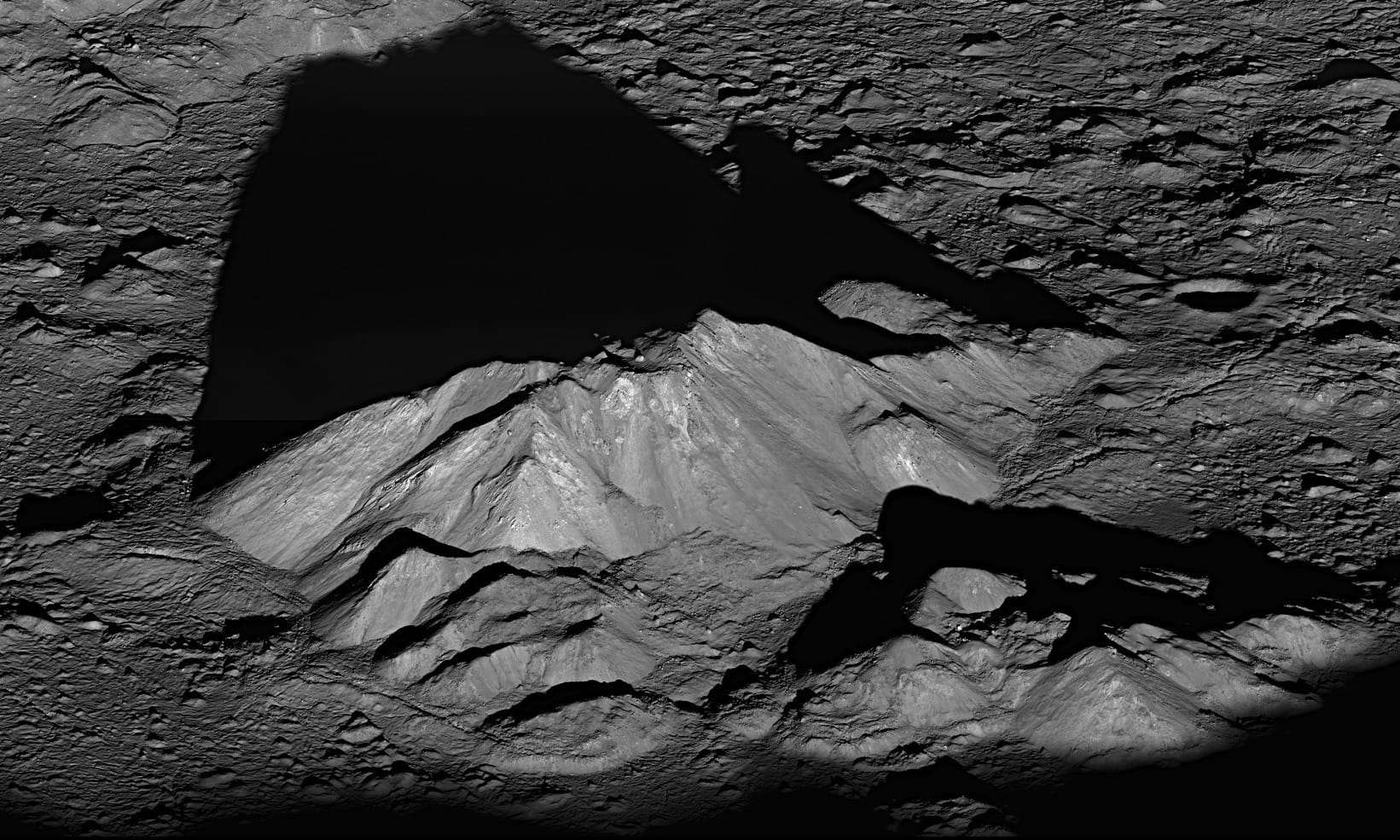
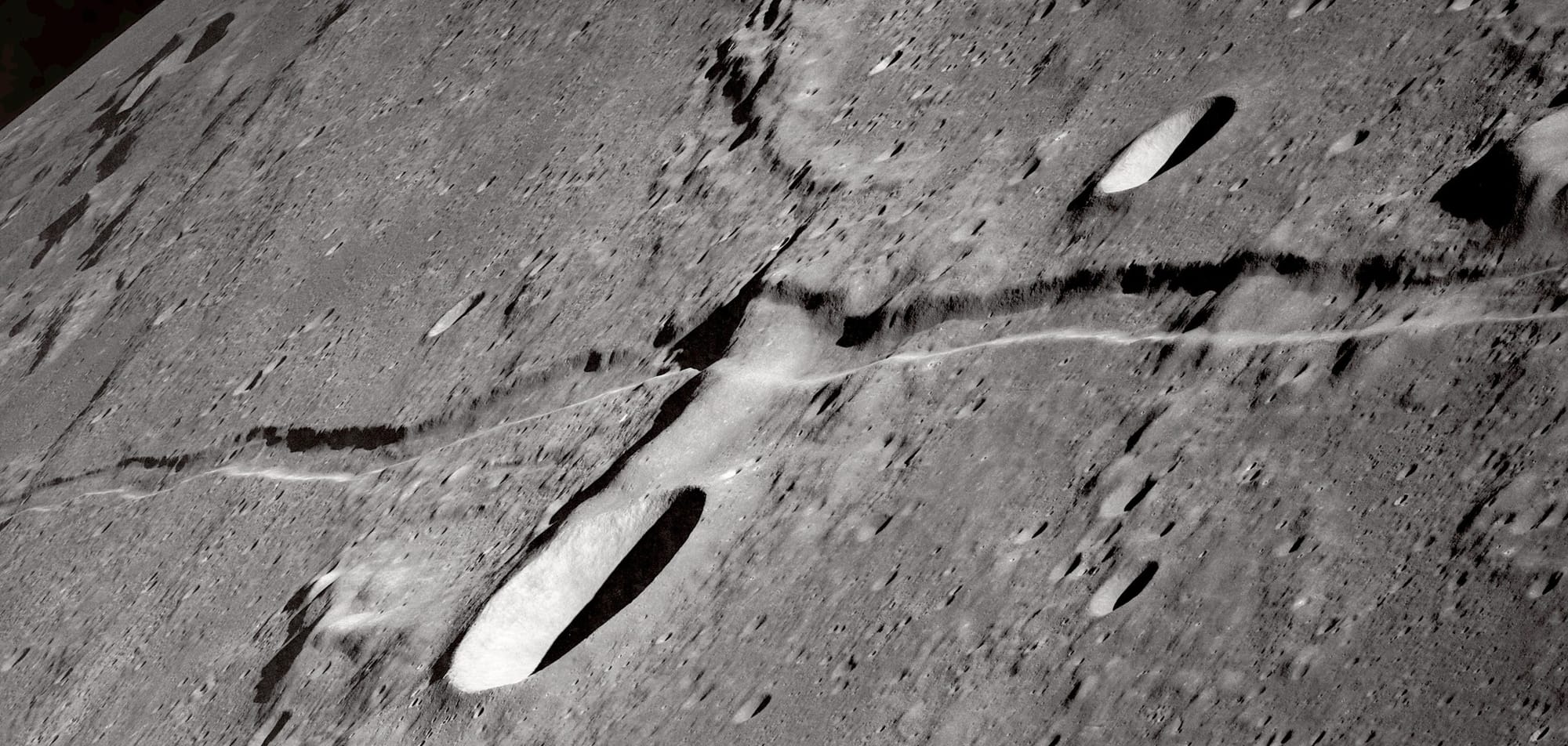
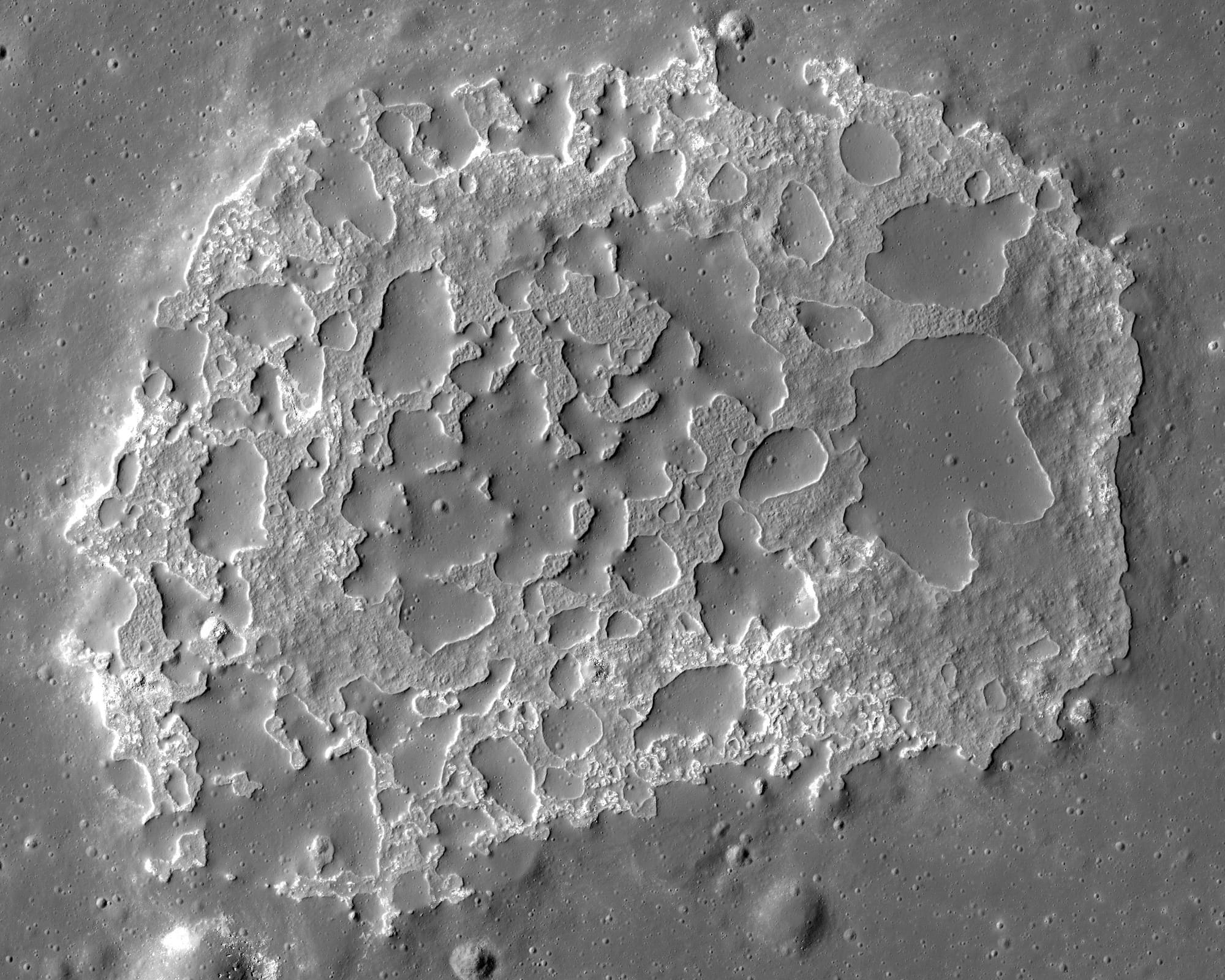
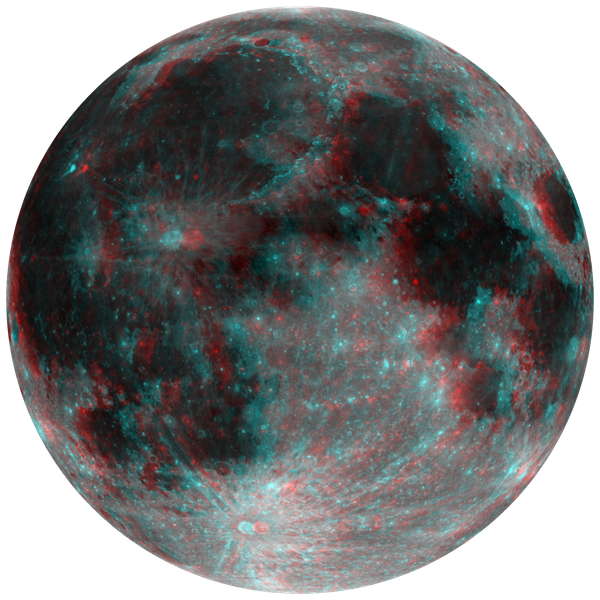
We can’t all launch ourselves to the Moon to admire its beauty and depth up close. Most of us can’t see an imposing Luna in the sky through our vehicle’s windows to reflect on its resilience. But we can do it all virtually, thanks to robotic missions like LRO which have captured our Moon’s places in over 100 times more incredible detail than the Artemis II flyby. I’ve curated a set of such mesmerizing lunar images to showcase its striking geology. Partly inspired by NASA’s Astronomy Picture of the Day (APOD), here’s a tour of such pretty planetary sights hosted and preserved by our airless Moon. Each image within each gallery links to a post explaining the geological importance of said lunar feature and the value of exploring it.
More mission updates
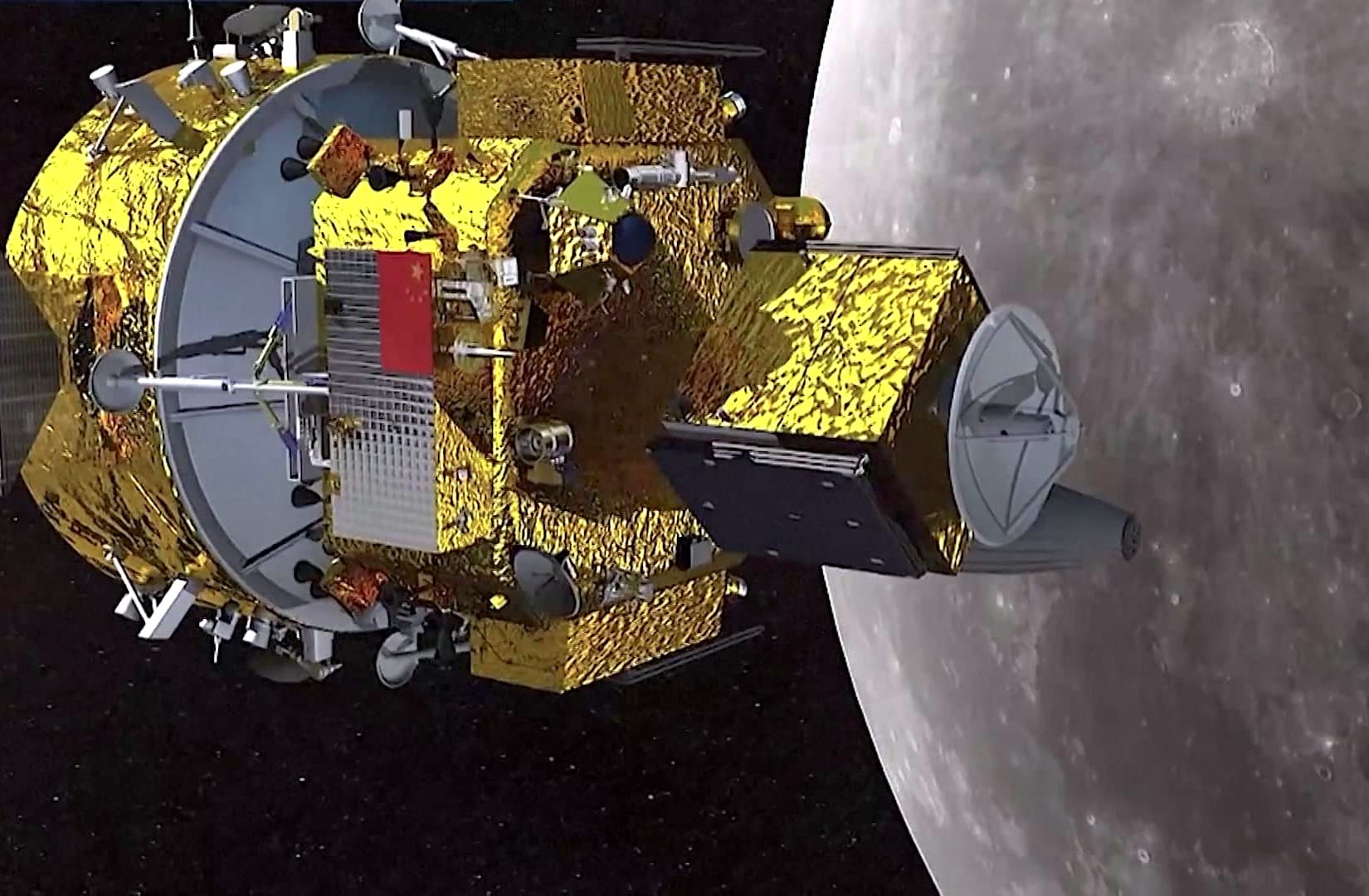
- Jack Congram reports that all the major elements of China’s Chang’e 7 Moon mission have arrived at the Wenchang launch site for pre-launch integration and final tests prior to launching on a Long March 5 rocket potentially as early as August. Chang’e 7 will be the first mission to study water ice from the surface of the Moon’s south pole, and will do so in a systematic, comprehensive manner with a range of spacecraft elements and instruments for years.
- South Korea’s first lunar rover, from a private company called UEL, will fly on ispace Japan’s third Moon landing mission targeted for launch in 2028.
- Firefly announced that for its upcoming Ocula lunar imaging service, the company is partnering with NVIDIA to improve and speed up onboard processing of imagery captured by its orbiters.
- TASS reports that on April 1, the Russian Academy of Sciences approved the concept of the Russian segment to be part of the China-led International Lunar Research Station (ILRS). One of the expected key contributions from Russia to the ILRS Moonbase is a 5 kilowatt nuclear power plant lead by Roscosmos. Currently targeted to be deployed in the early 2030s, the plant modules are being planned to be launched in three parts.
Sponsored job listing: Open Lunar Foundation is hiring a Project and Partnership Lead to advance the Lunar Ledger, which aims to be a collaborative database of global lunar missions and their objects & activities. Six companies have signed up for the Ledger so far: ispace, Firefly, Astrolab (a Moon Monday sponsor), JAOPS, Dymon, and SpaceData.
Many thanks to Astrolab, Olivier Lamarre, Christian Stock and Narayan Prasad for sponsoring Moon Monday. If you too appreciate my efforts to bring you this curated community resource on global lunar exploration for free, and without ads, kindly support my independent writing: