Moon Monday #263: Artemis II, a Canadian capcom, Chandrayaan, and Long March 10
Also, fun new guestbook for those who read till the end. 🌝
Artemis II launch delayed again
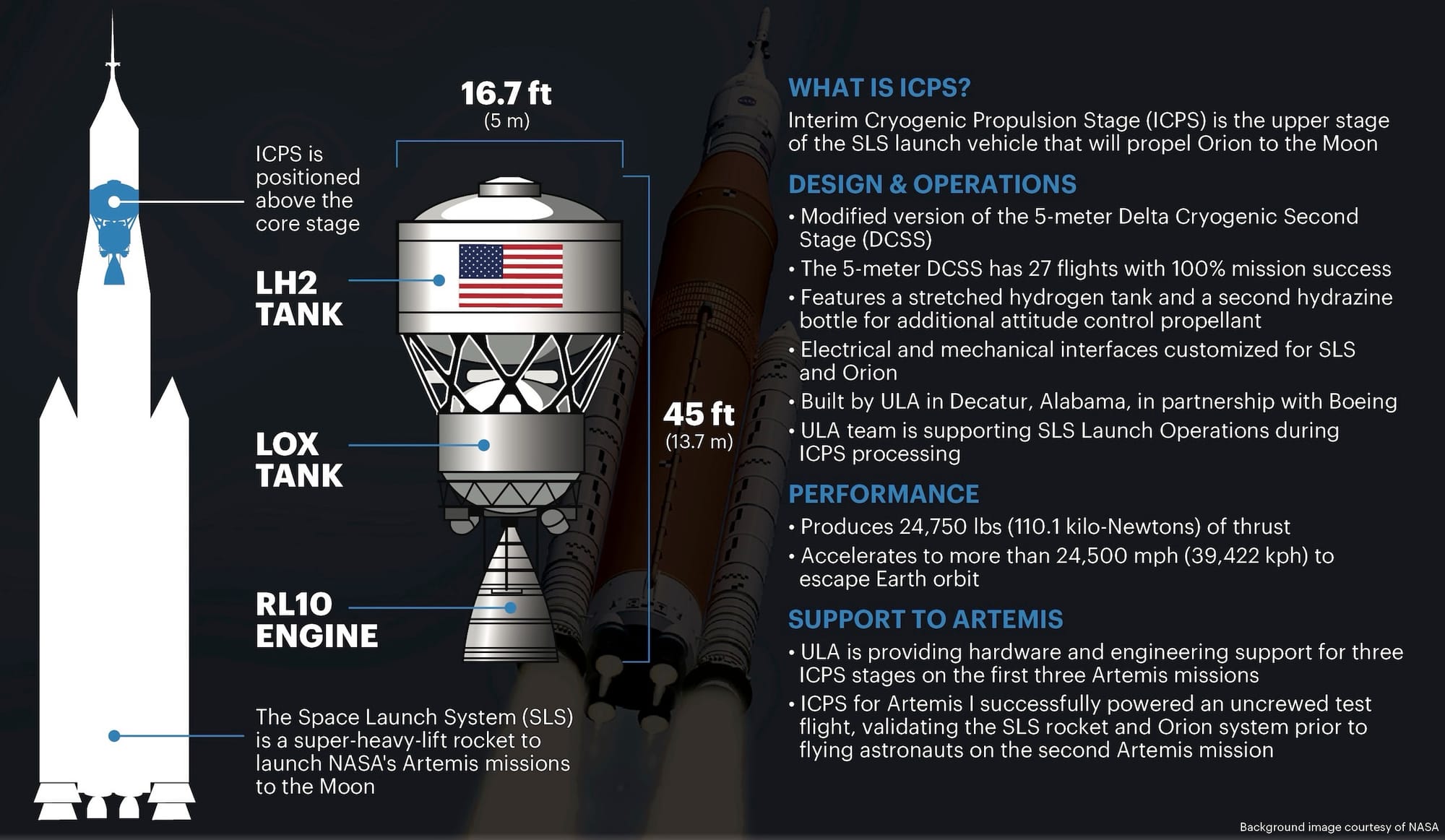
On February 19, NASA successfully fully fueled the SLS rocket and performed a practice countdown test ahead of the upcoming launch of the Artemis II mission to fly four astronauts around the Moon and back. This was a repeat of the February 2 test which hadn’t gone as planned due to excessive hydrogen leaks. This time around the leaks remained under NASA’s deemed allowable limits thanks to new seals installed after the first test. All seemed set for Artemis II to attempt a March launch but on February 21 teams observed issues with a nominal flow of helium into the SLS rocket’s upper stage. The inert gas is used to pressurize the propellant tanks. For technicians to access the upper stage to diagnose the issue and fix it, NASA has to roll back the rocket to its assembly building now, which lies almost seven kilometers away. This process rules out the March launch windows for Artemis II, making April first week the earliest possible attempt now.
A Canadian capcom on Artemis II
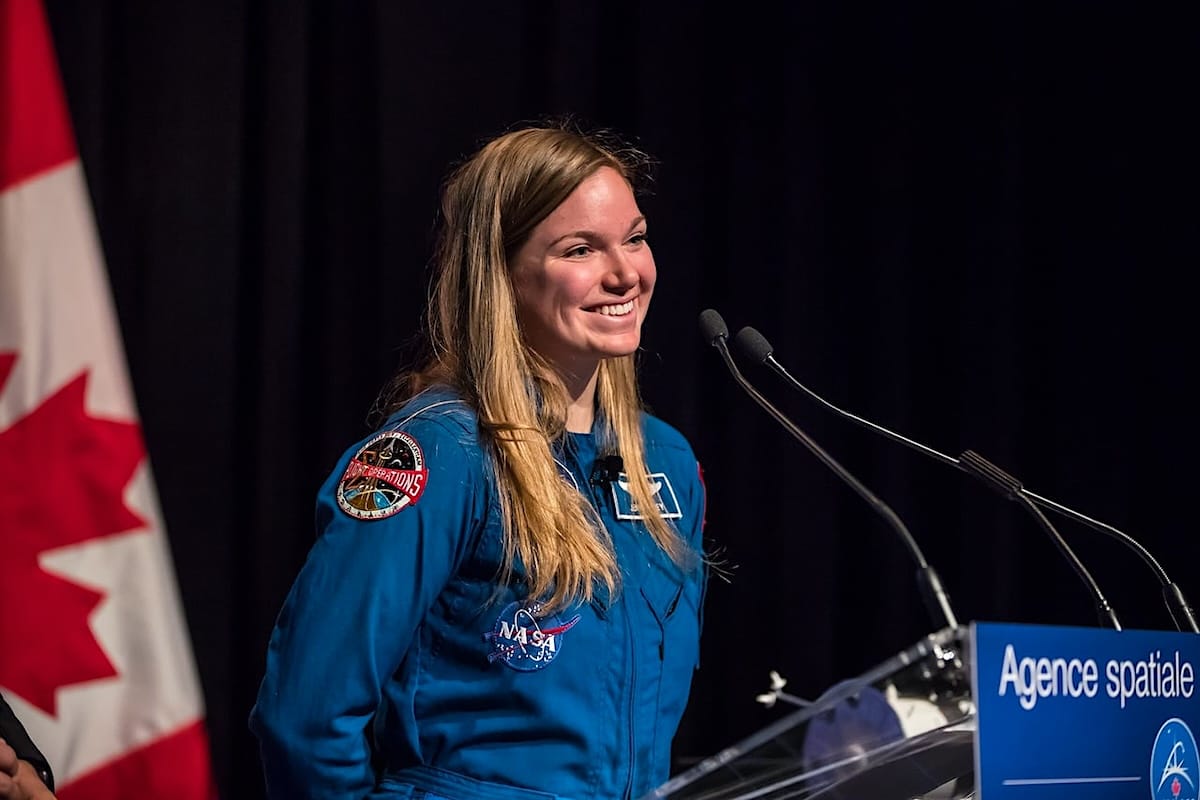
Astronaut Jenni Gibbons was selected as Canada’s backup of Jeremy Hansen, one of the two Artemis II Mission Specialists. Even though the backup role is not needed at the moment for the mission, Gibbons has many other key tasks in the Artemis program. She is a lunar capcom, whose job is to be an efficient communications bridge between mission control and in-flight astronauts. Gibbons has also helped define and validate astronaut training methods for future lunar missions. In a nice CSA article about Canada’s contributions to Artemis II, the agency outlines two key ones led by Gibbons:
She will be on console at NASA's Mission Control Center for several shifts during the mission, including the lunar flyby. [And] Just before launch, a closeout crew will be responsible for preparing Orion, securing the Artemis II astronauts in Orion and closing its hatches. Jenni is part of the extended closeout team. As such, she will perform voice checks from inside the capsule to make sure the astronauts can communicate with the ground as well as cabin set-up tasks and verifications.
Chandrayaan 4 landing site in sight
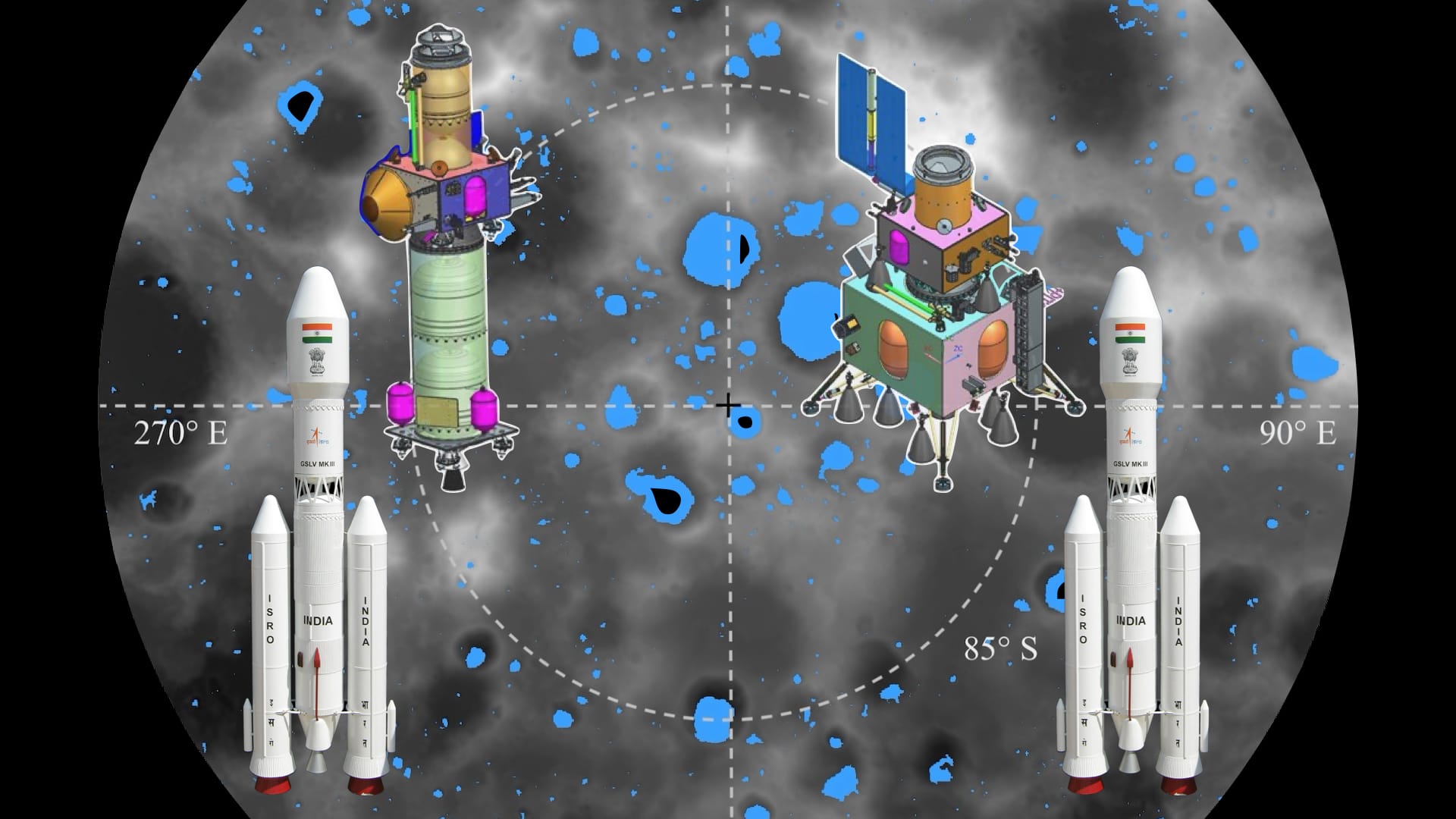
ISRO has narrowed down areas in Mons Mouton (84-85° S) as good candidate landing sites for the Chandrayaan 4 sample return mission, which aims to bring the first lunar polar samples to Earth in 2028. ISRO is using data from its own Chandrayaan 2 orbiter for the finer site selection process, thanks to the orbiter’s advanced reconnaissance capabilities. The following criteria is being used for the final landing site selection:
- Slopes in the region < 10°.
- A 1 x 1 kilometer patch with low crater and boulder density, with boulders being smaller than 32 centimeters.
- The site should be sunlit for at least 11 days, with local terrain not shadowing the lander or its critical parts for long.
Chandrayaan 4 samples are expected to bring immense scientific value. NASA’s Apollo missions helped scientists confirm that our celestial companion had a fiery origin tied to Earth. On the other hand, the Soviet Luna missions were the world’s first robotic sample return missions, establishing the modern approach that fetching planetary material to Earth generates scientific results for decades. Samples fetched by China’s robotic Chang’e 5 mission confirmed that the Moon was volcanically active and thermally complex geologically recently. And Chang’e 6 transformed our understanding of how our Moon evolved thanks to the first ever samples from the mysterious lunar farside. As I wrote in my article ‘Why explore our Moon’, continuing to fetch diversely sourced and distinct geological material will help scientists piece together the complex origin and evolution of the Earth-Moon system. We currently don’t have any samples from the lunar poles, including potential water ice or water-mixed regolith from there. It’s important to understand this water’s sources, its abundance, and how its relation or lack of it to Earth’s water. Said knowledge is equally crucial in helping us plan sustained lunar exploration and build future Moonbases. As such, when Chandrayaan 4 brings unique lunar polar samples to Earth, it will help humanity make tactile leaps into these fundamental open questions about our Moon, Earth, Solar System, and future in space.
Chandrayaan 5 / LUPEX update
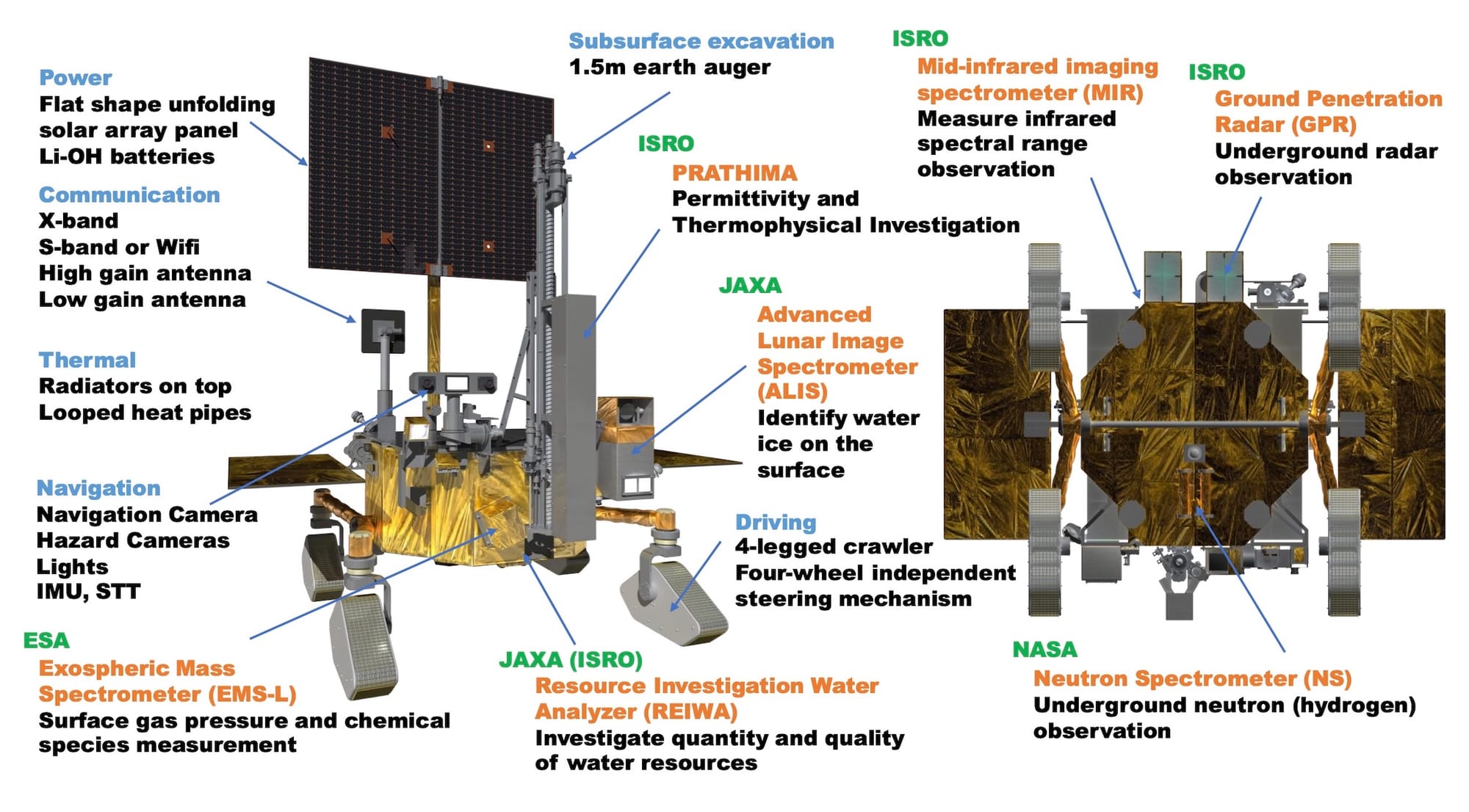
For the upcoming joint Indo-Japanese Chandrayaan 5 / LUPEX mission to drill and analyze water ice on the Moon’s south pole, JAXA and Mitsubishi have continued validating and refining the LUPEX rover and instruments designs through a series of tests using qualification and engineering models. The sophisticated rover, whose mass has increased from 350 kilograms to 420, will be delivered to the Moon by a lander being made by ISRO. The lander will be launched on the heavy-lift Japanese H3 rocket. The rover will feature instruments from both Japan and India, with a contribution each from NASA and ESA. The joint mission targeting launch by end of decade will bring a giant leap in lunar capabilities for both ISRO and JAXA, and can provide NASA with data critical for Artemis planning currently missing from US missions. An abstract co-authored by various mission team members describes specific milestones achieved or in progress for each LUPEX instrument.
Choosing the Long March 10
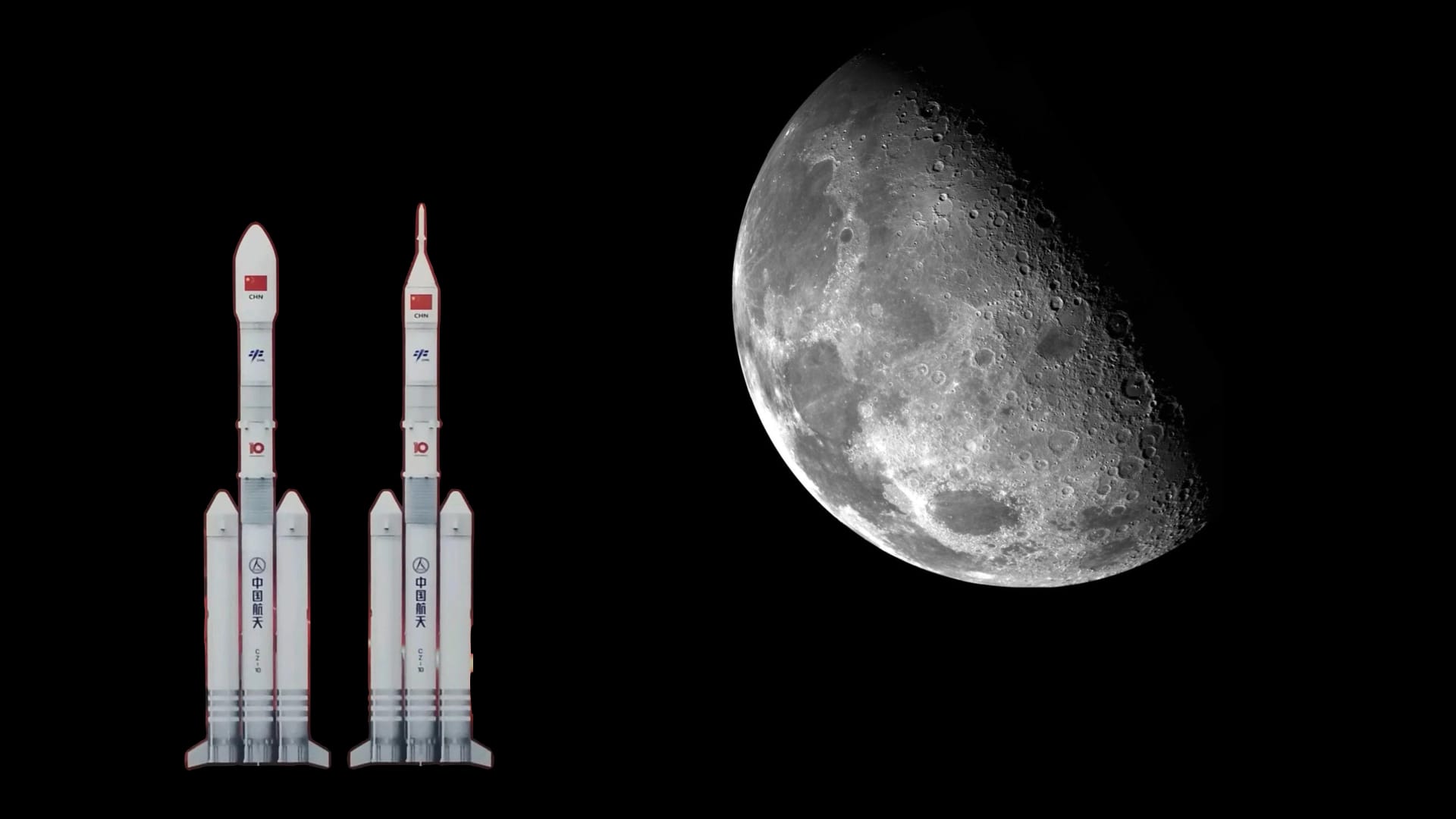
Jack Congram has an interesting article on how China selected CALT’s competitive proposal for the Long March 10 rocket to be used for the country’s crewed Moon missions over other two contenders. An illustrative excerpt:
So why did the CALT’s designs win out over those from SAST and CASIC? Comparing the designs and considering the hardware needed for development, CALT’s proposal needed fewer newer parts while being more uniform overall, with all of its stages and two boosters utilizing a 5-meter diameter, requiring less structural reinforcements, and utilizing improved designs of existing hardware. CASIC’s designs would have required developing some massive solid rocket motors, while SAST’s has a sizable diameter change atop of a central booster, which would have four others hanging off the side of it, requiring a significant amount of structural reinforcement. Alongside that, SAST was looking to develop three rockets for what CALT and CASIC could do with two.
Many thanks to Astrolab, Louis-Jérôme Burtz and Henry Throop for sponsoring this week’s Moon Monday. Thanks also to Deepika Jeyakodi, who kindly wishes me to link to the cause of PARI instead.
If you too appreciate my efforts to bring you this curated community resource on global lunar exploration for free, and without ads, kindly support my independent writing:
Fun new guestbook!
My blogs have a guestbook now. You can drop a public note if you’ve liked visiting my words on space and our Moon. Or draw using your hand or cursor! I love how people are being creative with it, like this stellar message from reader and friend Shreya Santra.