Why haven’t humans gone back to the Moon no longer a valid question thanks to NASA Artemis II lunar flyby
Plus: A poetic ode to our exploration of Luna | Moon Monday #269
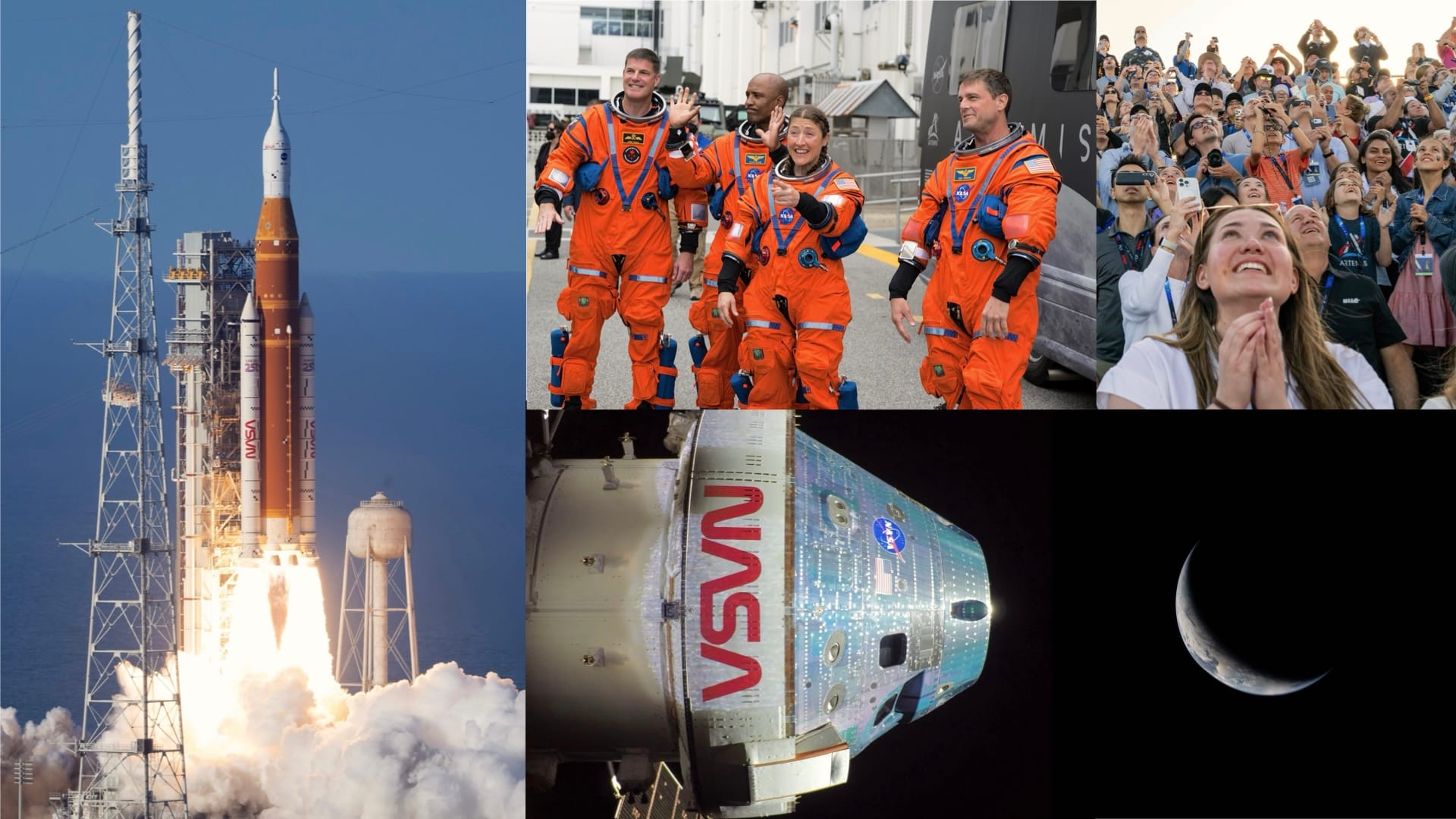
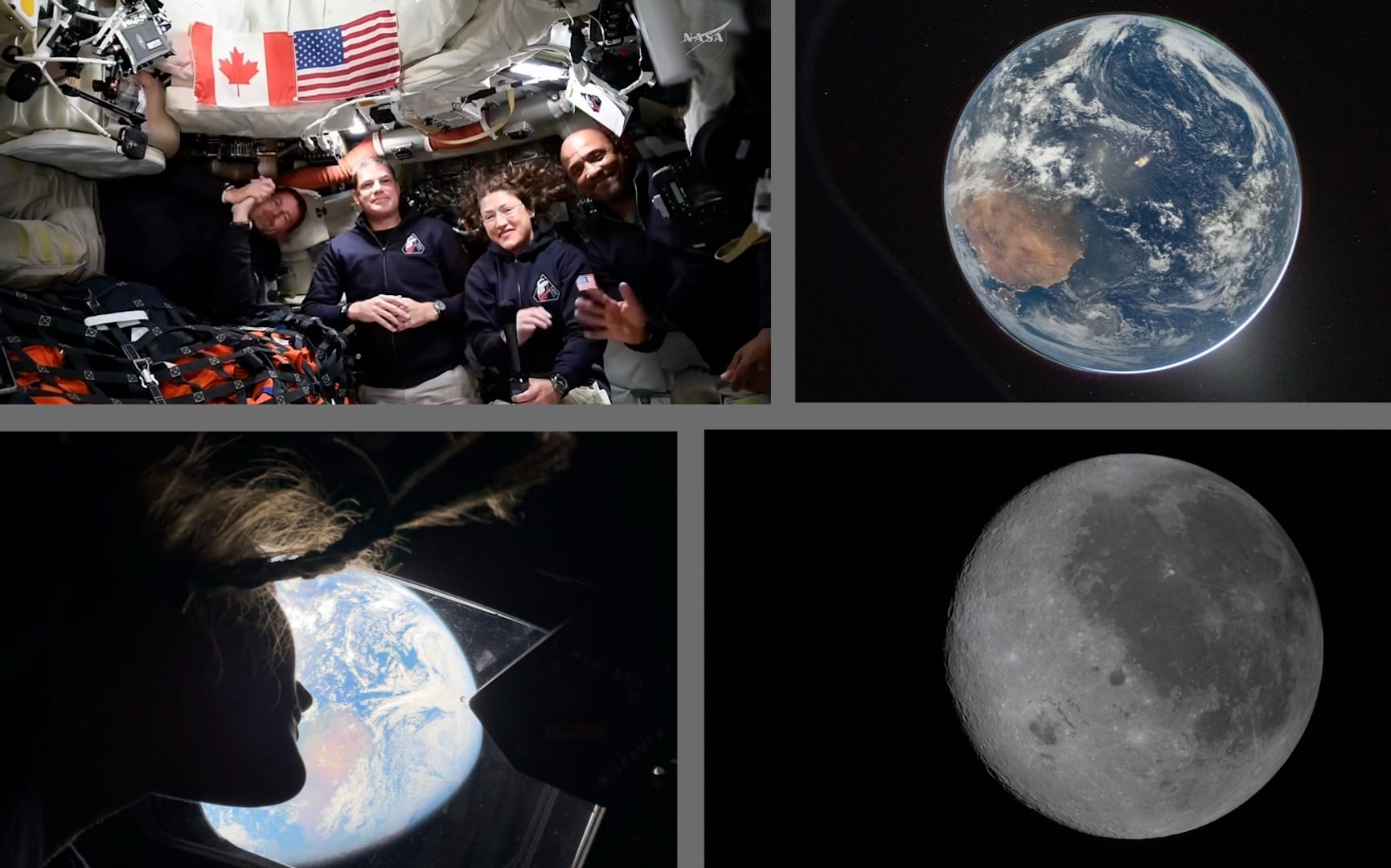
At long last, that moment is here. Humans have visited our Moon again, ending a five-decade absence since Apollo. Four astronauts launched by NASA on April 1 swung by the Moon and around its farside on April 6. For space nerds around the world, this Artemis II mission’s successful flight around Earth’s silvery cosmic companion finally puts an end to the question of “why haven’t we sent astronauts to the Moon again?”, which is often paired with “were the Apollo Moon landings fake?”
The April Fools’ Day launch of Artemis II can perhaps be seen as tongue-in-cheek to that end but in all seriousness we gladly no longer have to counter as many Moon landing deniers and their hand-wavy rejections of the wavy-looking American flag on the Moon. Nor do we have to show pictures of Apollo landers captured by non-US orbiters as unequivocal proof as many times, or bother explaining how retroreflectors work nearly as much. The staunch deniers will still deny, especially since a crewed lunar landing is yet to happen in this century to follow Artemis II. But denying should only become harder as time passes. NASA’s launch has lifted a significant weight off of all our shoulders while giving a vast majority of the world’s population crewed lunar views they were too young to have seen during Apollo missions.
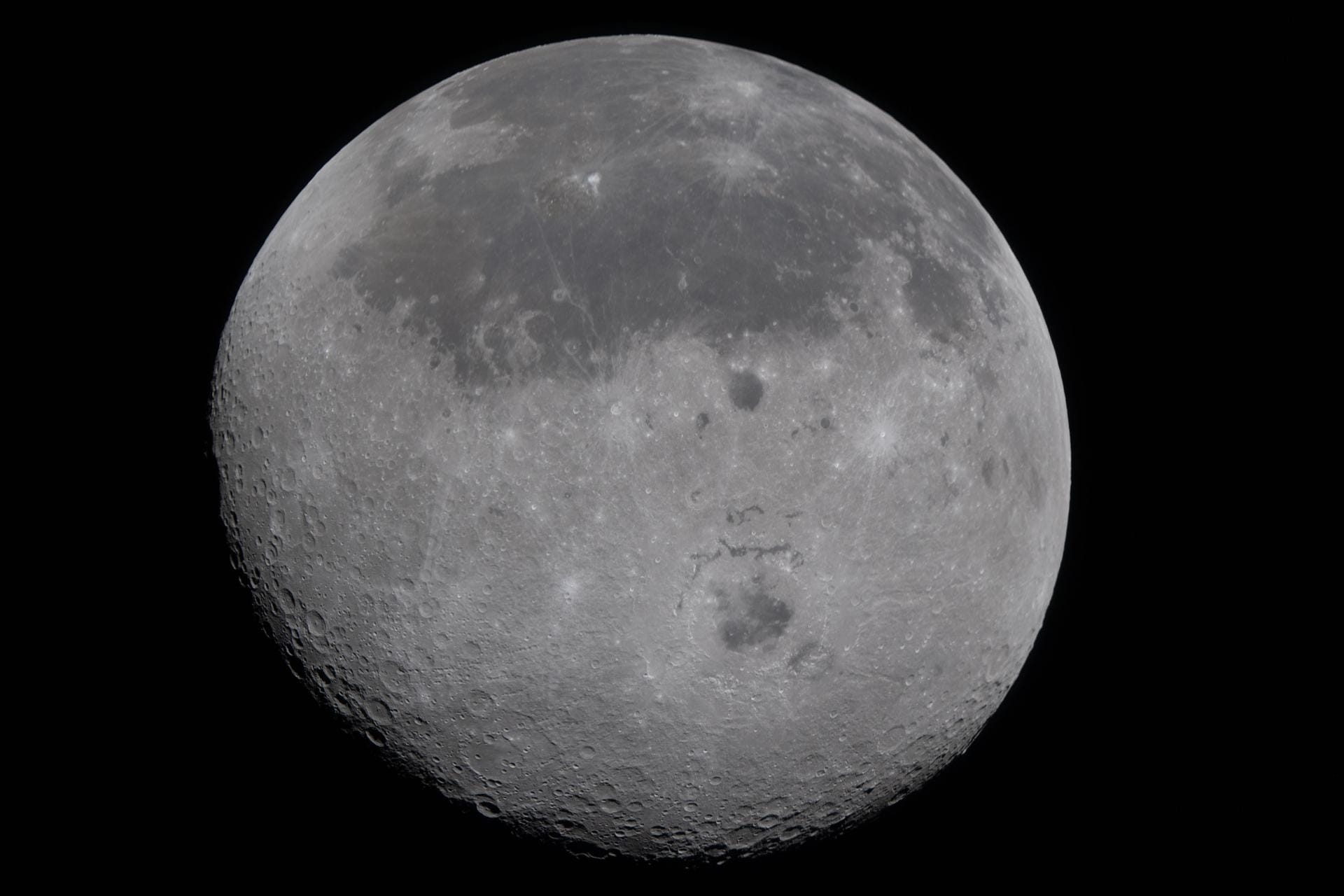
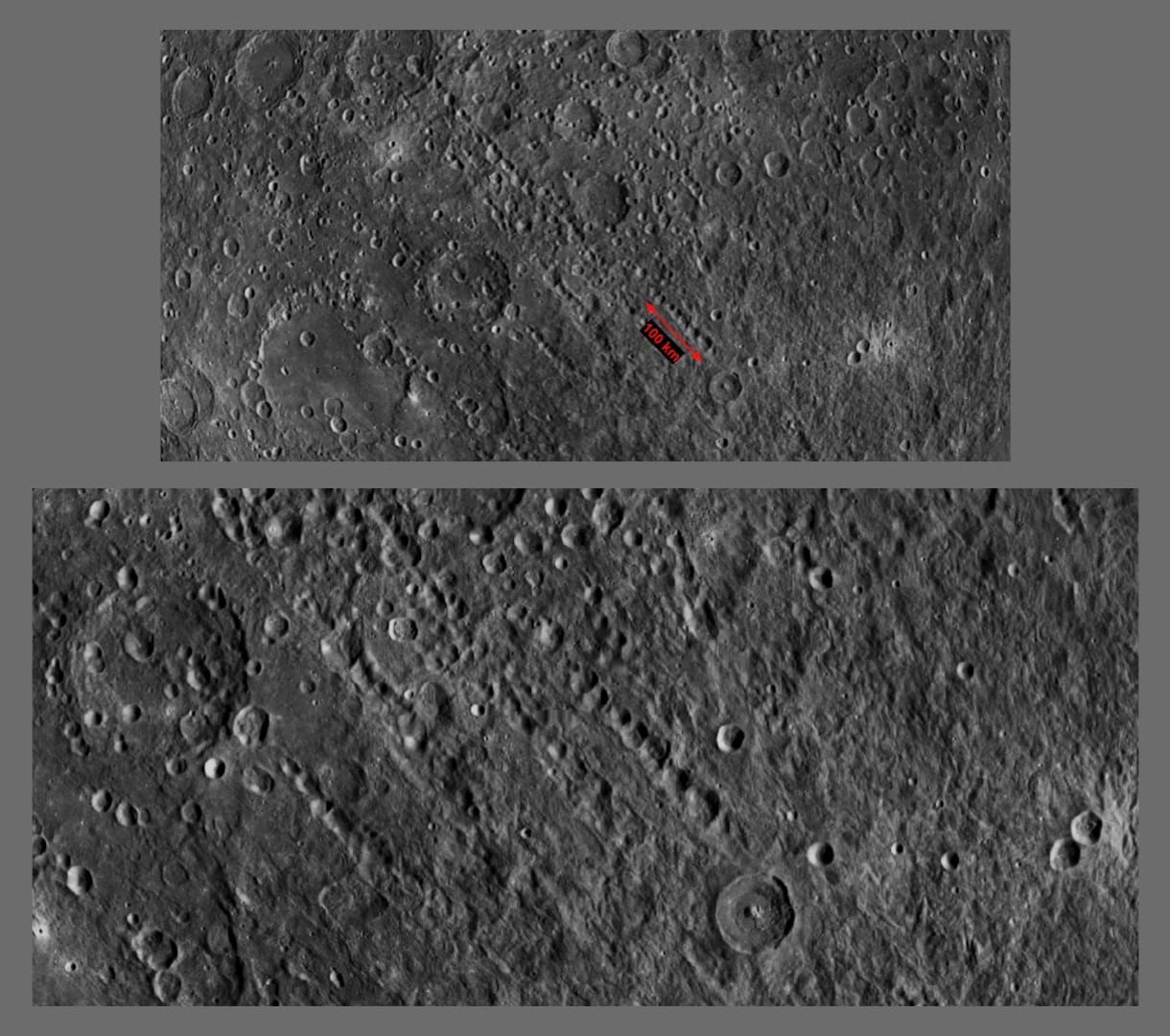
Seen prominently in the above view with its dark, volcanic center and raised mountainous ring is the massive 930-kilometer Orientale basin. You can also spot crater chains radially emanating out of Orientale, which were created from huge blocks of falling material thrown across the Moon during Orientale’s energetic formation. Here’s a closer look at crater chains northwest of Orientale in prior robotic imagery captured by NASA’s Lunar Reconnaissance Orbiter (LRO) to help you spot them.
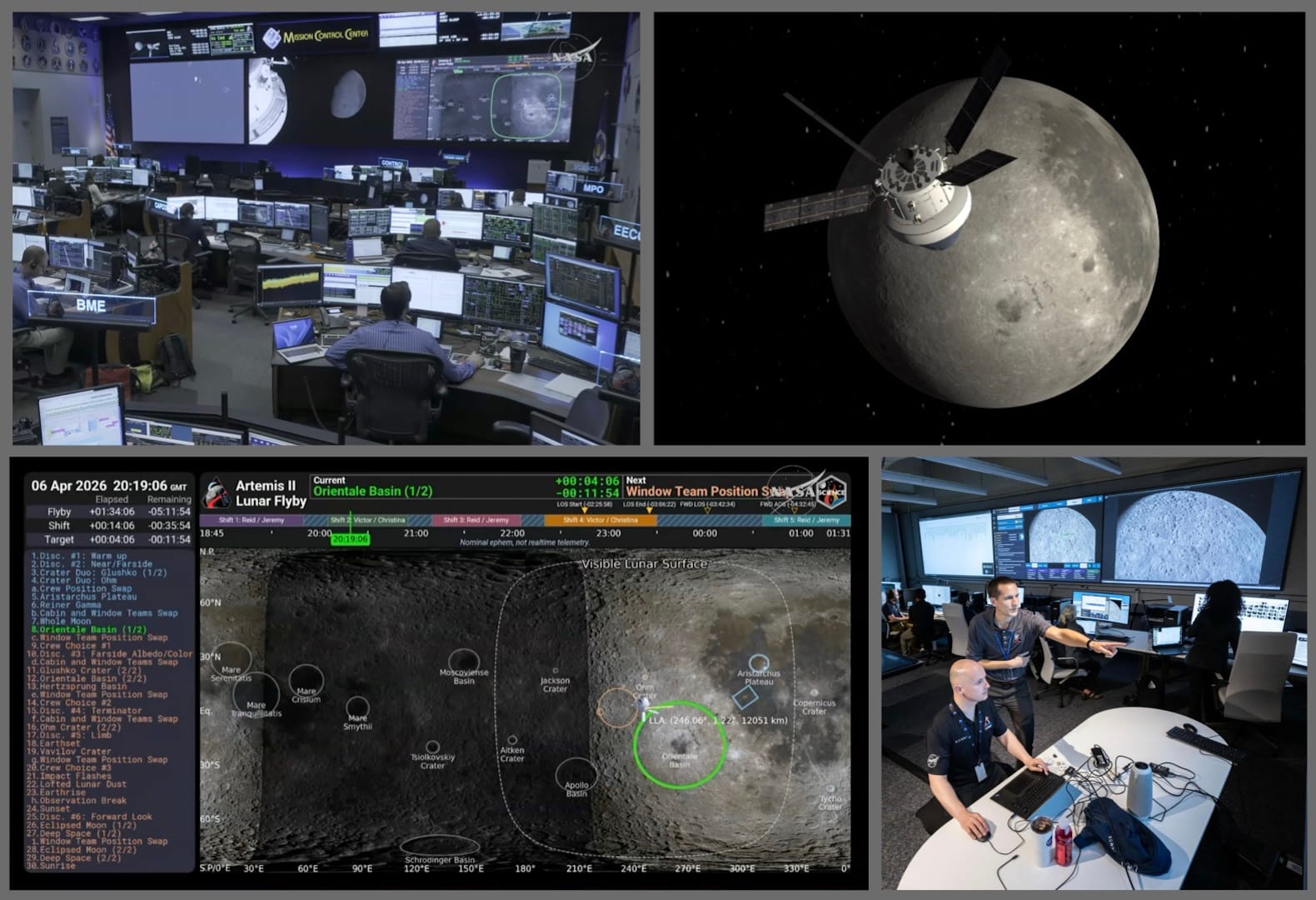
Alexandra Witze (Nature) has provided fantastic curated and contextualized live coverage of the roughly seven-hour Artemis II lunar flyby from NASA’s Mission Control building in Houston. From her coverage:
Astronaut and pilot Victor Glover is describing some challenges in looking from his dim laptop to the bright Moon and back down again, all while juggling logistics to capture the grandeur of the moment. [...] The astronauts have reported seeing green and brown colors in the Aristarchus region of the Moon’s near side. That’s a part of the Moon that astronomers can see from Earth, but the report of color variations caused an excited murmur in the room. The scientists are keen to have any color reports like this from up close at the lunar surface.
Artemis II checkpoints
The Artemis II mission’s technical performance seems to have been faring remarkably well, with only minor issues faced along the way considering the complexities of human spaceflight. Below is a list of all major milestones achieved by Artemis II.
- The SLS rocket launched the astronaut-hosting Orion spacecraft to elliptical Earth orbit perfectly as intended.
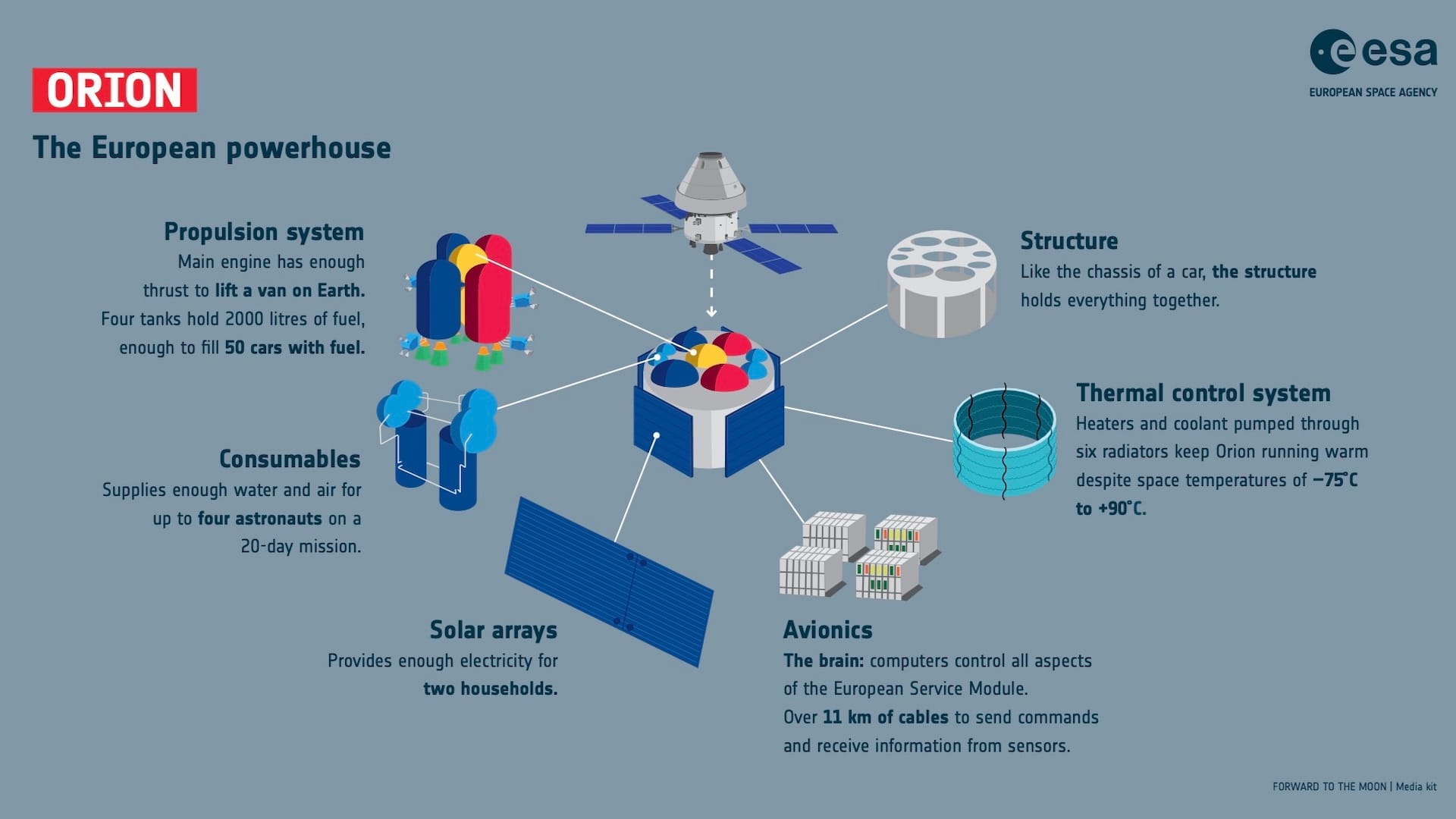
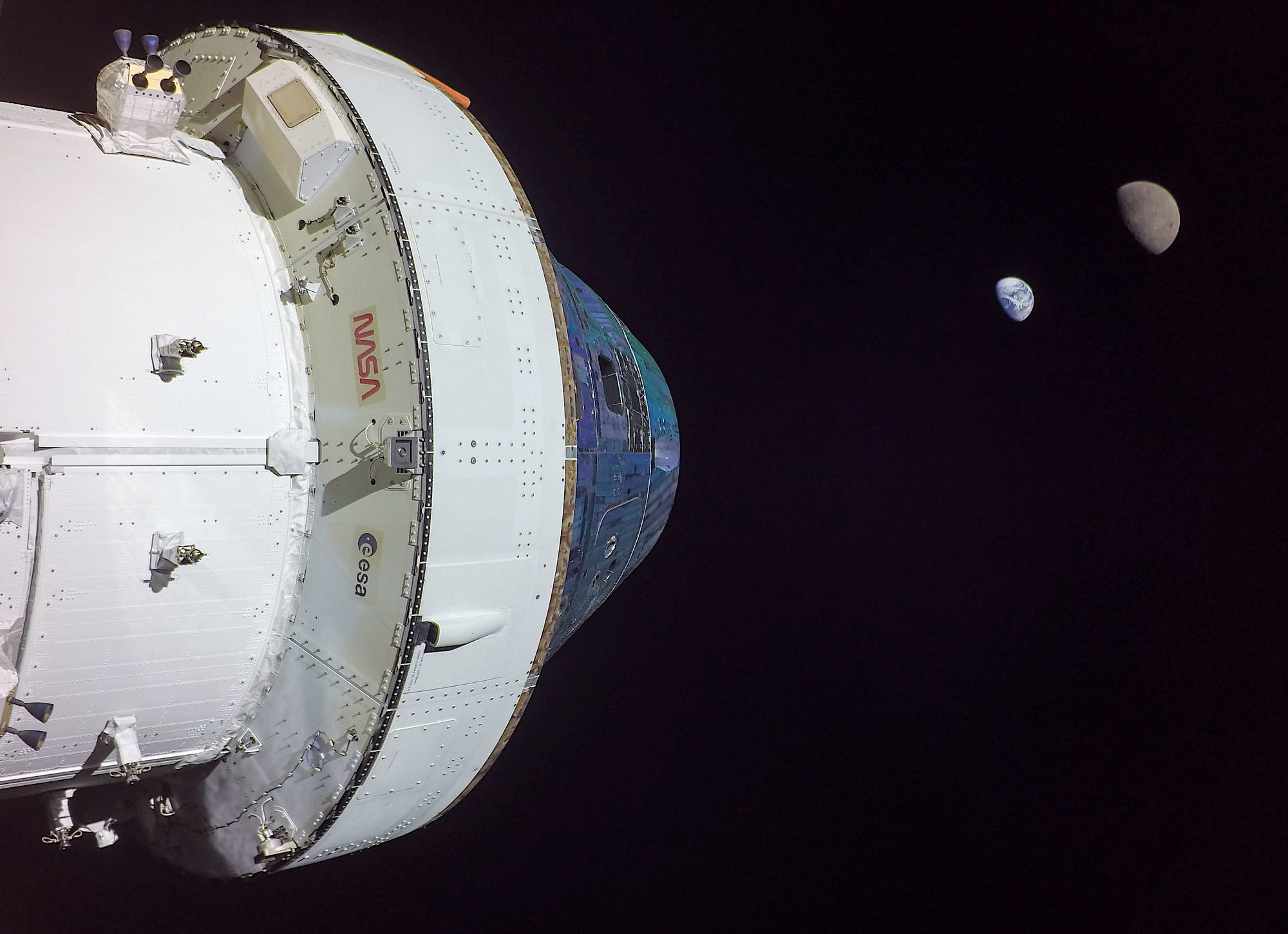
- The European Service Module (ESM), which powers and propels the Orion spacecraft, flew the astronauts to the Moon even better than expected. NASA did not need to conduct two out of three planned trajectory correction engine burns. NASA doesn’t explicitly formally mention the ESM much and bundles it with Orion but this mission continued the module’s extra-reliable performance seen on Artemis I. And that’s despite astronauts moving around onboard the attached Orion capsule as well as the mission’s human waste venting activities as opposed to the uncrewed Artemis I flight. ESA has shared good details about the decision making for engine firings of ESM.
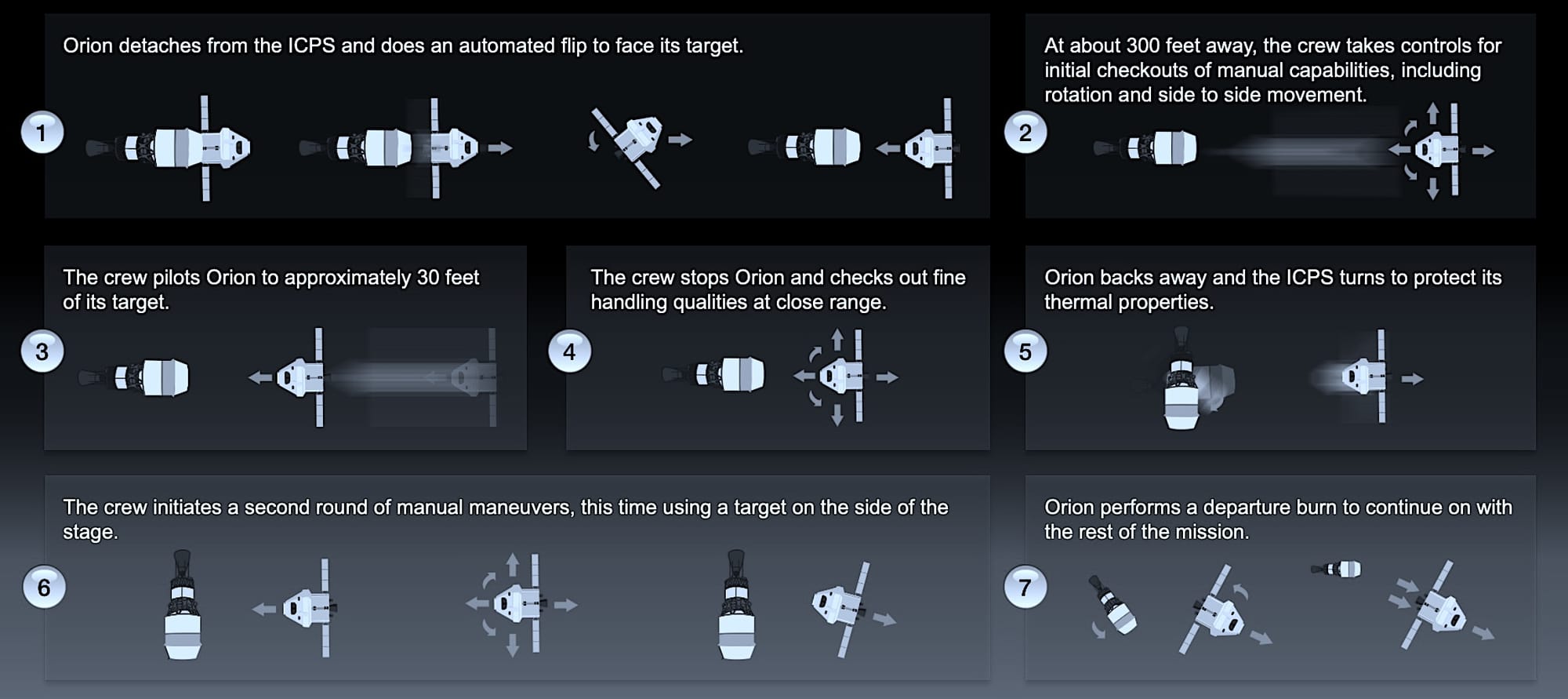
- The manual handling of Orion by all astronauts to test its coarse and fine maneuvering and docking abilities also went as planned.
- Other than the toilet clogging up, the life support systems onboard Orion seem to be functioning fine too in keeping the crew alive and well.
- Communications with Orion has been maintained throughout the mission so far across multiple networks, with only minor disruptions here and there. Even the test of the high-bandwidth, laser-based communications system, as an alternative to traditional radio transmissions, worked well.
- NASA and ESA report the crew’s health monitoring related equipments and experiments to be functioning fine too.
- A test of the astronauts wearing their Orion Crew Survival System (OCSS) suits progressed through most of its objectives as well, although NASA deferred Orion’s cabin depressurization test to be also conducted during that time.
Overall, the Artemis II mission has helped characterize Orion’s true in-space nature, proving that the spacecraft can carry astronauts to the Moon with reliability. Flying Orion on Artemis I and II will help NASA and ESA make the ship operational for future Artemis missions, wherein Orion has to dock with landers in space which will then carry astronauts to the Moon’s surface for the US.
Through Artemis II, NASA has also successfully flown the first woman astronaut (Christina Koch), the first black person (Victor Glover), and the first non-American/Canadian (Jeremy Hansen) to the Moon in a great show of diversity compared to past missions. This should help inspire more students and people globally who can better relate to these astronauts.
Poem: An ode to our Moon
The success of NASA’s Artemis I robotic Moon mission, and its link to enabling the crewed Artemis II, had inspired me to write a poetic view of our exploration of the Moon.
A blaze aloft at night
sent a glimmer of hope
flying past the desolation
It ignites around Moonshine,
so we can all dazzle
at the suspended blue marble
It twinkles again across the void
for a blistering comeback,
and a tactful splash
Let’s keep the path glowing
for these engines of progress,
so we can ferociously return
To our cosmic companion,
like never before.
Poem part of Seven uni-verses, my globally published poetry pamphlet.

Many thanks to Open Lunar Foundation, Gurbir Singh, Henry Throop and Gordon Roesler for being Moon Monday sponsors. If you too appreciate my efforts to bring you this curated community resource on global lunar exploration for free, and without ads, kindly support my independent writing: