Moon Monday #266: Current mission updates and future governance questions

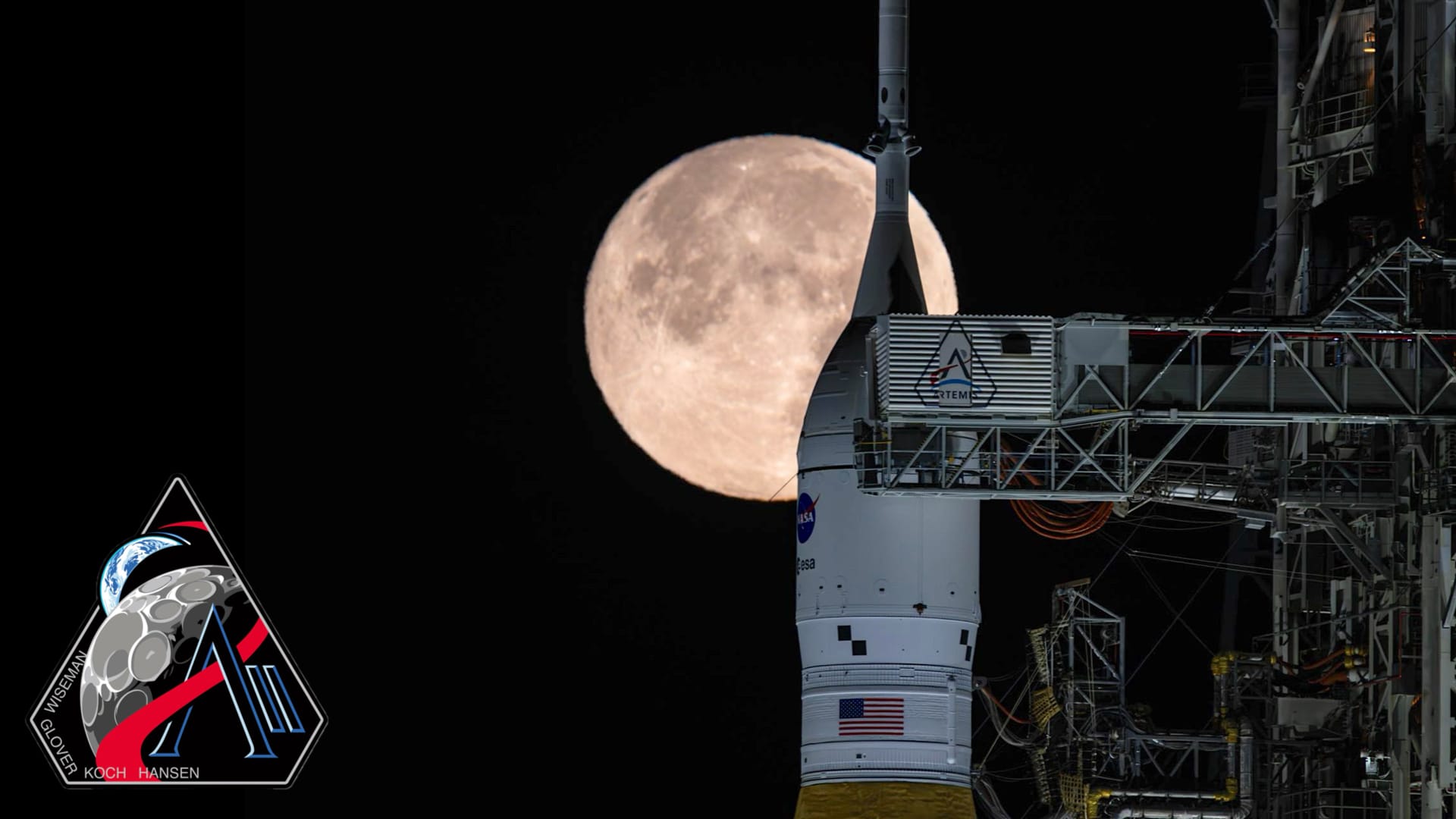
- On February 25, NASA rolled back the SLS rocket and its attached Orion spacecraft from the vehicle’s launchpad at the agency’s Kennedy Space Center in Florida to its assembly building about seven kilometers away. Technicians then replaced a dislodged seal in a fueling interface of the rocket’s upper stage to fix the helium flow issue encountered last month. Ahead of the impending launch of the Artemis II mission to fly four astronauts around the Moon and back, teams were to also replace batteries across the vehicle, service its flight termination system, and replace a seal on the rocket’s core stage liquid oxygen line feed system. On March 12, NASA completed the Artemis II Flight Readiness Review, which polled positive to target launching the mission in the first week of April. NASA is targeting March 19 to roll the SLS to its launchpad.
- NASA’s plans to fully rejig Artemis, including canceling the SLS rocket’s upper stage upgrade & new pad, is getting support from the US Senate. If the US House agrees, such a bill can pass and make the rejig fully formal. Moreover, a notice on sam.gov published on March 6 states that the new standardized upper stage for the SLS rocket, to replace the previously planned upgraded one, will be based on the potent Centaur V stage used on ULA’s Vulcan rocket. From the notice:
NASA/MSFC intends to issue a sole source contract to acquire next-generation upper stages for use in Space Launch System (SLS) Artemis IV and Artemis V from United Launch Alliance (ULA) in accordance with FAR 6.103-1(c), Only One Responsible Source and No Other Supplies or Services Will Satisfy Agency Requirements due to the highly specialized nature of this requirement. A determination by the Government not to compete this acquisition on a full and open competition basis is solely within the discretion of the Government.
- In the meanwhile, NASA’s Office of Inspector General (OIG), which formally functions as an agency watchdog, released a scathing report on March 10 pointing out the various shortcomings and risks in the crewed lunar landing systems being developed by SpaceX and Blue Origin for NASA Artemis. Marcia Smith has provided the best rundown of the report which captures all major issues, from both landers facing developmental delays and targeting insufficient robotic landing demonstrations prior to carrying crew to Lunar Starship’s crew risks with autonomous navigation, stability during touchdown, and its elevator. This was the first time any such low-level details about the in-development Artemis landers were made public.
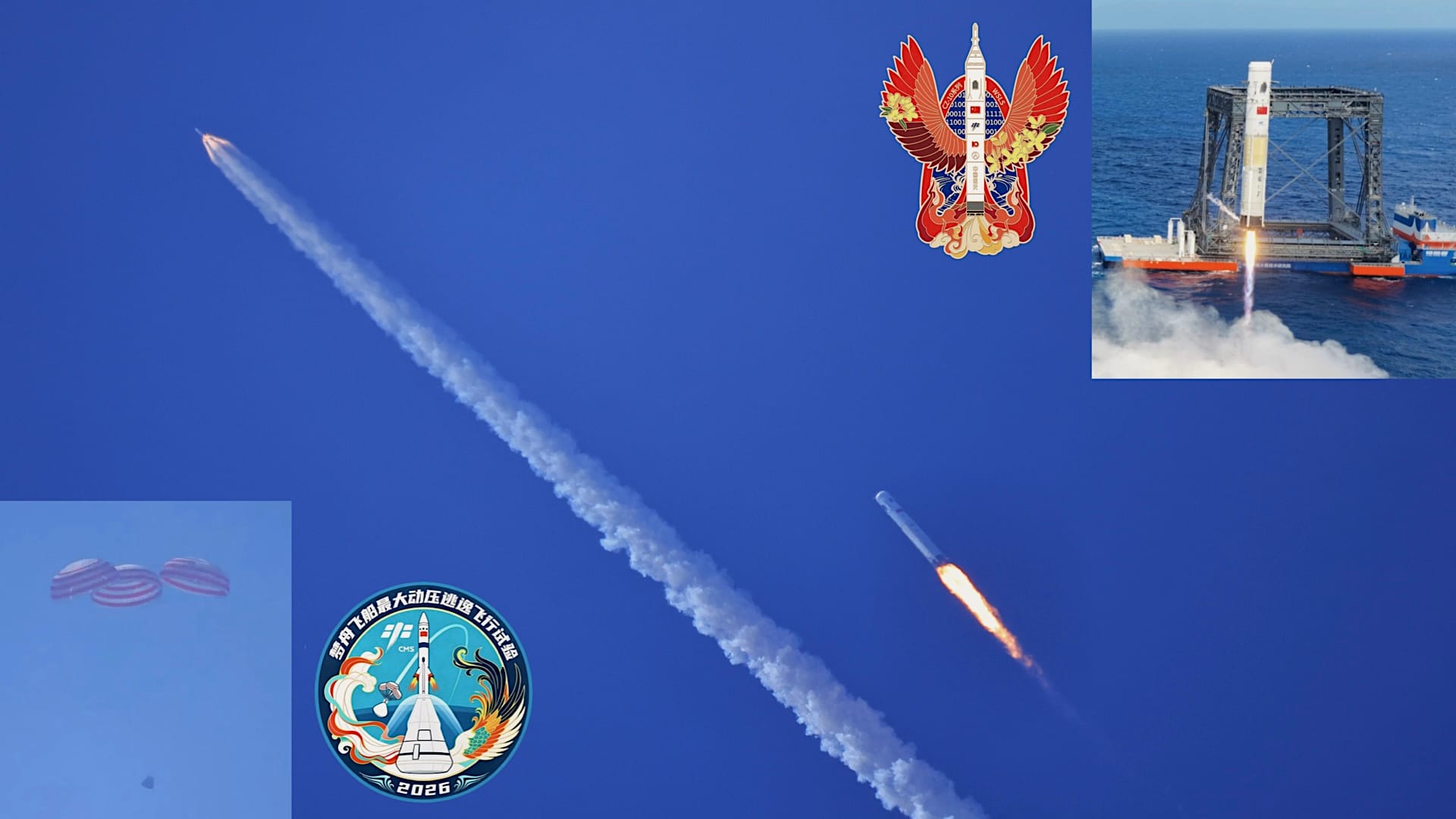
- Jack Congram reported that following China’s in-flight abort test of its next-generation astronaut capsule last month, CASC has revealed that the capsule used for that flight was the same one used in the prior launchpad escape and air drop tests. In fact, the capsule will continue to be further tested in the sea, such as examining how it floats in an unassisted manner, which is an indicator of how well it can protect future lunar taikonauts awaiting to be rescued post splashdown on Earth. Congram also reports that lunar taikonauts will be chosen from among those with prior experience at China’s Tiangong Space Station.
- Adithya Kothandhapani’s article “Mars gets a network, the Moon gets a market” notes how the patchwork of political solutions by the US in planning lunar communications and navigation infrastructure at the Moon contrasts against the necessity-first, engineering-driven approach NASA adopted at Mars—and which China has taken at Luna too.
We can build cities on the Moon—but who will govern them?
Amid a global lunar rush, will we land peaceful norms alongside our spacecraft?
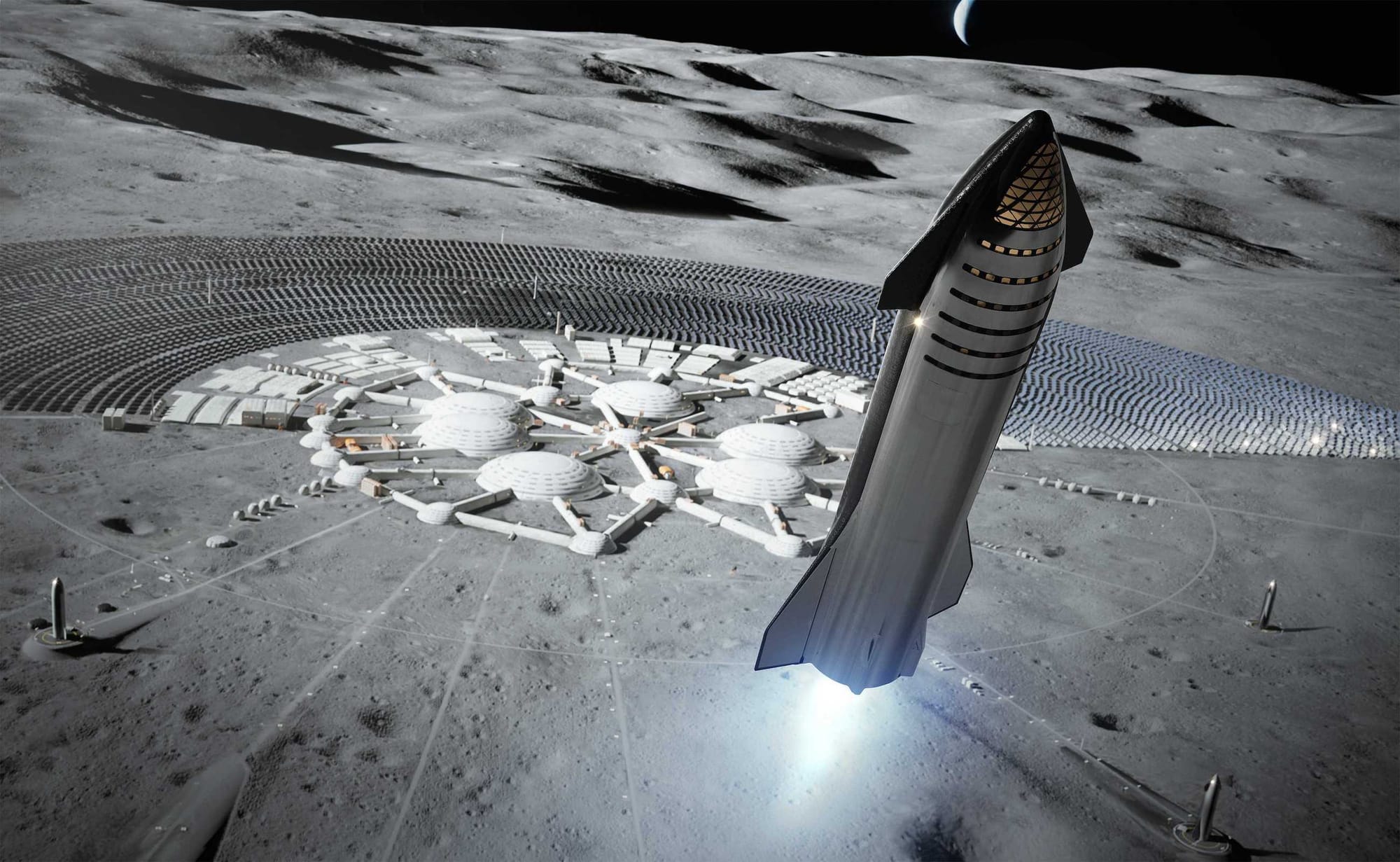
Last month SpaceX and its founder Elon Musk flipped their stance on the Moon from treating it as a distraction to positioning it as central to their idea of preserving our civilization—after more than two decades of emphasizing Mars as the primary destination . The stated rationale for change and the catalyst involves building a Moonbase and a self-growing city within 10 years that can power lunar factories and launch orbital AI data centers, the latter part being the backdrop to SpaceX’s acquisition of xAI.
Even though elements of these visions remain speculative, such ambitious announcements carry real repercussions on lunar governance and global policy. SpaceX’s move is neither self-driven nor made in isolation. Last year when the US saw China’s steady strides towards landing humans on the Moon by 2030, the American government sought to accelerate its delayed Artemis efforts in hopes to land astronauts before China. NASA reopened the Artemis III landing contract to accelerate it. Jeff Bezos-owned Blue Origin bid for it and also decided to pause the company’s other internal projects to focus most resources and efforts on the Moon. Industry momentum toward the Moon is part of a broader global trajectory, and is now being accelerated.
The last ten years have seen a global interest in lunar exploration, with multiple countries sending diverse missions. Many more are in the pipeline, with the majority of them converging at the water-hosting lunar south pole and in low lunar polar orbit. Continued mission successes by China and renewed focus from the US & its partners will likely accelerate activity further. The economic and scientific implications of any sustained lunar infrastructure could be immense. Regardless of the near-term feasibility, just the fact that public commitments of large scale lunar development are being made by players with theoretical capacities to reach the Moon in substantial forms is enough to affect and alter international policy and regulatory landscapes on Earth. Amid such heated competition and accelerating timelines of humanity’s future, early precedents—such as how actors share information, access resources, understand land usage and rights, and regulate infrastructure—could shape global lunar activity for decades to come. These practices could either enable broad participation or gate future access. It could also gravely affect fundamental lunar science in the process, which is also tied to understanding the Solar System itself. How do we manage such activity?
To counter the many consequences of unilaterally-led large-scale lunar activities by any party, peaceful governance norms and practical coordination mechanisms must develop alongside technological progress. The US has historically favored de facto practices over multilateral agreement in space. Norms set by the US or its partners through the Artemis Accords but not via other, more international means thus would not apply to non-signatories like China. Vice versa is also true. In such low-trust environments, it’s critical that operating parties share minimum viable information and coordinate their activities through the UN and complementary neutral platforms to avoid operational overlaps and disputes over lunar areas and its resources.
Middle space powers including India and Japan can play crucial swing roles by intentionally shaping norms through their capabilities and partnerships. Two such upcoming missions have exactly such potential: India’s Chandrayaan 4 sample return and the joint ISRO-JAXA LUPEX rover, both heading to the lunar south pole. In such ways, we can begin to place mutually beneficial governance frameworks early enough, gradually building trust through transparency for a peaceful future in our skies.
The Moon is an object of hope for cultures all around the world. Retaining that shared meaning requires that lunar governance evolves alongside technological progress.
This section was originally published on The Space Review, authored by myself and Rachel Williams of the Open Lunar Foundation, a Moon Monday sponsor.
Many thanks to Henry Throop, Kris Zacny, Louis-Jérôme Burtz and Yuqi Qian for sponsoring this week’s Moon Monday. If you too appreciate my efforts to bring you this curated community resource on global lunar exploration for free, and without ads, kindly support my independent writing: