Moon Monday #253: A peek at new lunar samples and mission updates
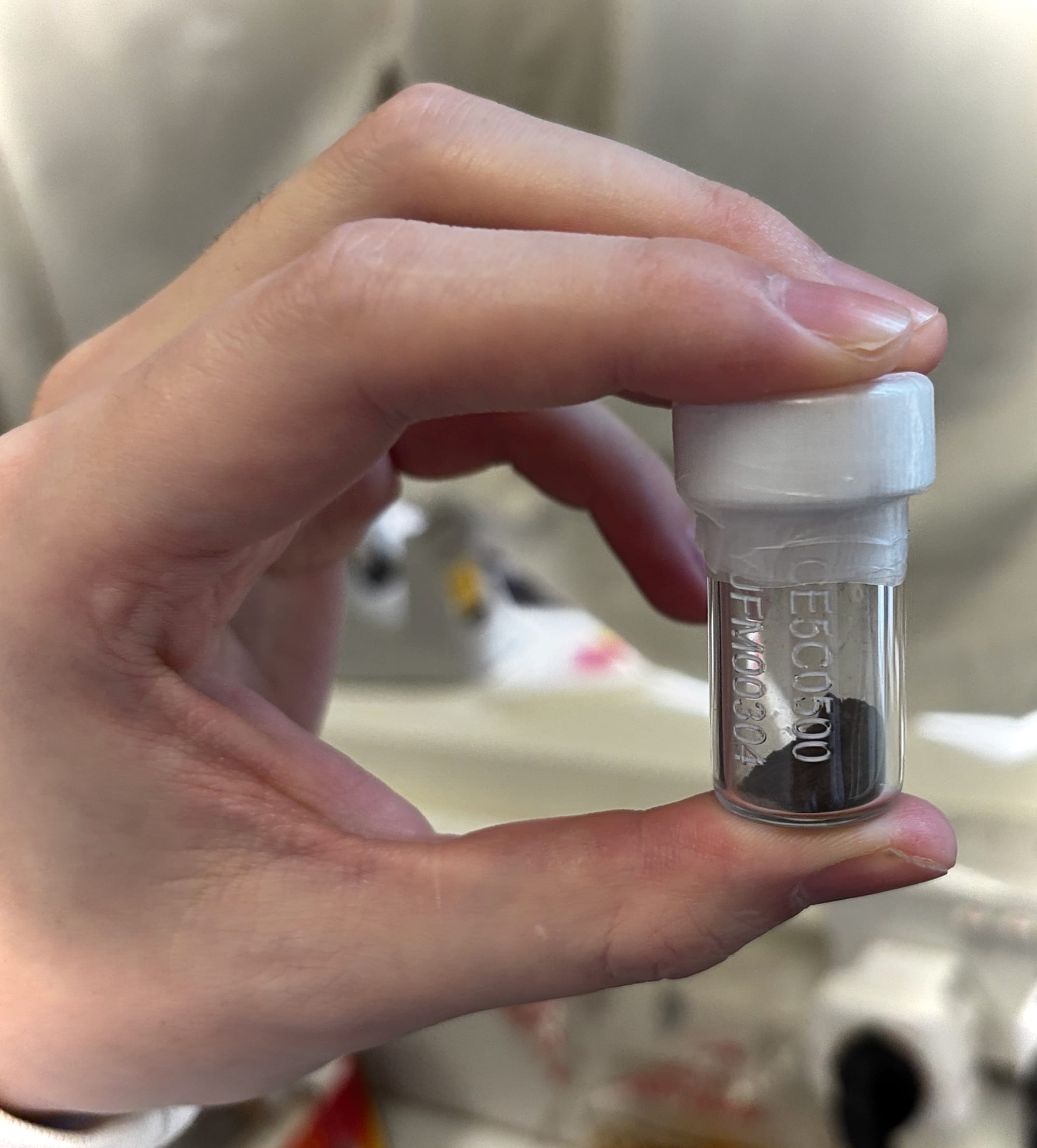
Here is a peek at some lunar samples from China’s Chang’e 5 nearside landing mission as well as the Chang’e 6 farside one! Holding them is an incredible feeling that vividly reminds you of the immense and irreplaceable value of exploring our Moon. 🌙
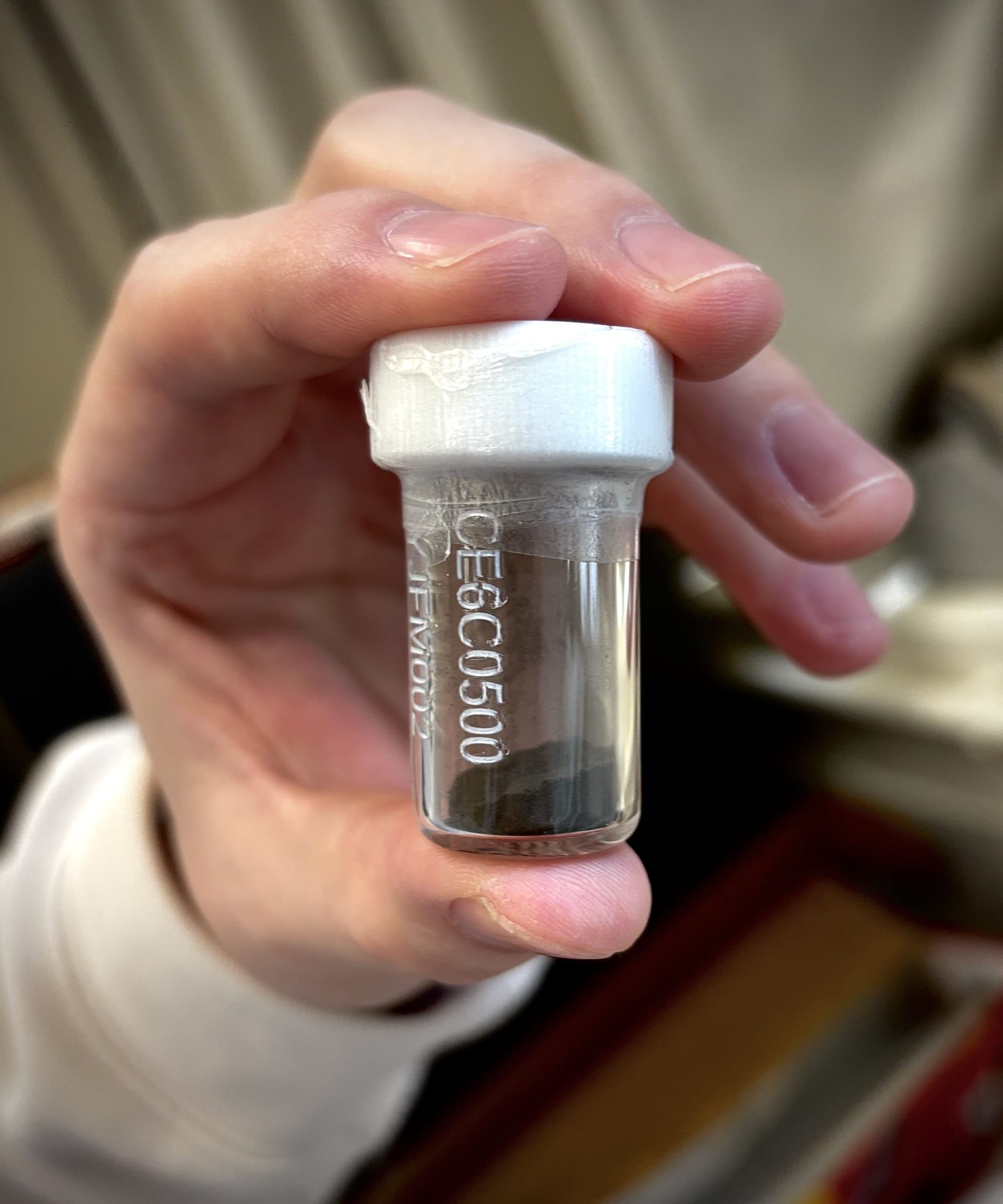
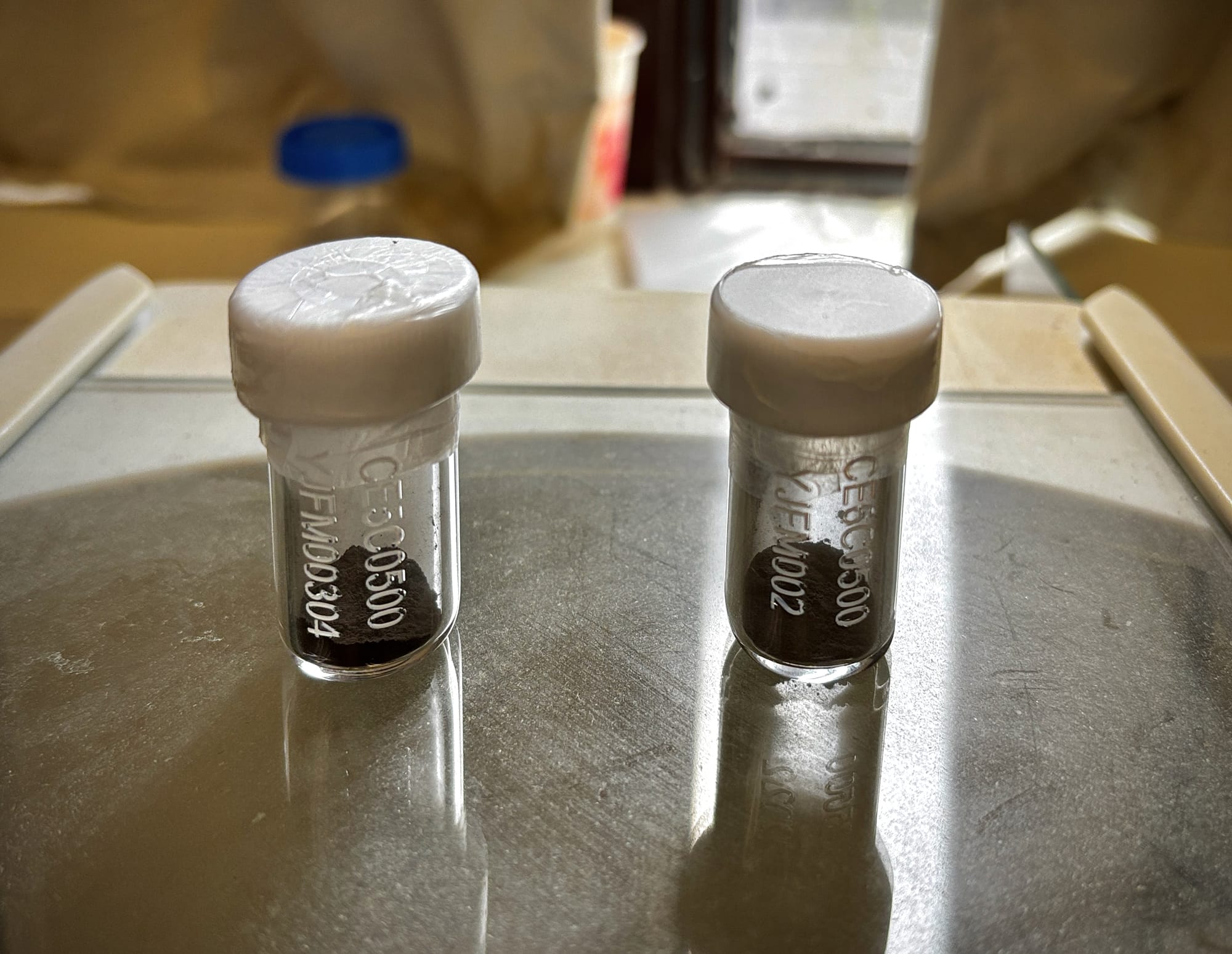
Check my coverage of the volcano of new science results presented at the University of Hong Kong last weekend about what we’ve unlocked by studying such Chang’e lunar samples. And, my idea pitch there for India and China to exchange future Chandrayaan 4 lunar polar samples with Chang’e ones has garnered some interest at CAS. Here’s hoping something comes out of it if ISRO and CNSA decide to engage. 🚀
Mission updates
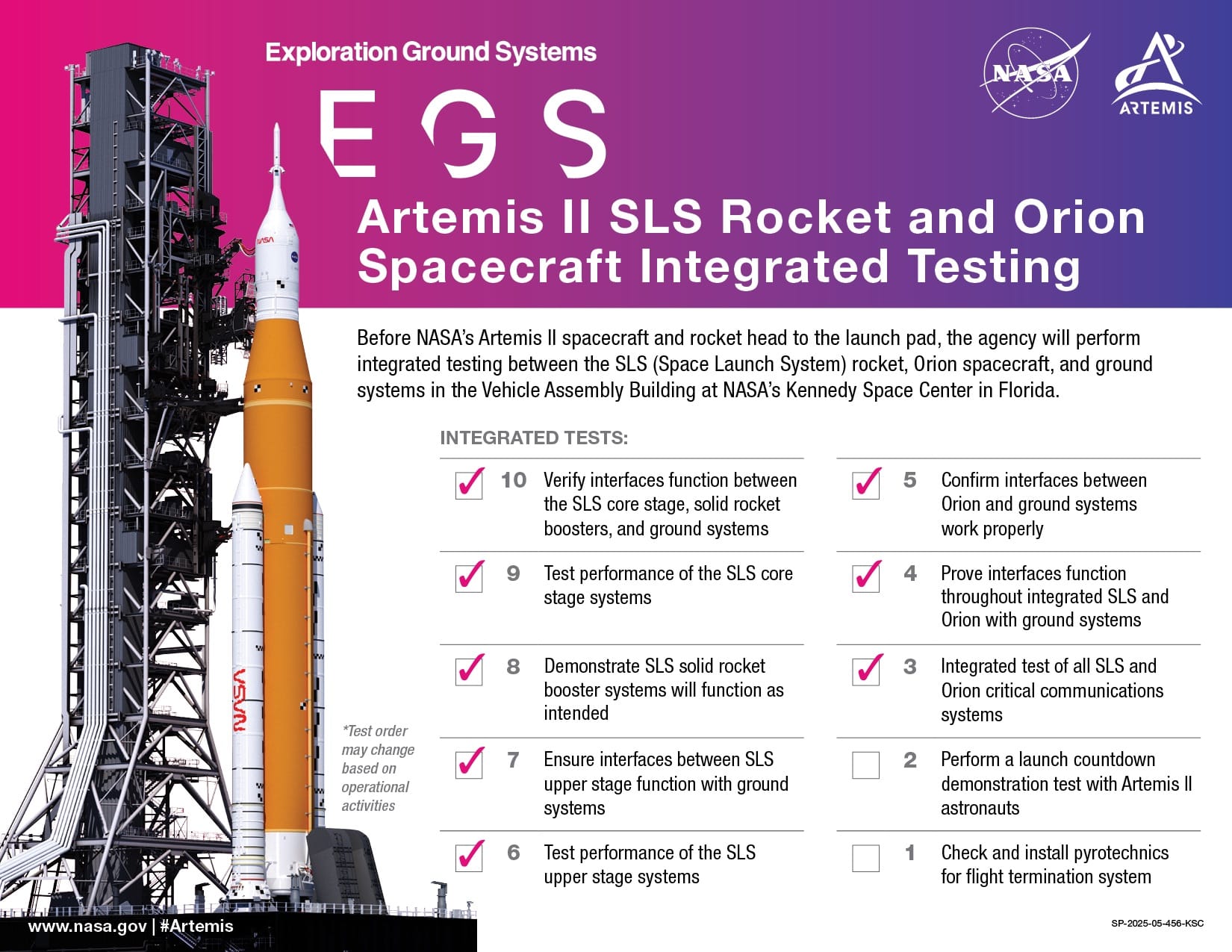
- NASA states that it has completed critical communications tests between the SLS rocket, the Orion spacecraft, and between them and the agency’s Deep Space Network ground stations in the lead up to preparations for launching four Artemis II astronauts around the Moon and back next year.
- SpaceX’s first Starship v3 booster stage got damaged during early testing on November 21, leading to yet another delay in SpaceX’s slow progress in working towards landing humans on the Moon for NASA.
- New datasets are available from NASA’s ultra-sensitive ShadowCam imager aboard South Korea’s first lunar orbiter KPLO. ShadowCam has been capturing unique observations of permanently shadowed regions on the Moon’s poles to help scientists & engineers plan future surface resource prospecting missions.
- The lifespans of the upcoming Chang’e 7 orbiter and lander is designed to be at least eight years each! Thanks to Jack Congram for noting that in his coverage.
- ESA’s critical Ministerial Council meeting held last week to decide the space agency’s budget for the next three years went well as two dozen members (including Canada’s increased investment by 400%) cumulatively committed a record budget of €22.25 billion, a 17% increase over the previous 3-year budget for 2022-2025 when adjusted for inflation. However, the human and robotic exploration component of the budget is receiving only €2.98 billion, about €800 million less than was requested. As such, this will likely affect ESA’s robotic plans for lunar exploration such as Argonaut and Moonlight. In the best case, it will stretch their already delayed timelines further.
- In related and unsurprising news, ESA’s Director General Josef Aschbacher announced that the three ESA astronauts that will fly on future crewed Artemis missions will come from three biggest ESA contributors: Germany, France, and Italy. These three seats from NASA are in return for ESA’s contributions to the Artemis Orion spacecraft’s critical service module and for providing major parts of the upcoming NASA-led Gateway orbital habitat like the Lunar I-Hab, the Lunar Link communications module, and the Lunar View refueling and cargo module.
Many thanks to The Orbital Index and Space Age Publishing (ft. ILOA) for sponsoring this week’s Moon Monday! If you too appreciate my efforts to bring you this curated community resource on global lunar exploration for free, and without ads, kindly support my independent writing:
More Moon
- ESA tested use of multiple instruments to map water ice in a mock layered lunar simulant soil setup at the agency’s LUNA facility so as to optimize the detection and mapping approach of future missions going to the Moon’s poles.
- NASA is hosting a public challenge with prizes for solutions which will improve optical recognition of lunar craters, a technology employed by lunar landers to navigate with respect to identified terrain, avoid landing on hazardous craters and other such features, and land with precision.
- If you too want to change the frustrating misconception about people at large calling our Moon’s farside as its “dark side”, send them this rebuttal article by Ethan Siegel and blame Pink Floyd and the Transformers.