Moon Monday #202: A bao-burrito-bhel of global lunar updates
Dating farside volcanic samples, awaiting the next wave of landers, and disliking opaque orbital operations.
Why such a weird but hopefully funny headline, I hear you ask. Because I write for you, not social media or SEO. 🌝
I’m honored to welcome space writer and author Gurbir Singh as an individual sponsor of both my Moon Monday and Indian Space Progress newsletters for another year! Not sponsored: Among his many books, I quite liked The Atlas of Space Rocket Launch Sites and the overview of India’s Space Programme. 🚀
Dating volcanic samples from the Moon’s farside
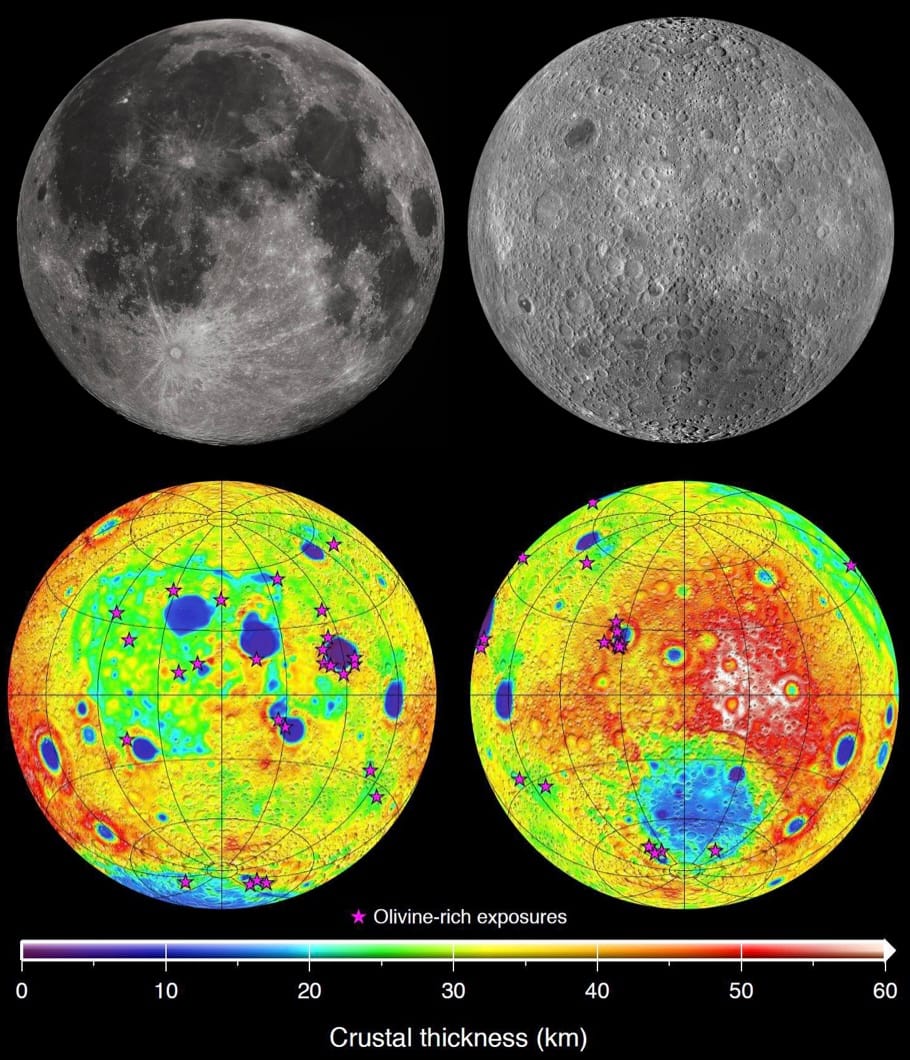
Two new studies analyzing dozens of lunar fragments from samples brought to Earth in June by China’s Chang’e 6 mission have provided the first ever direct age measurements of volcanic material on our Moon’s farside. The studies were funded by the Chinese Academy of Sciences and published last week in Nature and Science. The primarily basaltic fragments studied are all close to 2.83 billion years old, and indeed lack abundant heat-producing elements like potassium and thorium in them as scientists expected, which would’ve otherwise sustained volcanic eruptions for longer. In future studies, researchers will integrate and reconcile these results with two things in particular:
- to what extent does the Moon’s farside having an average 20-kilometer thicker crust than the nearside—albeit not in the Chang’e 6 landing region which is thinner—prevent or encourage volcanic eruptions.
- what future samples of the Moon’s mantle, both on the farside and nearside, inform us about its puzzling nature.
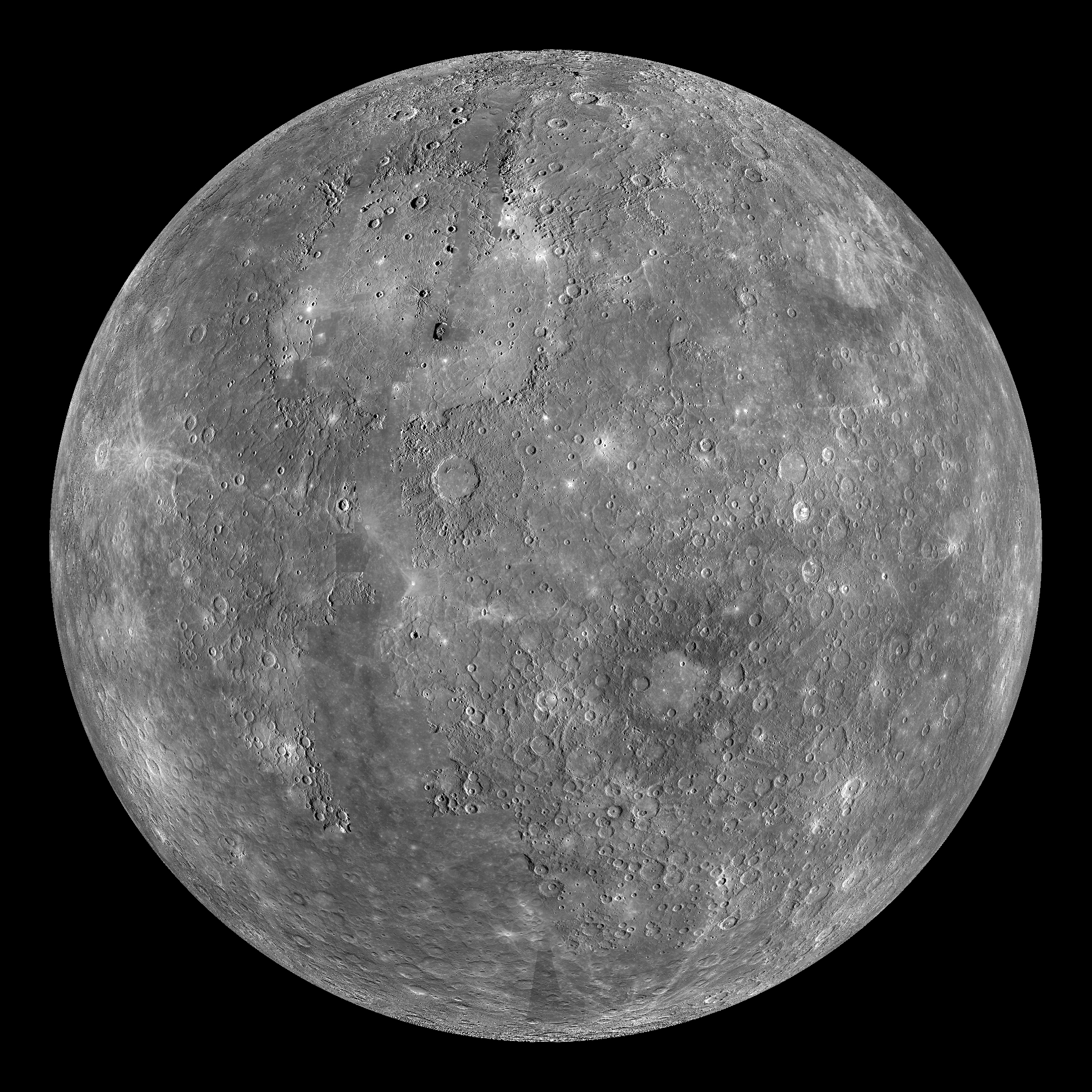
These will help scientists explain why the Moon’s farside was far less volcanically active than the nearside, making it look more like crater-y Mercury than the face we know.
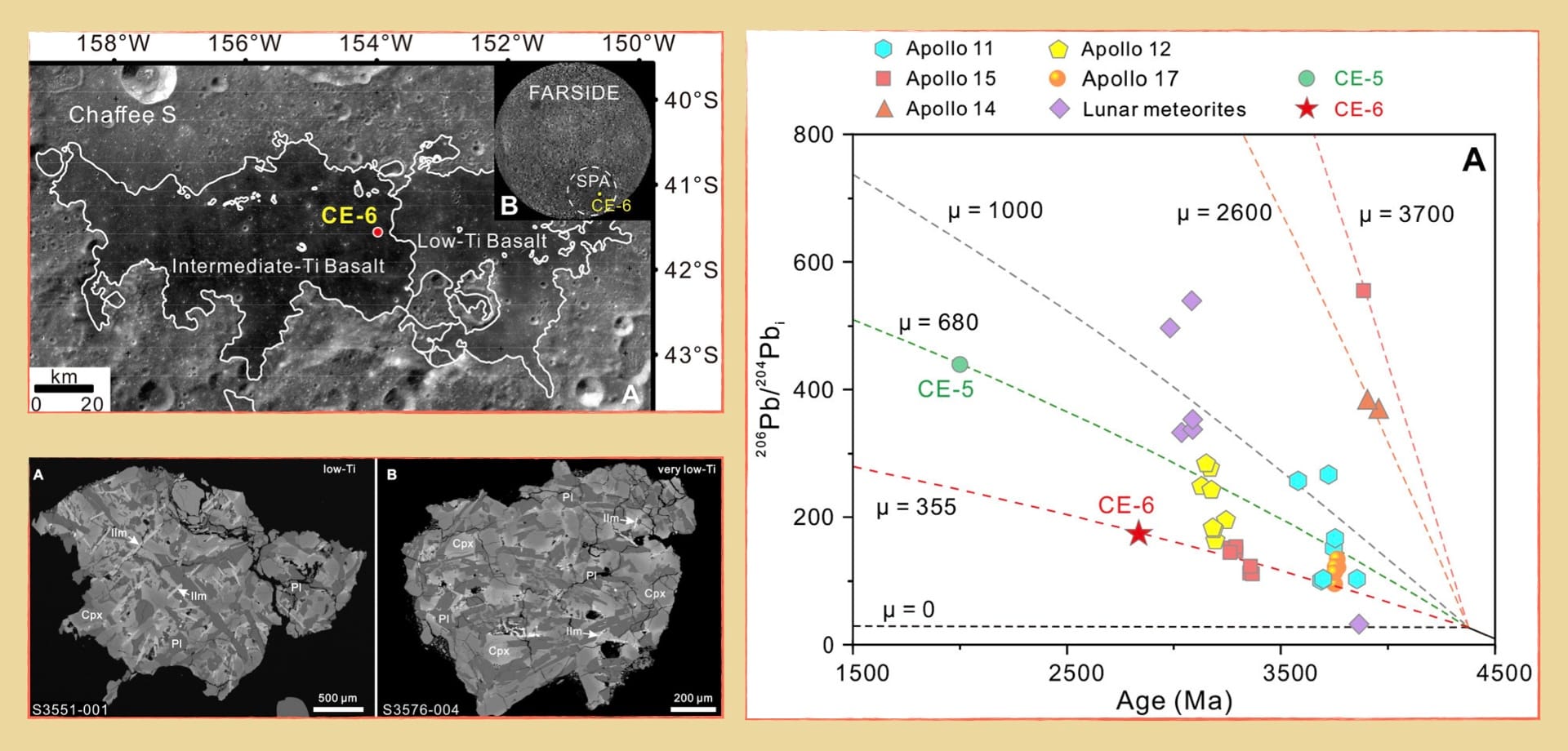
Age dating of Chang’e 6 samples will also help scientists globally validate and calibrate orbital remote sensing observations, determine truer ages of lunar farside features, and refine the rate of asteroid and meteoroid impacts in the inner Solar System over the last three billion years.
If you’re interested to learn how China manages and dispatches its Chang’e lunar samples for national and global scientific studies as well as for international diplomacy, read my explainer from Moon Monday #201:
The next wave of Moon landers
There have been delays in the launch of the next three Moon landing missions.
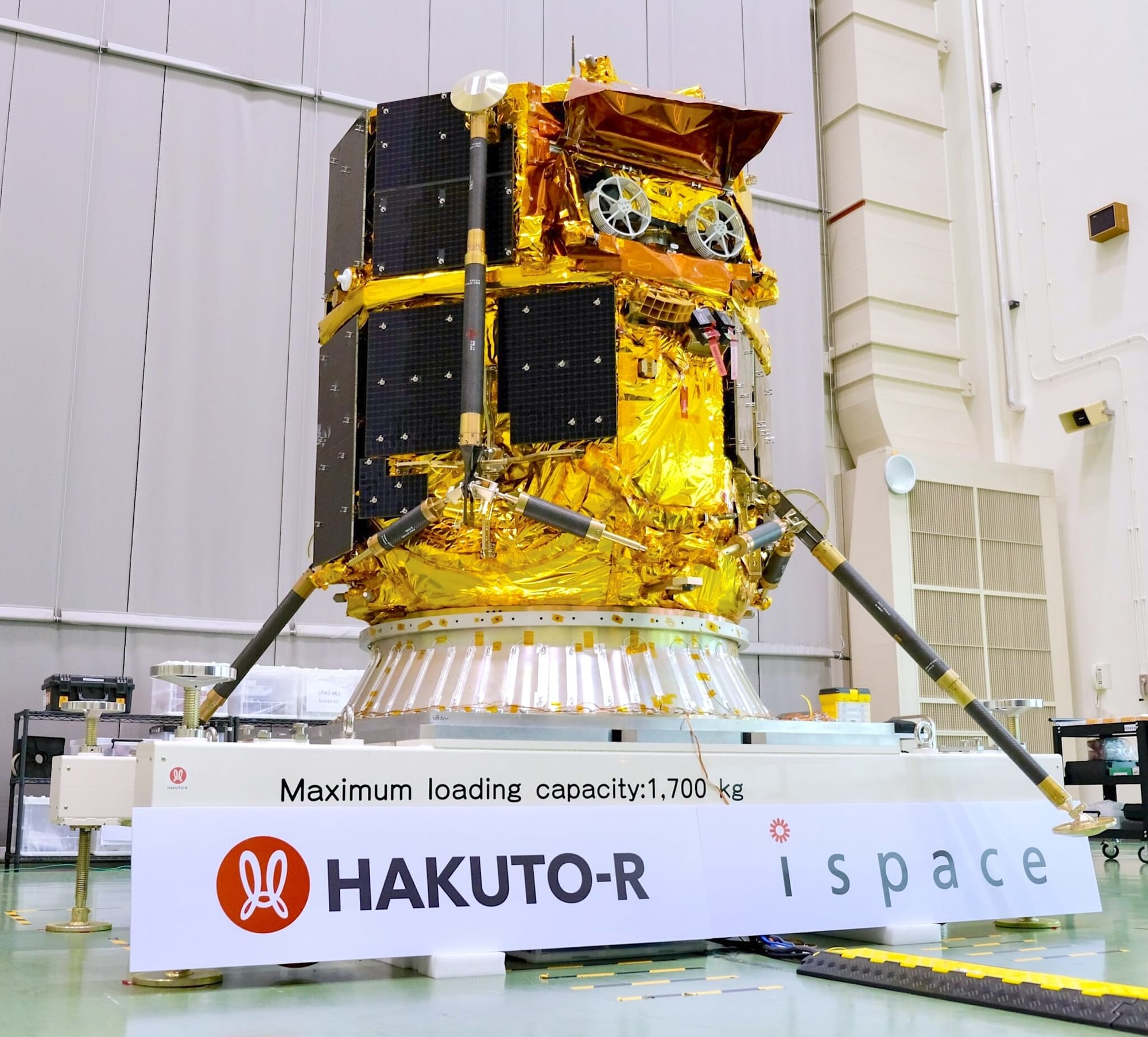
- ispace Japan announced that the company’s second Moon mission (M2) will launch no earlier than January 2025 on a SpaceX Falcon 9 rocket. In September, the company revealed the mission’s landing site to be in the lava plains of Mare Frigoris at 60.5° N, 4.6° W. ispace says the lander is “progressing smoothly” through the standard series of launch and space environmental tests at JAXA’s Tsukuba Space Center. Once complete, the lander will be shipped to Cape Canaveral, Florida for Falcon 9 integration and launch.
- Firefly’s first Moon lander Blue Ghost part of NASA’s CLPS program is done with its launch & space environmental tests at NASA JPL but it looks like the spacecraft may not launch this year either. In a June interview with Payload Space, Firefly’s spacecraft program director Ray Allensworth had said the company was targeting November 16 to launch Blue Ghost. However, Firefly didn’t note any target launch period alongside the lander’s mention in their latest funding announcement, which suggests that perhaps more testing and/or pre-launch preparations may be needed. Blue Ghost aims to descend in the lava plains of Mare Crisium at 18.56°N, 61.81°E, carrying 10 NASA sci-tech payloads primarily to study the lunar environment. The mission will see NASA’s first attempt to get a GPS lock from the Moon.
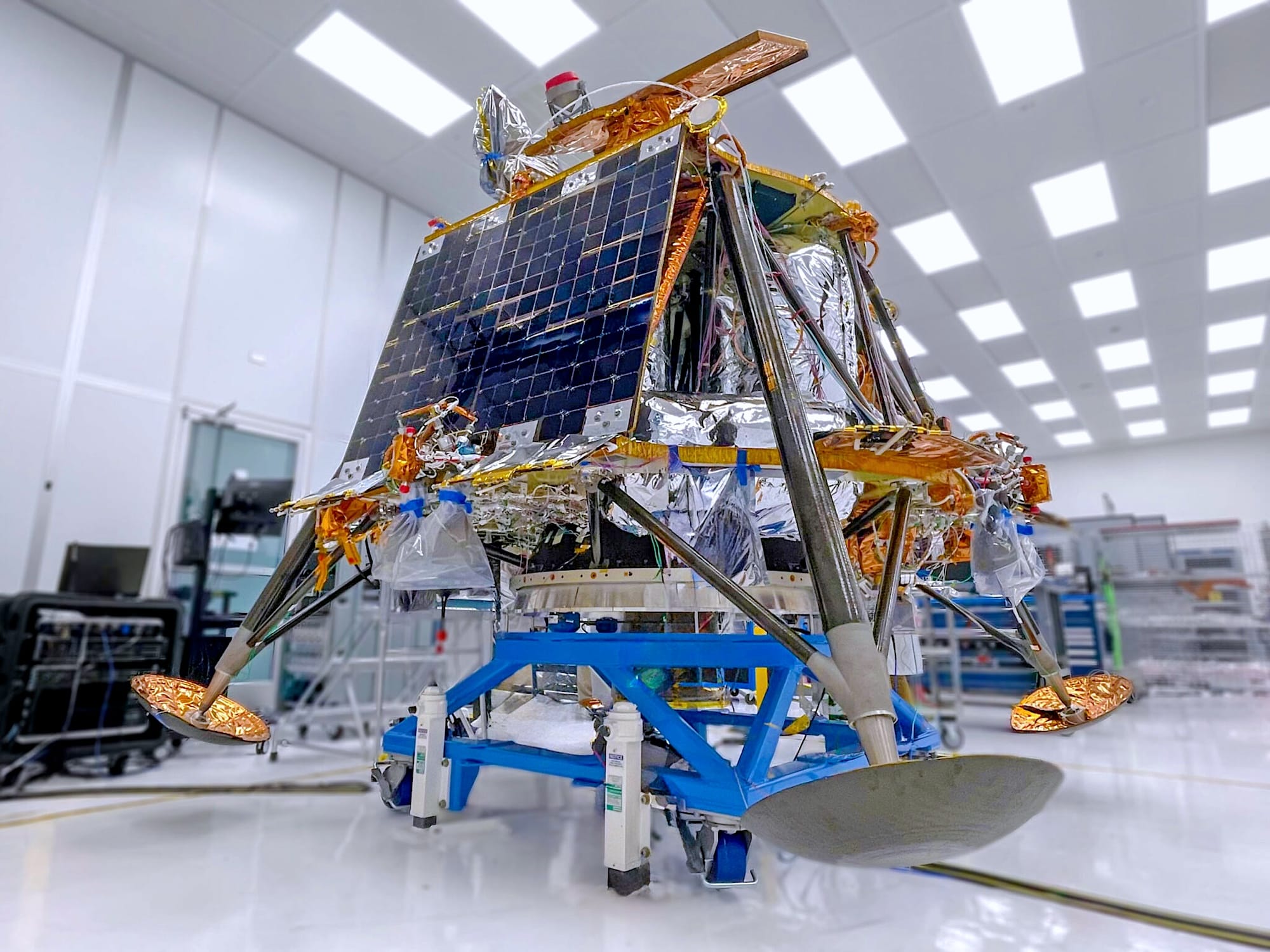
- Jeff Foust reports that the launch of Intuitive Machines’ second and third Moon landing missions part of CLPS have been delayed as well, specifically from Q4 2024 and Q4 2025 to February 2025 and early 2026 respectively.
Opaque orbital operations
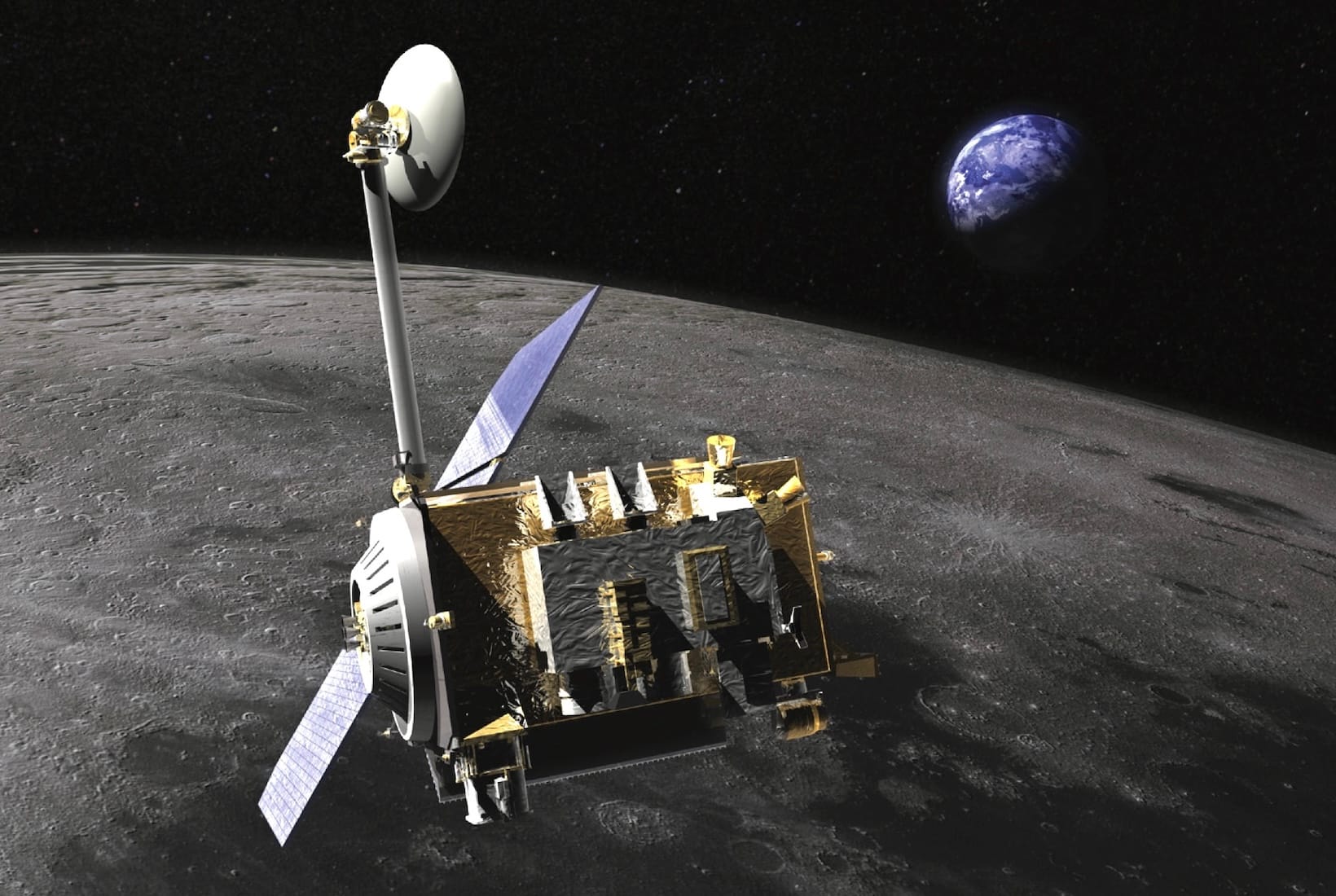
Jeff Foust also noted and confirmed that NASA has transferred operations of the high-resolution camera on its Lunar Reconnaissance Orbiter (LRO) and that of its ultra-sensitive ShadowCam imager on South Korea’s KPLO lunar orbiter over to Intuitive Machines. To that end, Mark Robinson, the principal investigator of both instruments, has accepted a position at Intuitive Machines.
This move of operations of two key NASA instruments at the Moon happened two months ago in September but the agency has not publicly announced the same even now. It also nets Intuitive Machines at least $9 million as part of a multiple milestone-based NASA contract that’s initially cumulatively worth $150 million for launching several satellites to provide navigation and communications services to US Artemis and CLPS hardware at the Moon.
As such, NASA and Intuitive Machines disappointingly continue to be opaque in communicating developments related to the agency’s lunar orbital infrastructure plans, and is a trait the duo seem to have gotten comfortable with after having skewed the success criteria of Intuitive Machines’ first lunar landing mission.
More Moon
- Lunar Engineering 101 is a NASA-backed suite of videos created by lunar scientists and space technology experts to help engineers build for the Moon. Put together based on knowledge gained and lessons learned from past missions, it presents “key characteristics of lunar surface environments—including reduced gravity, radiation, dust, regolith, moonquakes, and others—along with their respective challenges and hardware design considerations to ensure system function and reliability.”
- On November 13, Denmark became the 48th country and 21st European nation to sign the US-led Artemis Accords for cooperative lunar exploration.
Many thanks to The Orbital Index, Gurbir Singh and Frank Genin for sponsoring this week’s Moon Monday! If you too appreciate my efforts to publish this curated community resource for free, support my independent writing.