China conducts a multi-element test unlike any other nation in firm march to Luna | Moon Monday #262
Plus NASA Artemis updates.
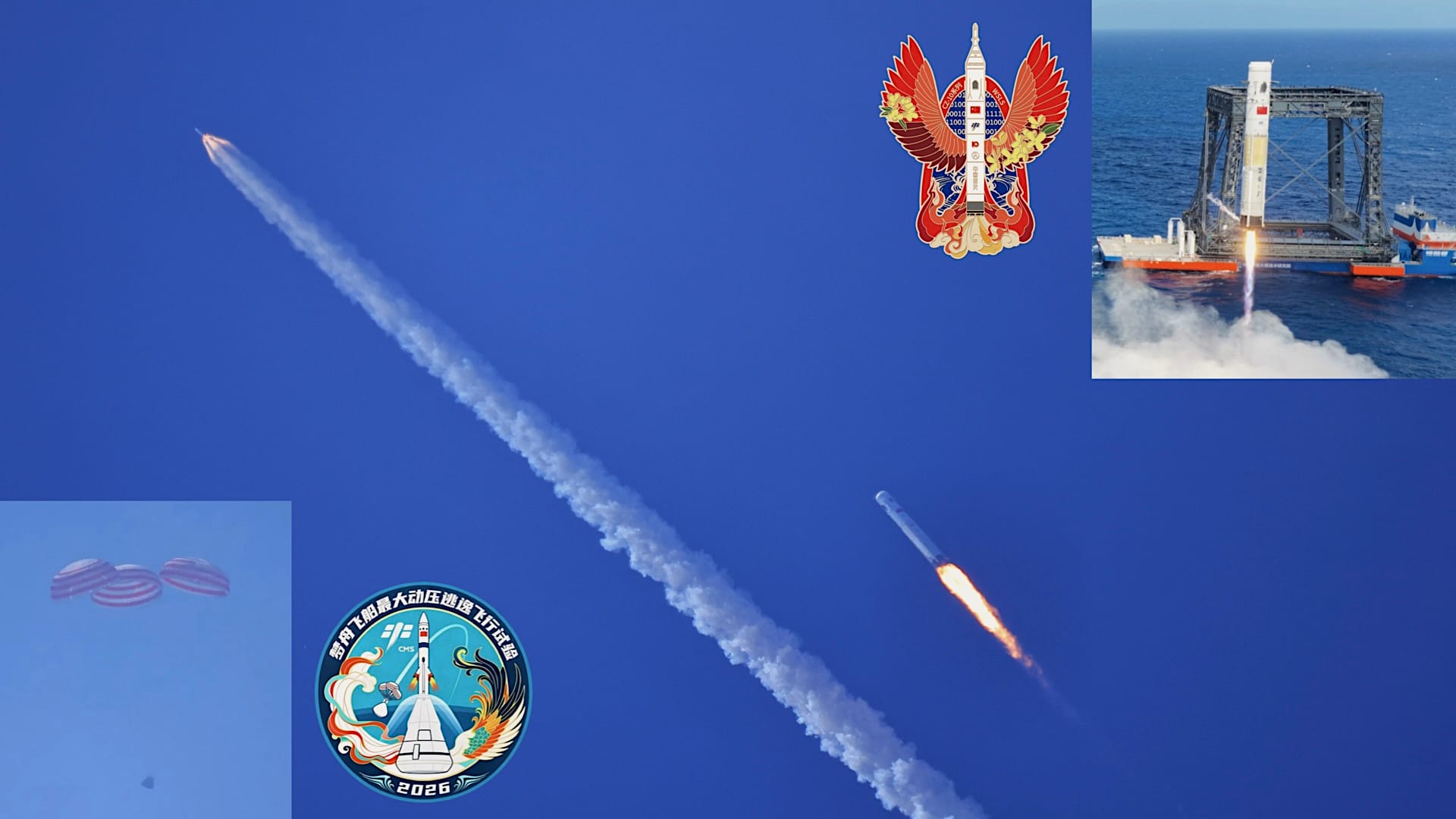
On February 11, China successfully conducted an emergency escape test of its next-generation Mengzhou capsule, variants of which will fly astronauts to Earth orbit and the Moon. The uncrewed capsule flew atop a Long March 10A booster, and escaped the rocket while the combined vehicle was experiencing maximum aerodynamic pressure. This phase is the most literally stressful one for a vehicle ascending to space, and so Mengzhou demonstrating a safe escape when it did provides confidence that the craft can keep astronauts safe during emergencies. Post-escape, the capsule guided itself to a safe, parachuted splashdown in the South China sea. The Long March 10A booster, itself on its first test flight as well, rose just past the Karman line and peaked at 105 kilometers. It then successfully performed a guided oceanic splashdown as well, marking the first booster stage recovery for China.
This test follows Mengzhou’s previous launchpad escape test last year, also successful. Notably, Chinese engineers have designed the emergency escape to be handled by the Mengzhou craft itself instead of the rocket. This makes the solution somewhat launch vehicle agnostic, giving China flexibility to scale its crewed Moon mission plans in the run up to the China-led ILRS Moonbase ambitions. It’s to this end that the China Manned Space Agency (CMSA) previously noted these tests as laying “an important technical foundation for the subsequent manned lunar exploration missions.”
The latest test demonstrated the working of yet another element of its crewed lunar program. The test was a first launch from the brand new 301 launch complex in Wenchang which China will continue developing to use for crewed Moon missions. Jack Congram previously noted the following key point related to the Wenchang launch site in his coverage of last year’s launchpad escape test:
A few days ahead of this test, China Central Television released a report regarding launch escape systems for crewed spacecraft, which briefly touched on Mengzhou’s launch system. That report notes that due to the density of launch infrastructure at Wenchang, Mengzhou’s escape system boasts a higher thrust-to-weight ratio, compared to Shenzhou, to pull the spacecraft out toward the ocean quickly. Additionally, the report stated that should a launch abort be triggered late into flight, Mengzhou’s propulsion systems on the service module can propel the spacecraft a safe distance away or into orbit.
In a single test, China has multi-laterally advanced in preparing many of its next-generation building blocks to fly astronauts to Earth orbit later this year, a key step before scaling the system to the Moon. No other country preparing for human spaceflight has tested all such elements at once.
Read for broader context 🌗
Artemis updates
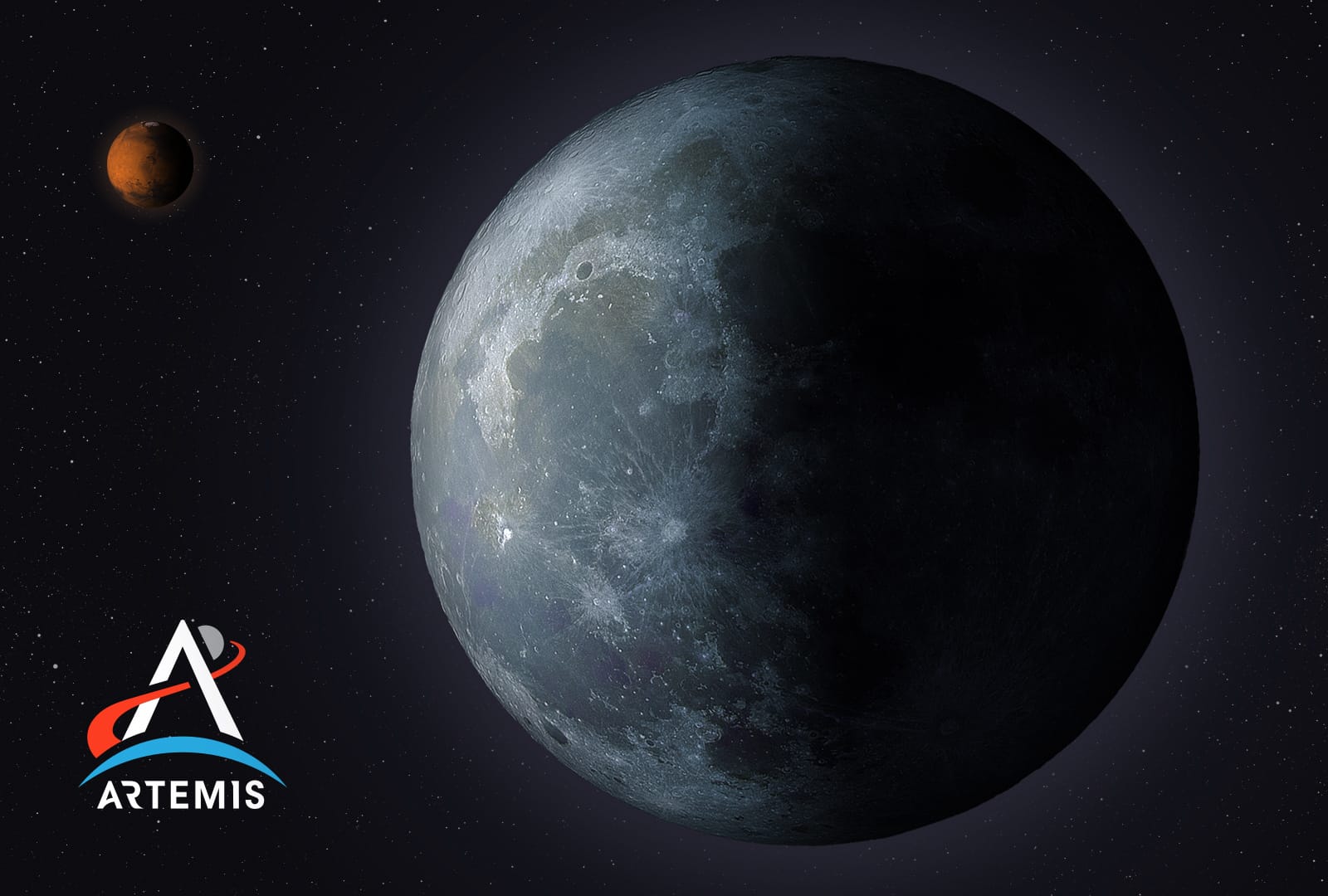
NASA teams tried partially fueling the SLS rocket core stage’s liquid hydrogen tank to assess the newly replaced seals, hoping to counter leaks observed during the full-fueling test on February 2 which didn’t go as planned and therefore delayed the launch of the Artemis II mission to fly four astronauts around the Moon and back to no earlier than March. But during the latest partial fueling test, teams noticed a reduced propellent flow, a new problem now being inspected. In the meanwhile, Stephen Clark has reported how NASA relaxed its fueling safety limit vis-à-vis hydrogen leaks by four times in the period between Artemis I and II:
During the first Wet Dress Rehearsal earlier this month, hydrogen gas concentrations in the area around the fueling connection spiked higher than 16 percent, NASA’s safety limit. This spike was higher than any of the leak rates observed during the Artemis I launch campaign in 2022. Since then, NASA reassessed their safety limit and raised it from 4 percent—a conservative rule NASA held over from the Space Shuttle program—to 16 percent.
- Seeing China’s steady strides towards landing humans on the Moon by 2030, the US and NASA decided to focus on accelerating their Artemis efforts and reopened the Artemis III landing contract last year due to SpaceX Starship delays. Jeff Bezos-owned Blue Origin bid for it, and also decided to pause its other internal projects to focus the company’s resources and efforts on Luna. Ergo, SpaceX and founder Elon Musk have now prioritized the Moon.
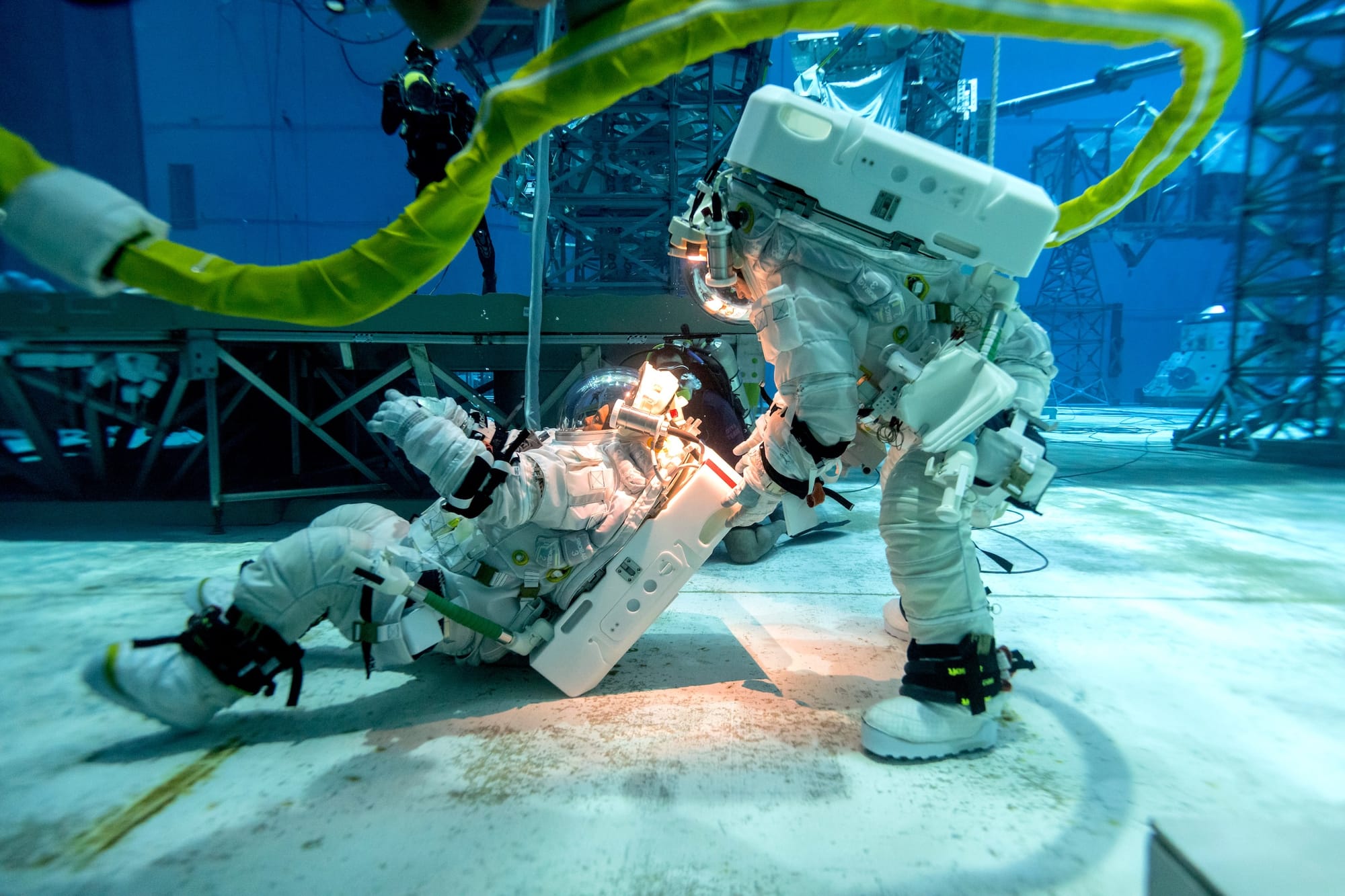
- NASA provided an update on the development of Artemis III lunar spacesuits, contracted to Axiom Space.
NASA and Axiom Space have conducted over 850 hours of pressurized testing with a person inside the AxEMU. Leading up to the review, teams conducted underwater and simulated lunar gravity tests of the AxEMU in facilities at NASA Johnson that demonstrate how the spacesuit’s capabilities will offer increased mobility as astronauts explore the Moon’s surface.
Agency and Axiom Space teams recently finished the first series of test runs in the Neutral Buoyancy Laboratory at NASA Johnson. While in the 40-foot-deep [12-meter] pool, they weighted the AxEMU to match lunar gravity and assessed functionality and ease of movement.
- NASA will now conduct a critical design review to evaluate and confirm the development status of the suits against Axiom’s own assessment. Stephen Clark recently reported on the many operational and safety challenges in the suit’s development. After SpaceX Lunar Starship, the Axiom-provided lunar suits remain the second biggest pacing item for flying and landing Artemis III astronauts on the Moon.
More Moon
- Sierra Space’s carbothermal reactor, funded and aided by NASA, successfully extracted oxygen from simulated lunar soil on Earth using concentrated solar energy. Being built at a gradual pace as part of NASA’s Game Changing Development program, the agency ultimately intends to demonstrate the system on the Moon on a future CLPS mission. Such future systems on the Moon could provide breathable oxygen for astronauts and fuel for spacecraft without having to rely on only the supplies lugged from Earth’s gruesome gravity well. Here’s a note on the collaborative nature of the test setup from the NASA release:
The integrated prototype brought together a carbothermal oxygen production reactor developed by Sierra Space, a solar concentrator designed by NASA’s Glenn Research Center in Cleveland, precision mirrors produced by Composite Mirror Applications, and avionics, software, and gas analysis systems from NASA’s Kennedy Space Center in Florida.
- Relatedly, in the FY2026 Presidential Budget Request, NASA did not even request funds for its LIFT-1 mission to extract oxygen from lunar soil. Previously, NASA had said it would fund $200-250 million in total for the mission but later pivoted to stating in the budget request that the agency will “prioritize ground-based high-fidelity systems testing” instead.
Many thanks to Catalyx Space, Henry Throop, and Deepika Jeyakodi (who kindly wishes me to link to the cause of PARI instead) for sponsoring this week’s Moon Monday. If you too appreciate my efforts to bring you this curated community resource on global lunar exploration for free, and without ads, kindly support my independent writing: