Moon Monday #254: The one following last week’s embarrassing typo
What could’ve been the real headline instead: Lunar mission updates and India’s ultimate Moonshot.
Last week’s now-corrected headline & intro of a peak-peek at lunar samples had a peak typo (pun intended). I wish I could conveniently blame it on the very productive yet equally tiring Hong Kong trip to cover the international lunar sample science symposium coupled with the excitement of having seen fresh Moon samples. Or perhaps put it on Hong Kong itself because you can’t peek at its towering structures—they peak at you. But the reality is that it was just me being sloppy while rewriting the headline to use the word peak as a quality indicator of new lunar science results. Though not factually fatal, it was still an ignorant mistake. Being an independent writer is fun; you can’t hide behind a team or your editor. They are all you.
Mission updates
- Since US President Donald Trump renominated Jared Isaacman last month for the NASA Administrator position, after abruptly withdrawing his first nomination earlier this year just as the US Congress was about to confirm said position, Isaacman went through his second confirmation hearing last week in the US Senate on a similar vein to his first one. Marcia Smith reports the full US Senate vote can be expected before December 19 to confirm Isaacman’s new job as the head of the premier US space agency. In the meanwhile, the US Congress continued its incessant red hearings about how the US has to beat China in landing humans the Moon, displaying a clear lack of any other core motivation to explore our Moon for itself or “for humanity” as is often claimed.
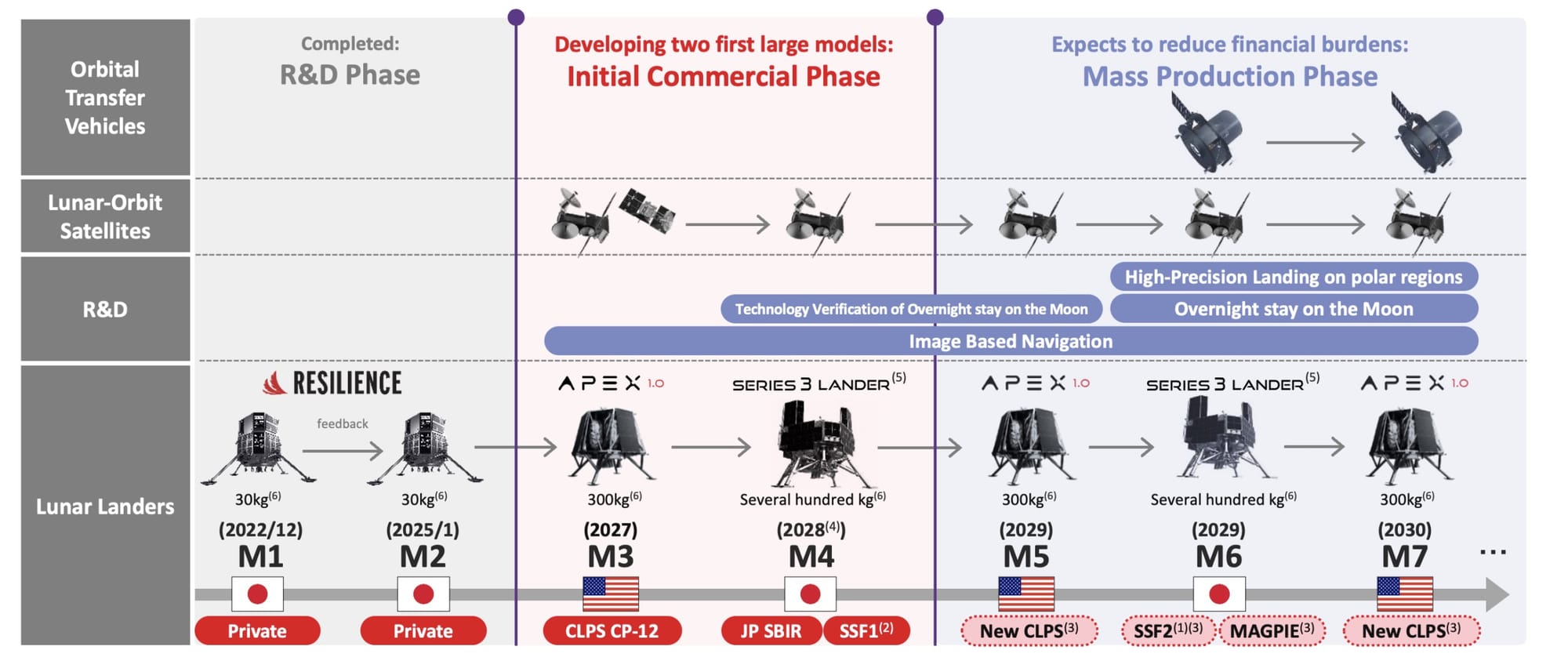
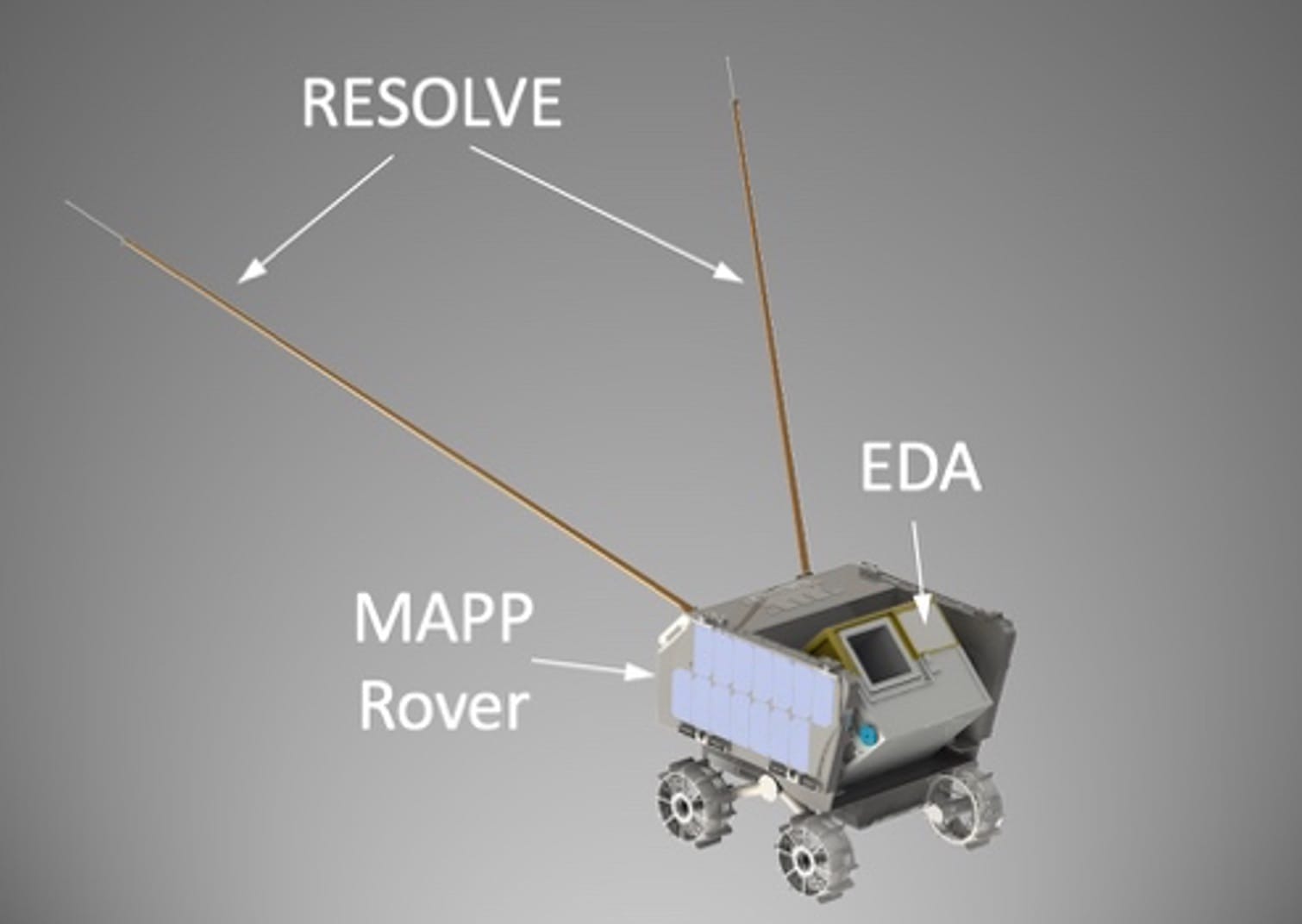
- ispace Japan has shared a tentative schedule for its next set of Moon missions, including confirmed and anticipated ones through its US subsidiary which can carry NASA CLPS payloads. The next launch to watch out for is ispace US’ first CLPS mission through US-based Draper Laboratory. It’s targeting landing on the Moon’s farside in 2027, carrying NASA payloads onboard as well as another rover from ispace Europe. ispace US will also provide ground communications and relay services for the mission. The ones after that are as follows:
- NASA announced that on the future crewed Artemis IV Moon landing mission, the astronauts will deploy two competitively selected scientific payloads costing $25 million each. These are:
- DUSTER, comprising a lunar dust analyzer and plasma monitoring instrument duo which will be mounted on a rover made by Lunar Outpost
- SPSS, a seismic station succeeding and exceeding the one on Artemis III to better understand Moonquakes and what they teach us about the lunar interior and safety of future astronauts.
More Moon
- Astrobotic plans to integrate special imaging sensors across its future landers as well as other hardware on the Moon to track spacecraft in low lunar orbit for the US government.
- NASA awarded University of Alabama a potential $37 million contract to develop freezers for bringing Artemis lunar polar samples to Earth with a minimum high fidelity.
- An interesting article by the Open Lunar Foundation (a Moon Monday sponsor): An affordable approach to lunar timekeeping in an accelerating industry
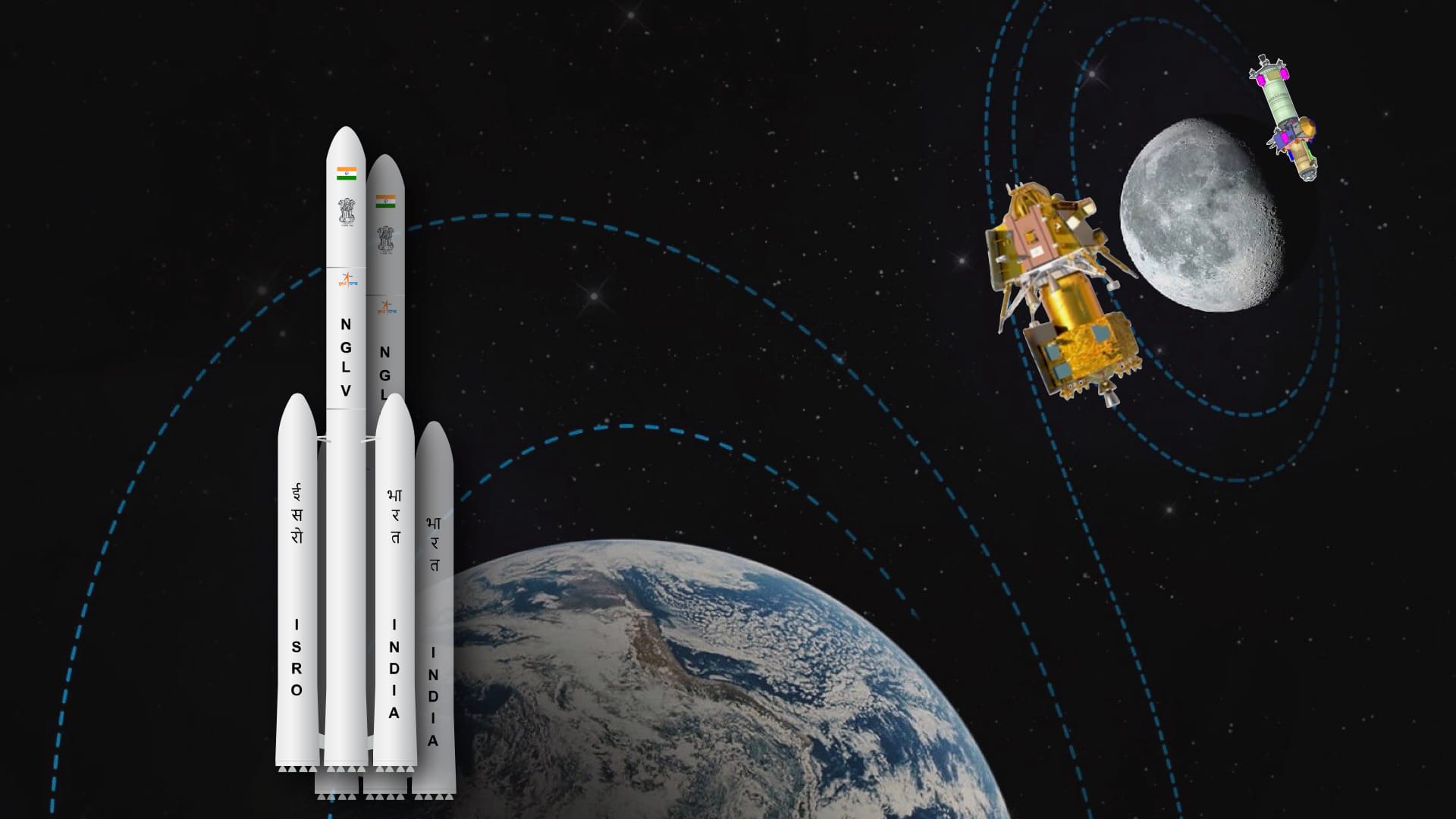
- While this article reviewing India’s space rockets is written more in the Indian space context, the assessment and arguments have direct implications for India’s planning of its increasingly complex series of Chandrayaan missions leading up to the goal of sending humans to the Moon circa 2040, which is discussed in the final sections along with ISRO’s current architecture.
Make no mistake, it will be the pinnacle of India’s space program if it launches humans to the Moon circa 2040. Imagine that future for a moment. The only country in the world after the US and China to achieve the immense feat, and one bagged within 100 years of independence from colonial claws. Had ISRO’s founder Vikram Sarabhai been alive, he’d probably tear up at the sight of this feat. He’d also know that a scalable heavy-lift rocket investment was indispensable so that India could orchestrate the increasingly complex sprawls of its space program.
Many thanks to Astrolab and Gurbir Singh for sponsoring this week’s Moon Monday! If you too appreciate my efforts to bring you this curated community resource on global lunar exploration for free, and without ads, kindly support my independent writing: